
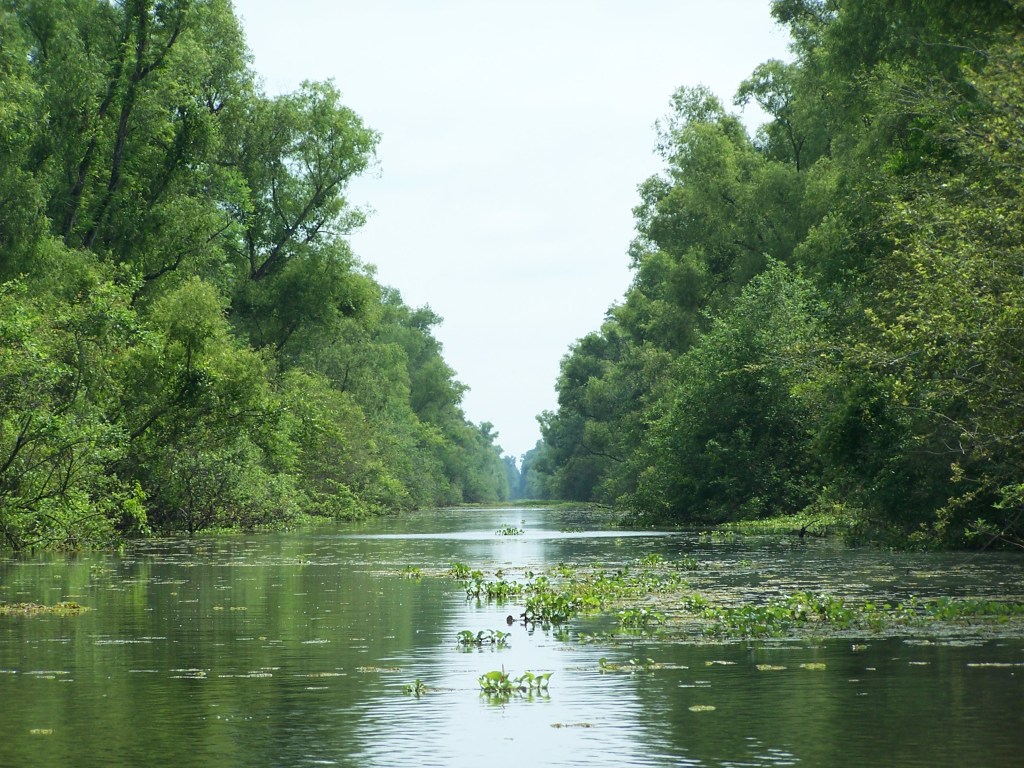
We left behind the Gulf Shores’ sandy beaches and breezes and headed into the swamps and bayous of the South. Our first stop was Gautier, MS located at the eastern edge of the largest remaining wet pine forest tract that extends from western Florida to eastern Texas. Swamps, marshlands, bayous and rivers are never far away from the highway exits. Bug spray and mosquito repellent proving grounds!
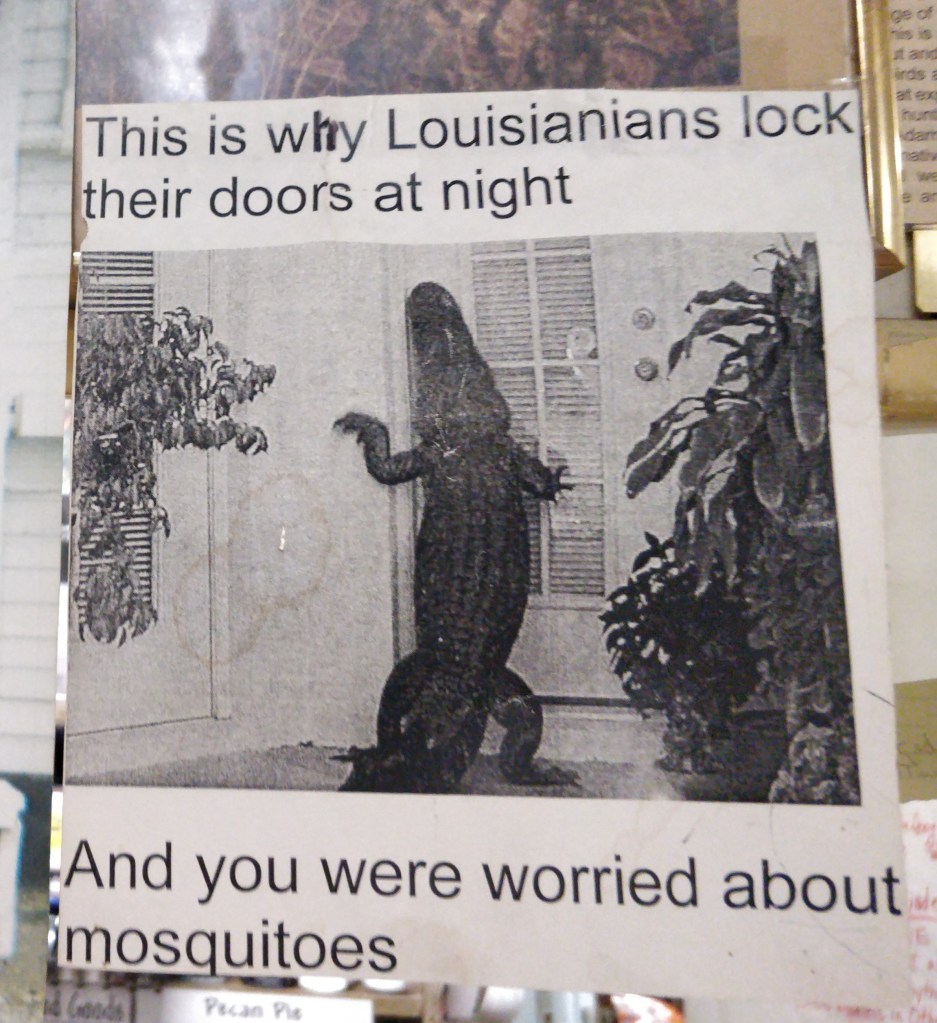
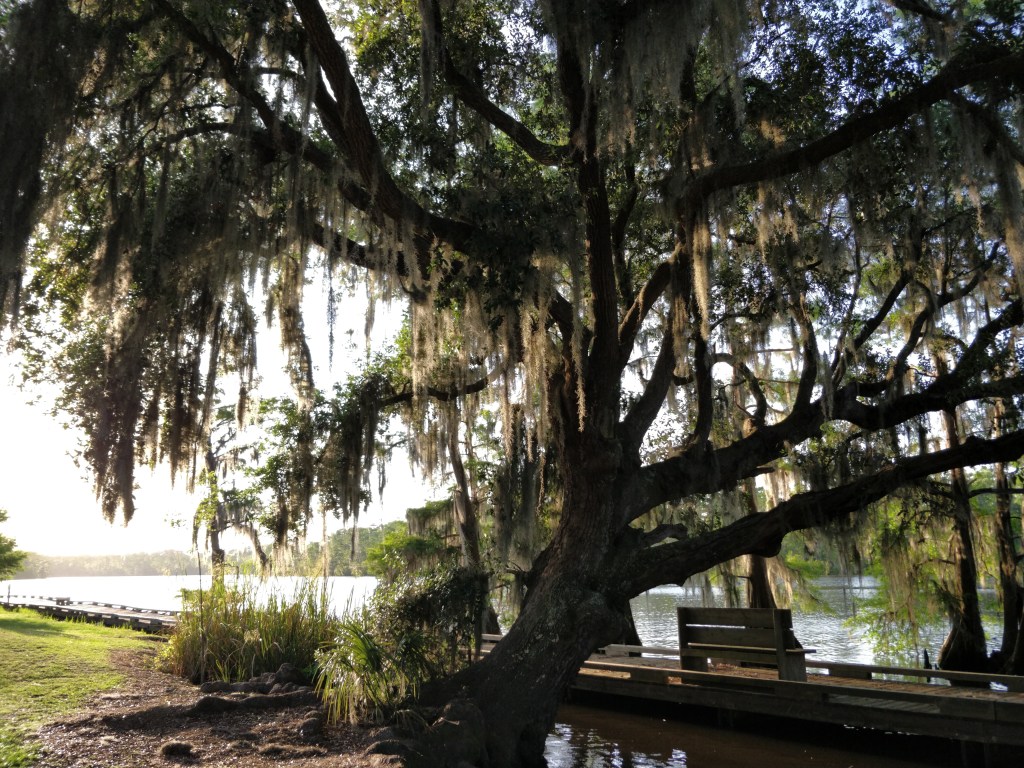
There is an intensity to this region felt in the lushness and beauty as well as the temperature and humidity. Physical movement and breathing meet with an invisible resistance. Even the massive trees draped in Spanish Moss and submerged in water seem weighed down in the still air. Beauty and the beast.
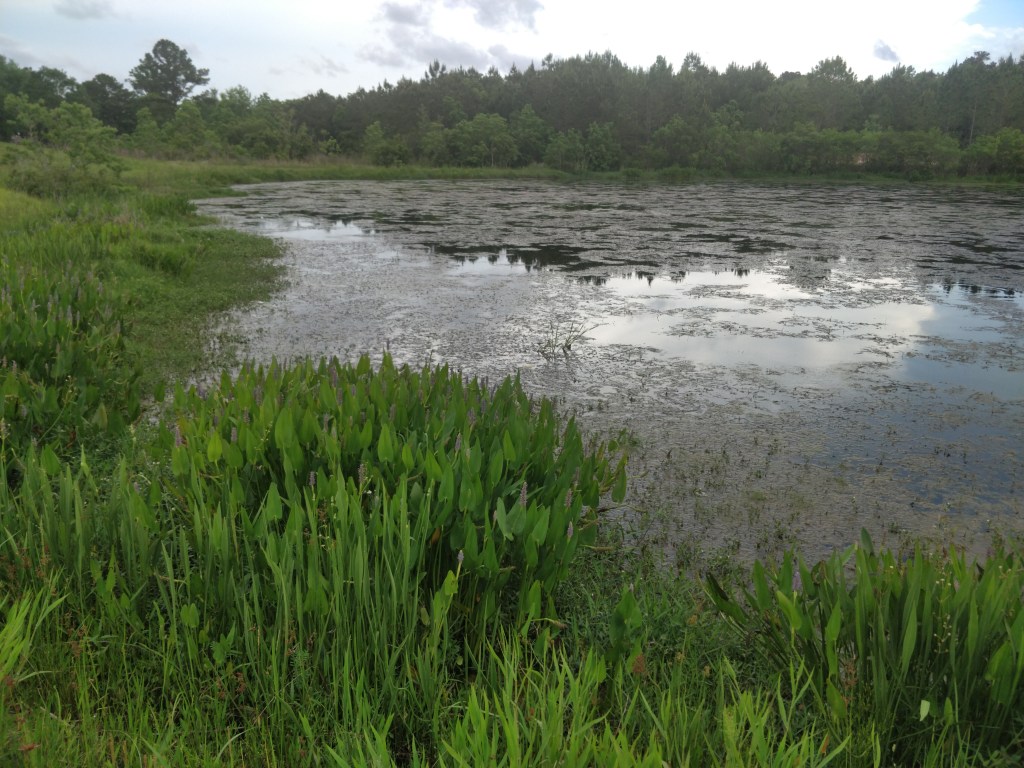
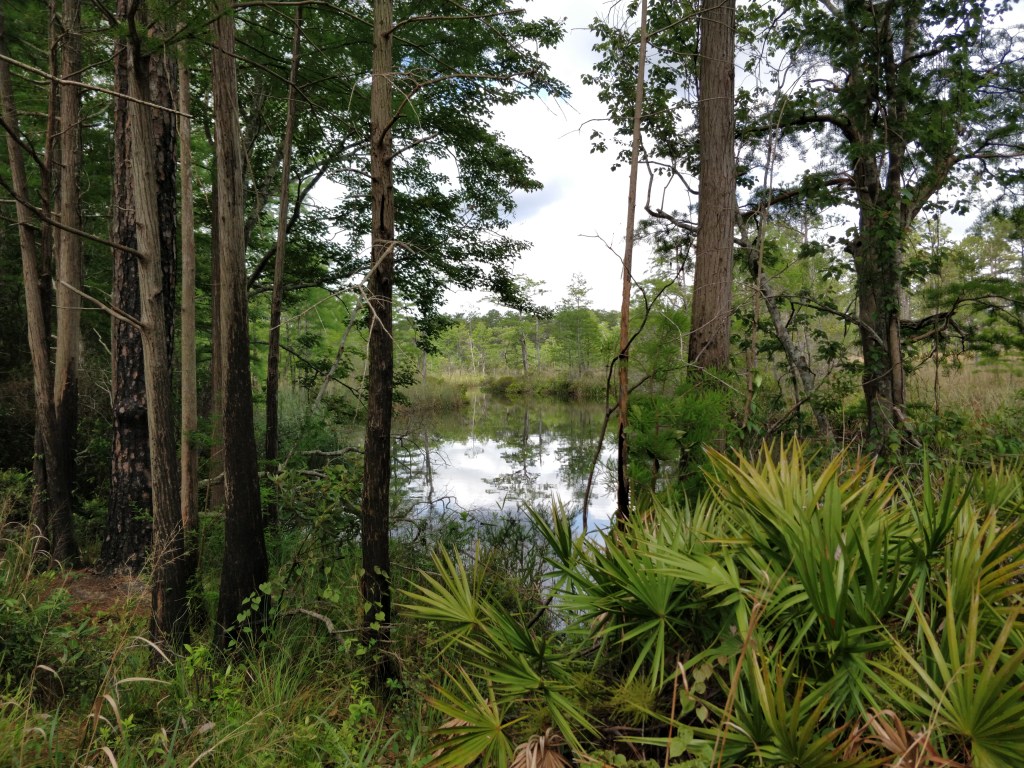

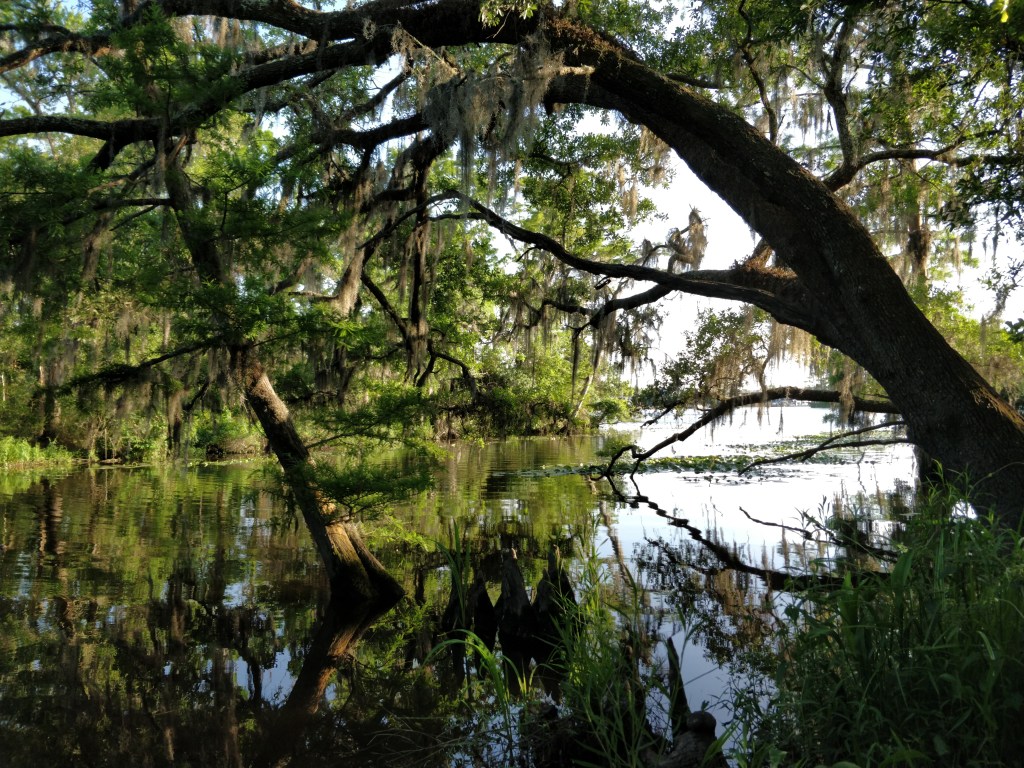
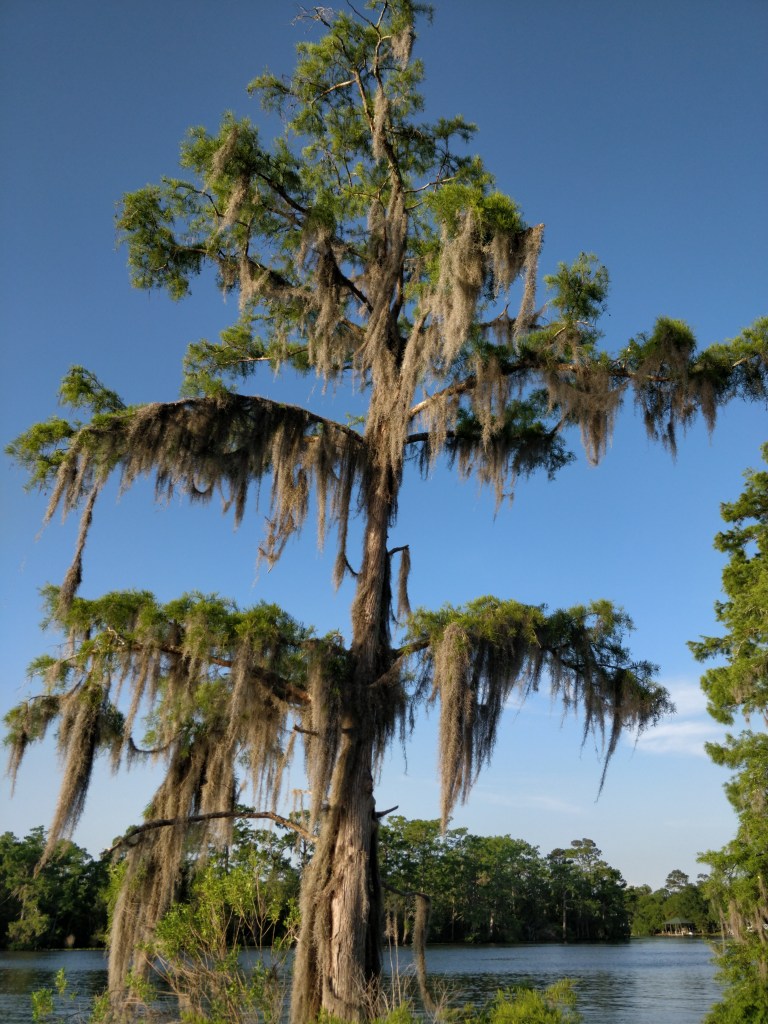
From wildlife, birds, animal tracks, and insects to the hidden culture of the Acadian people to the traditional foods and spices, this unfamiliar swamp forest region felt exotic and very different from the wetlands of Ohio. We met interesting folks in this river-swamp region. Like our swamp tour guide who was a 6th generation Acadian; the living history museum docent of Cajun descent making a rosary for his fiancee out of beads made from native plants; the local market/restaurant owner who spoke french to her cooks and local customers; the canoe rental staff who looked bored when we reported our exciting alligator encounter; a former Chief of the Chocktaw tribe; and the mythical Evangeline.
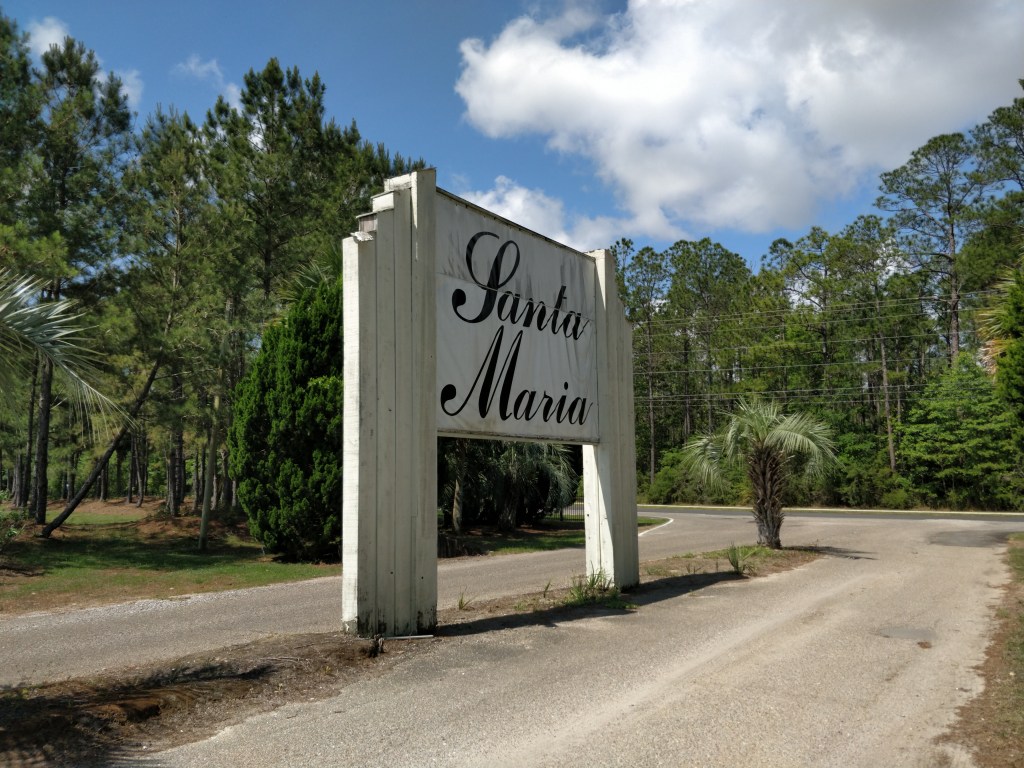
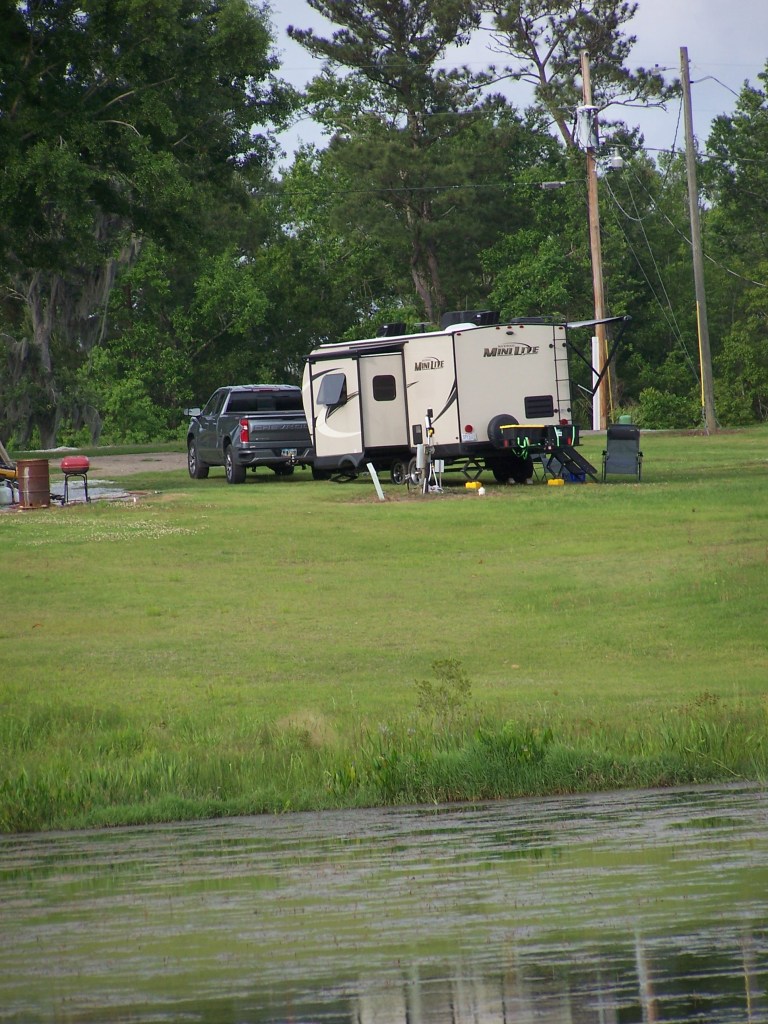
Our first stop in this region was at Santa Maria RV Park in Gautier, MS.
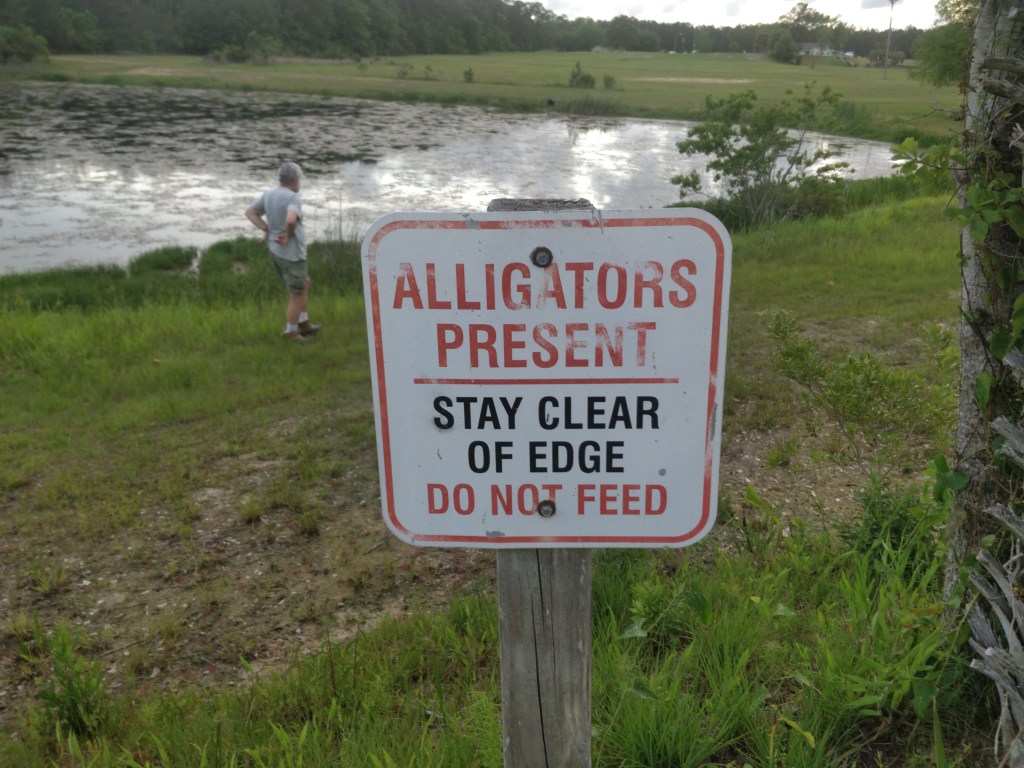
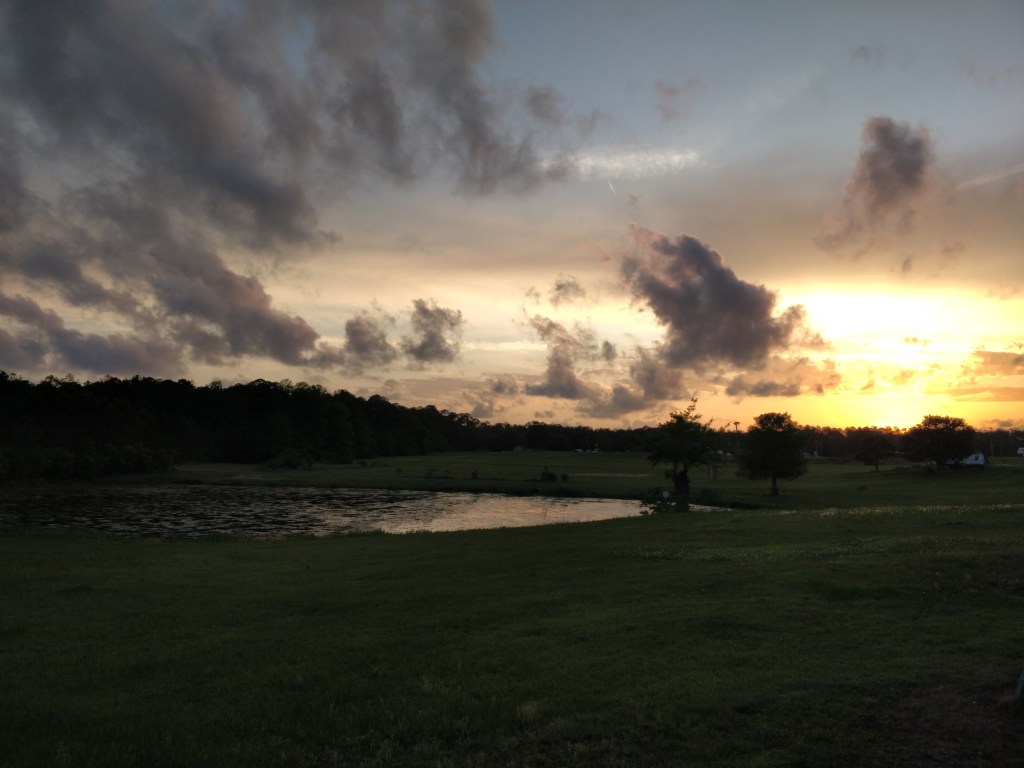
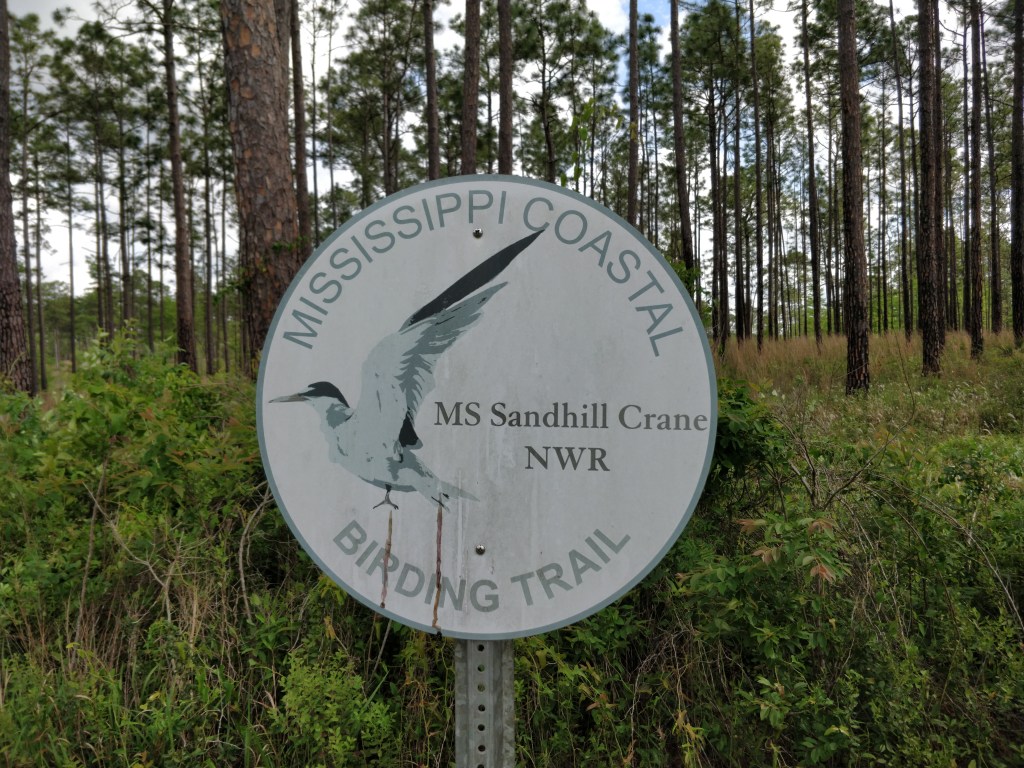
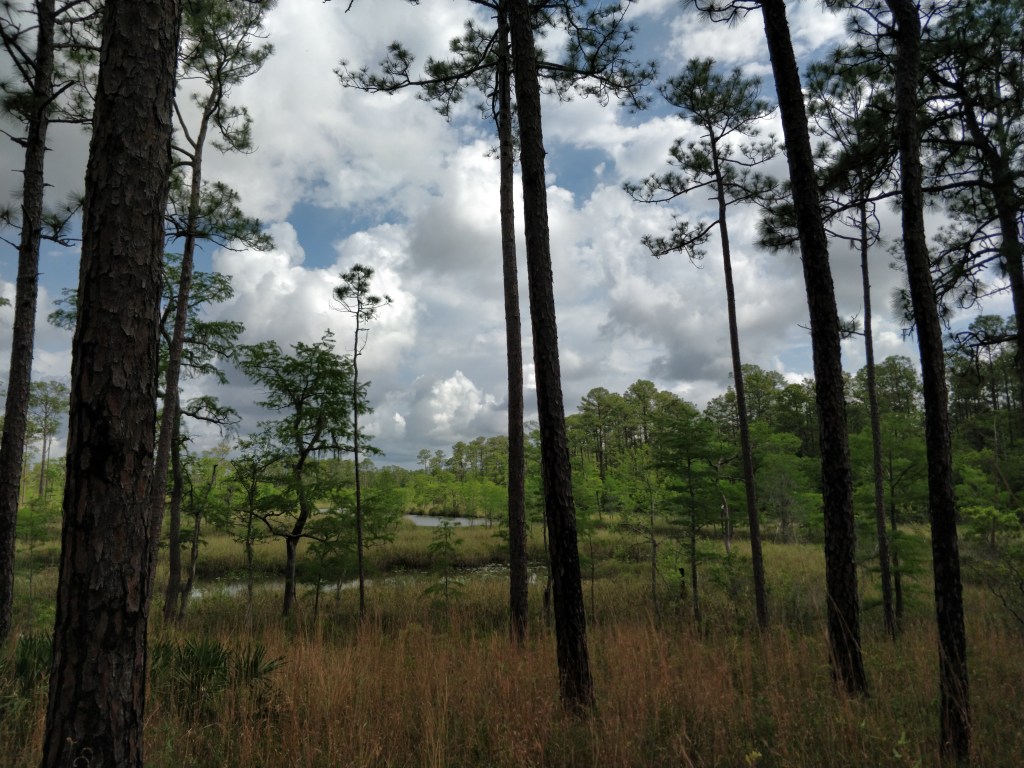
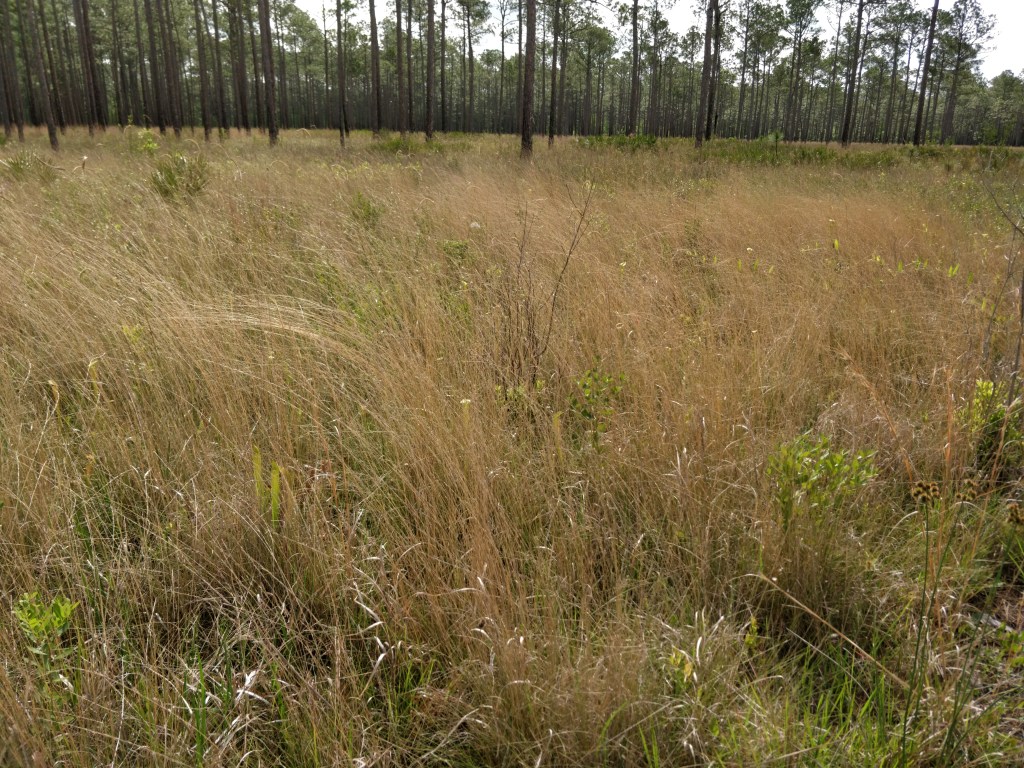
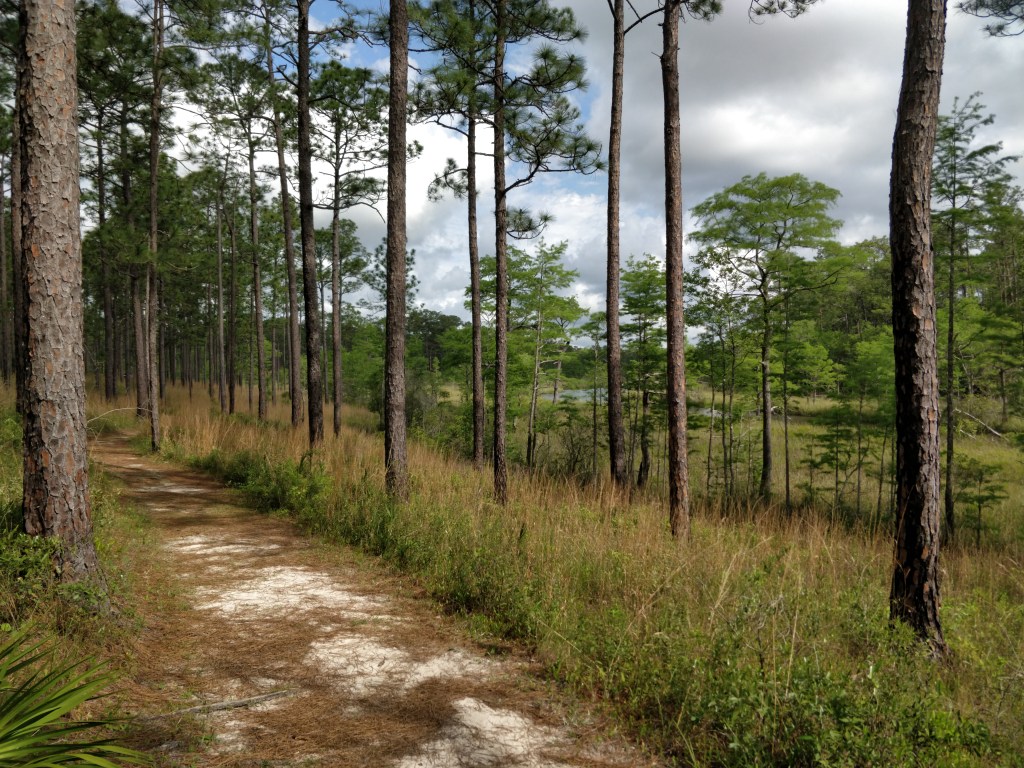
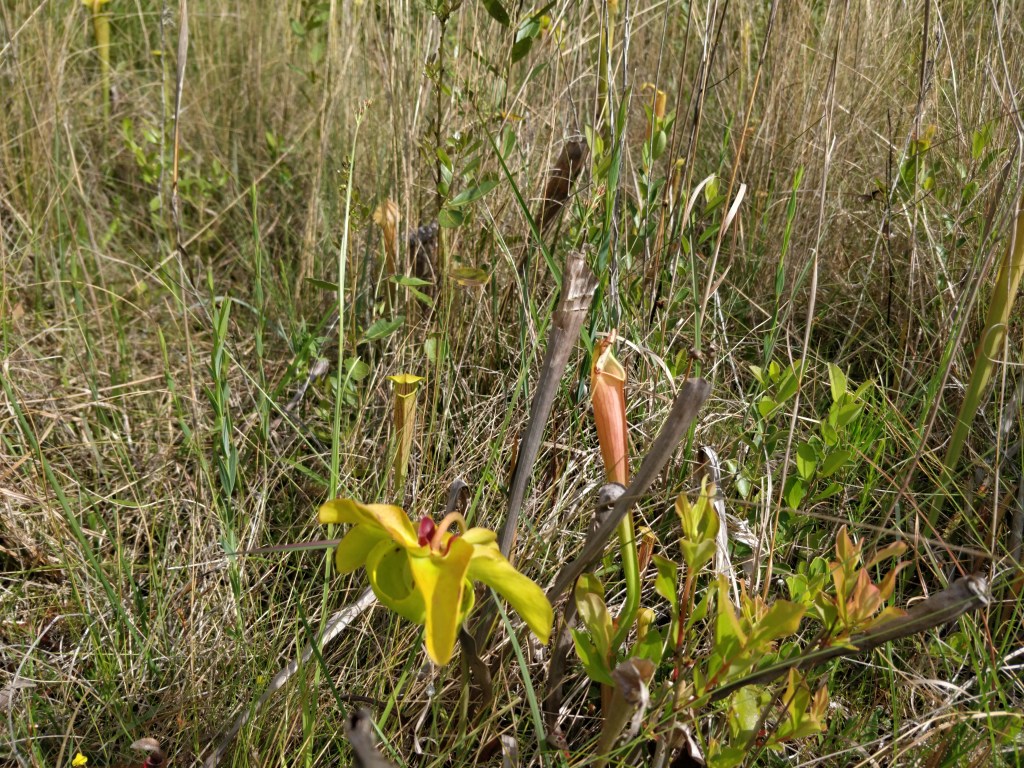
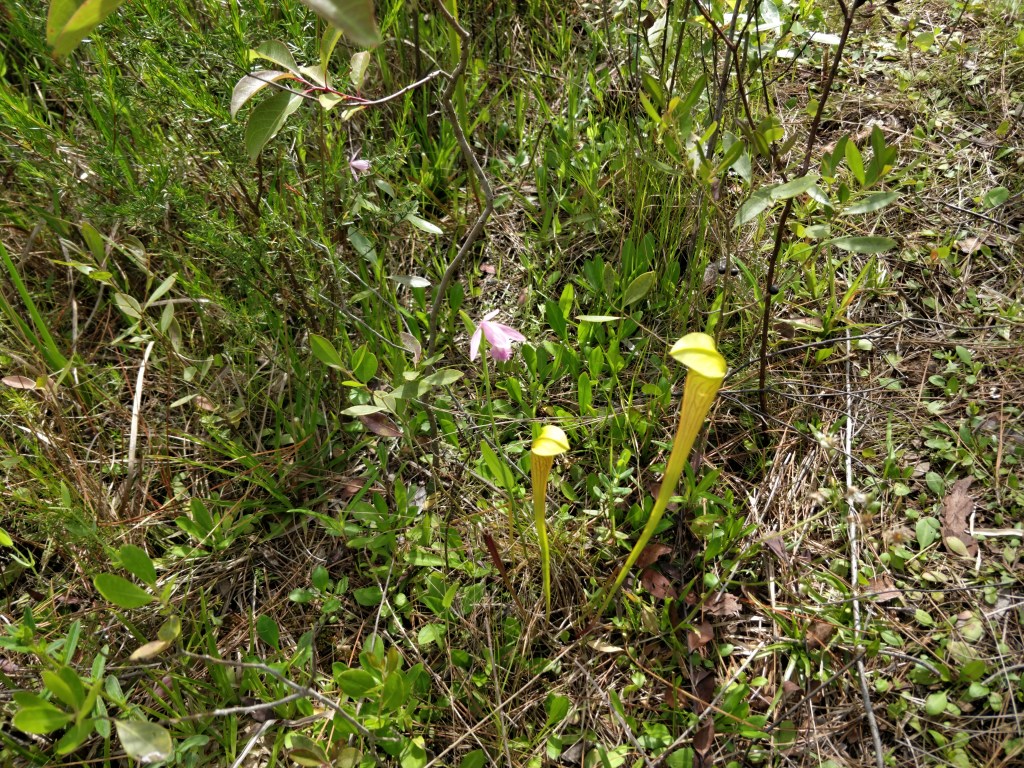
We visited the Sandhill Crane National Wildlife Refuge to explore a wet pine savannah and Bayou Castille…
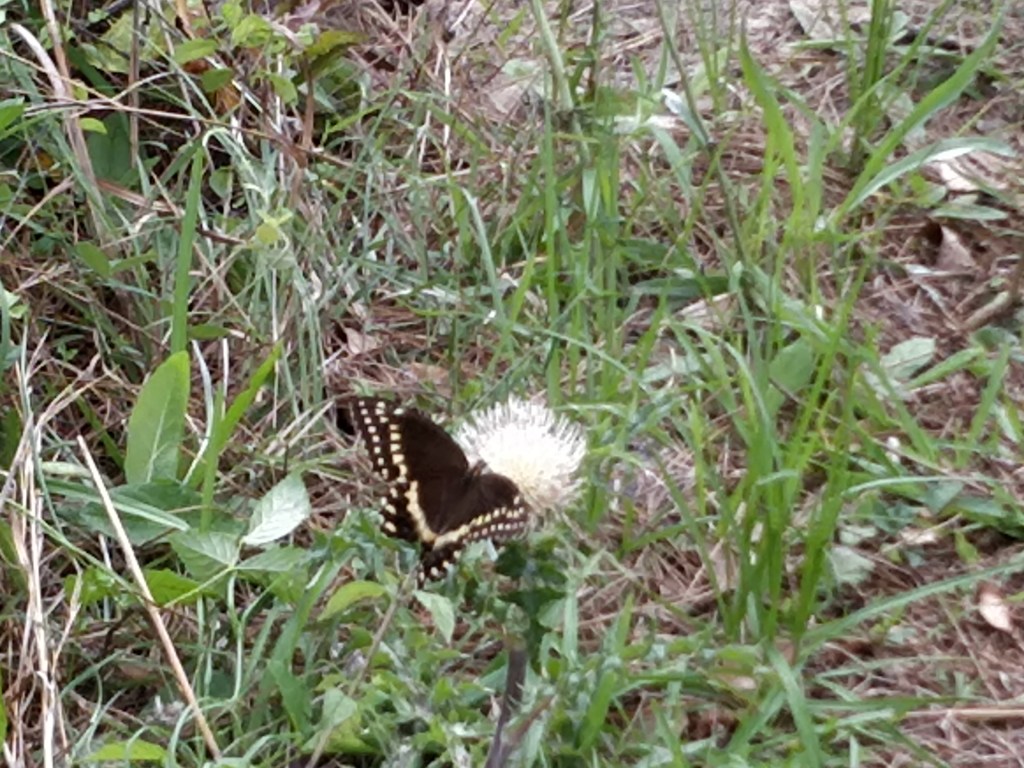
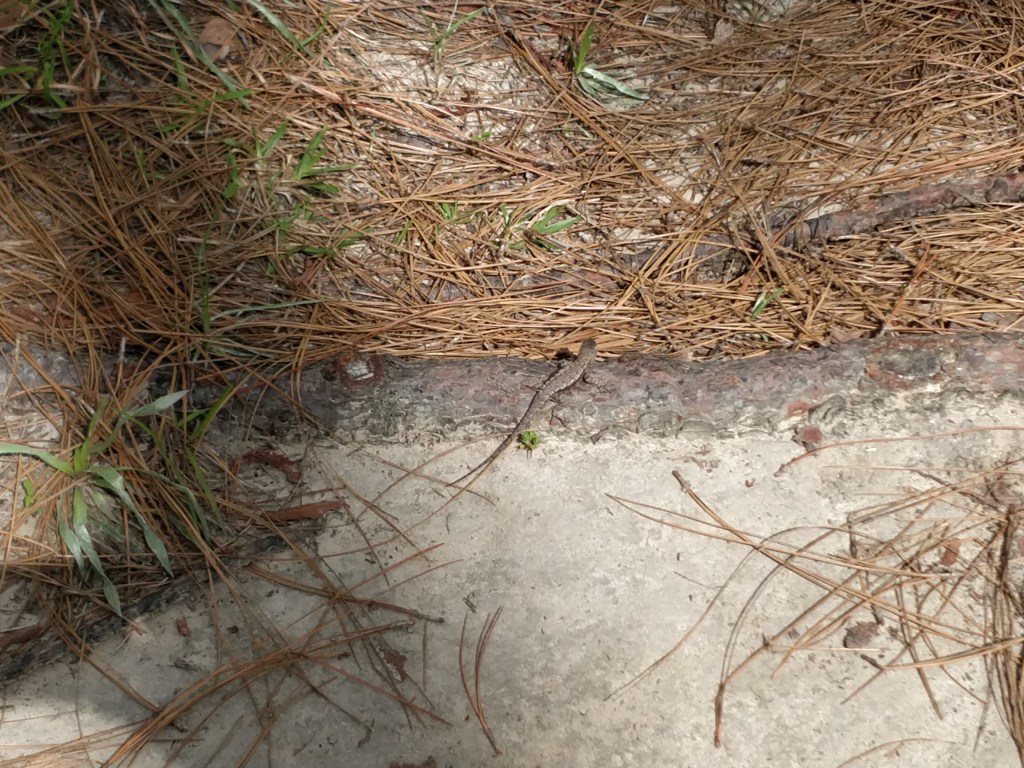
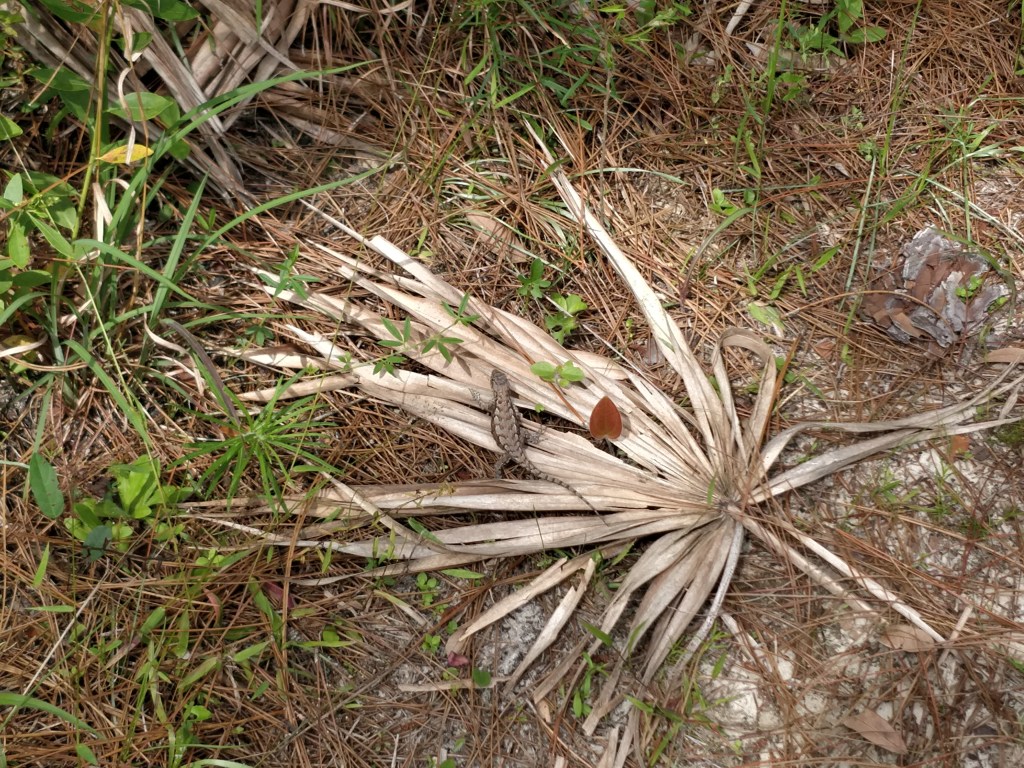
Butterfly and lizards:
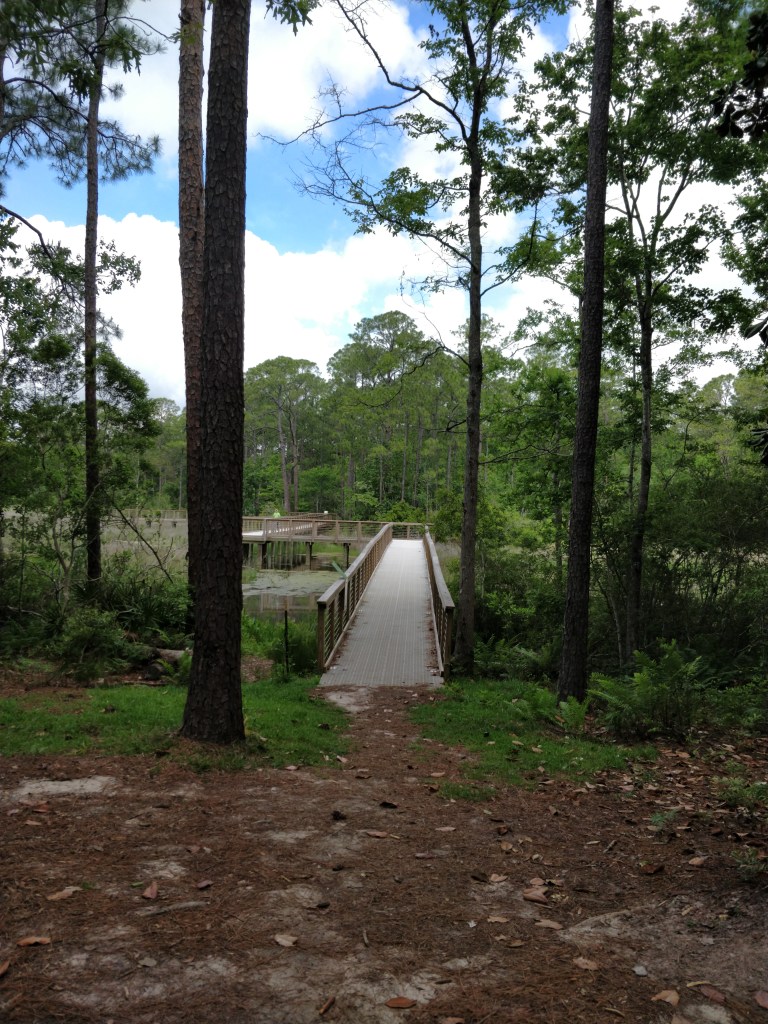
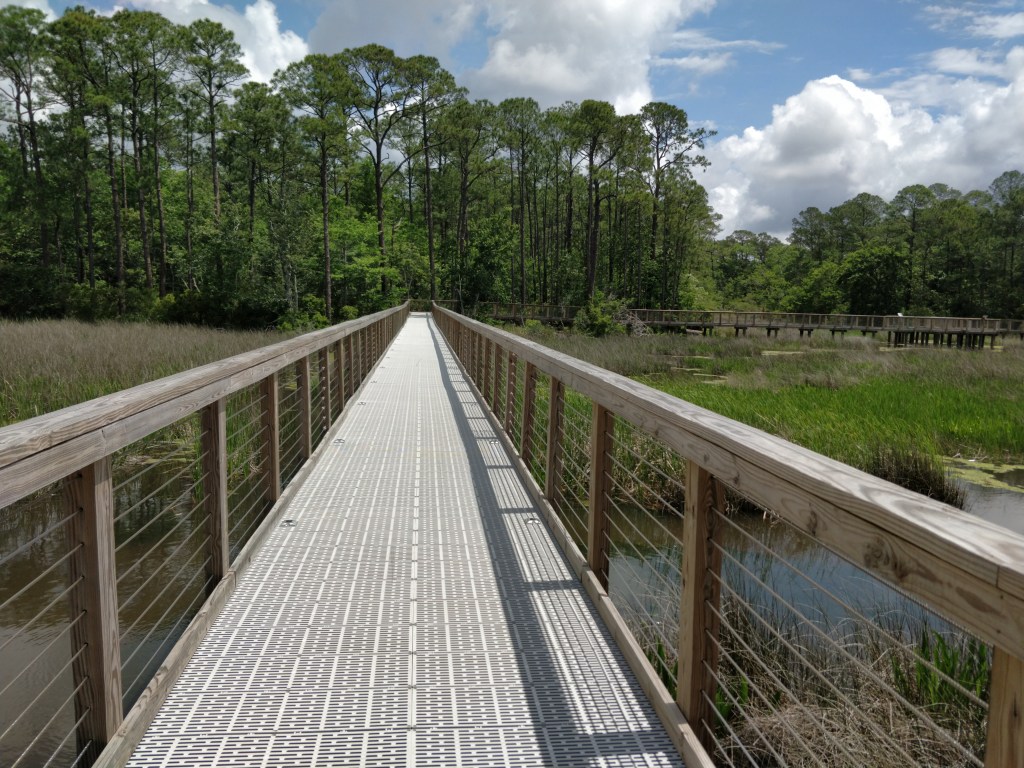
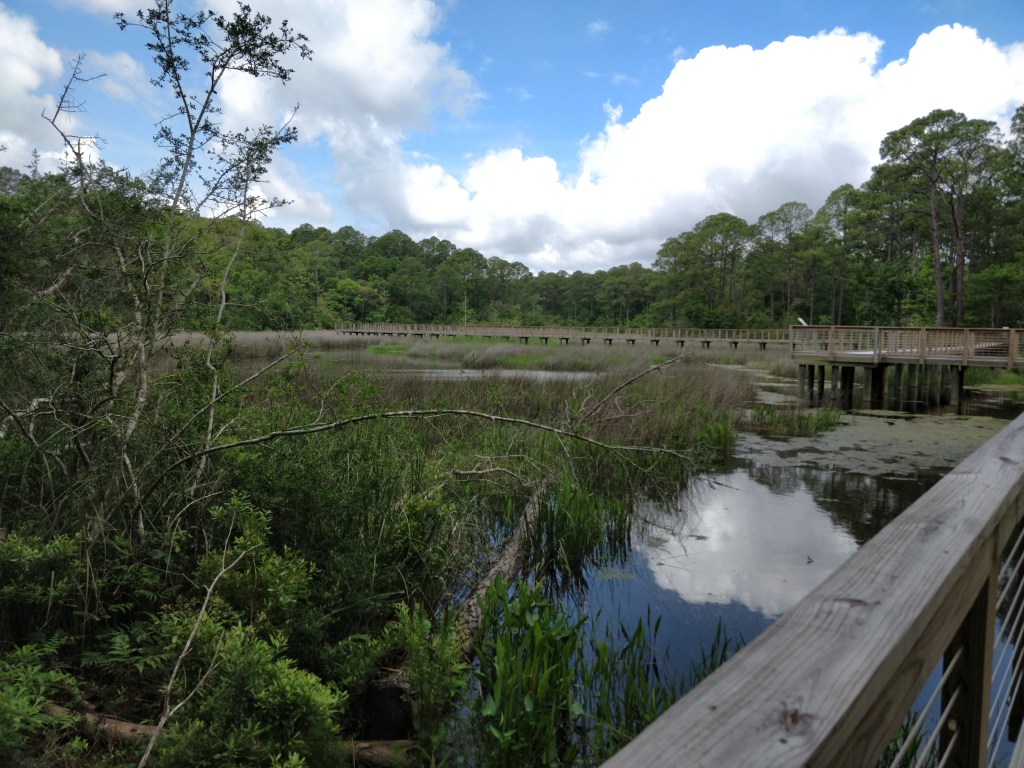
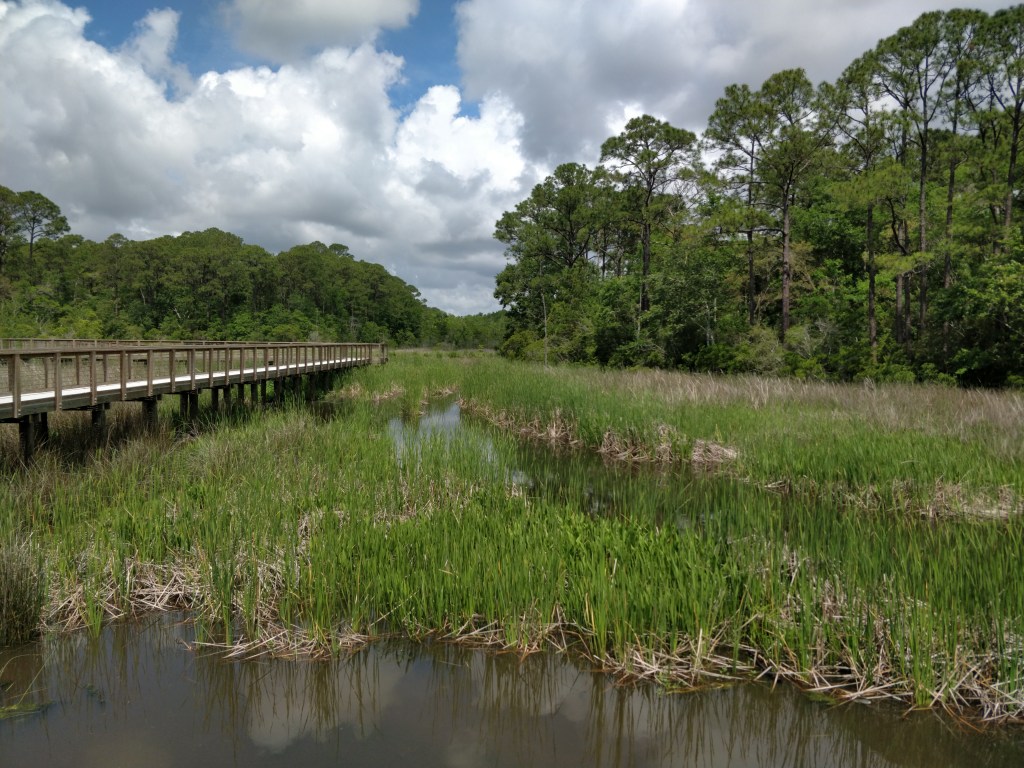
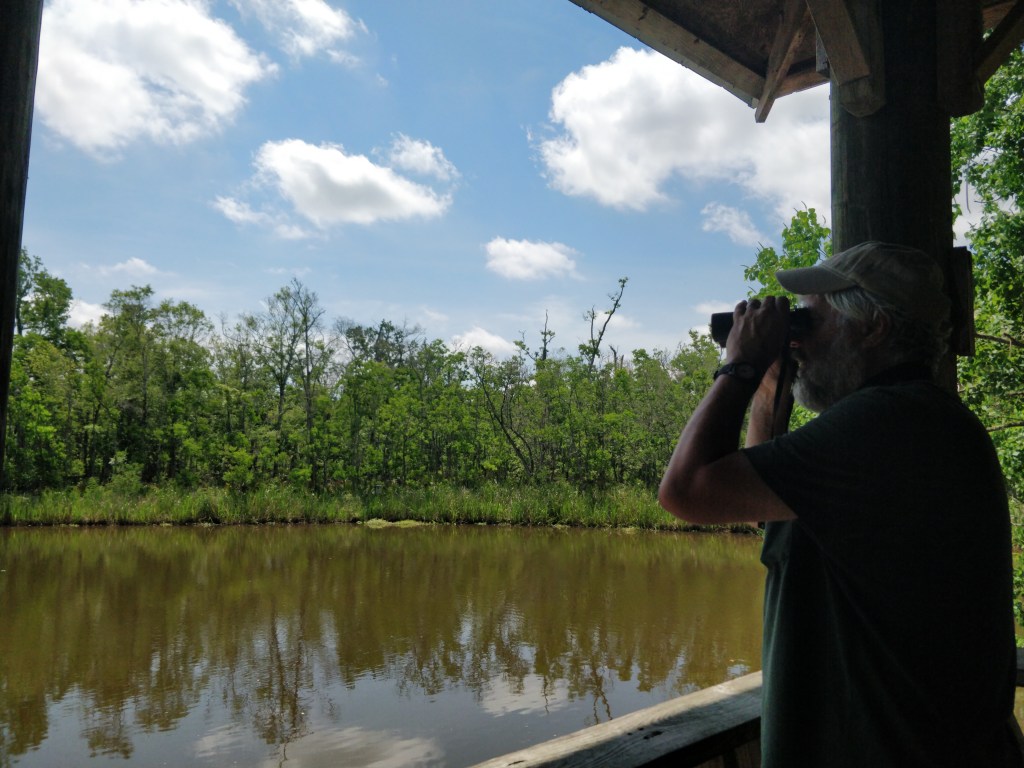
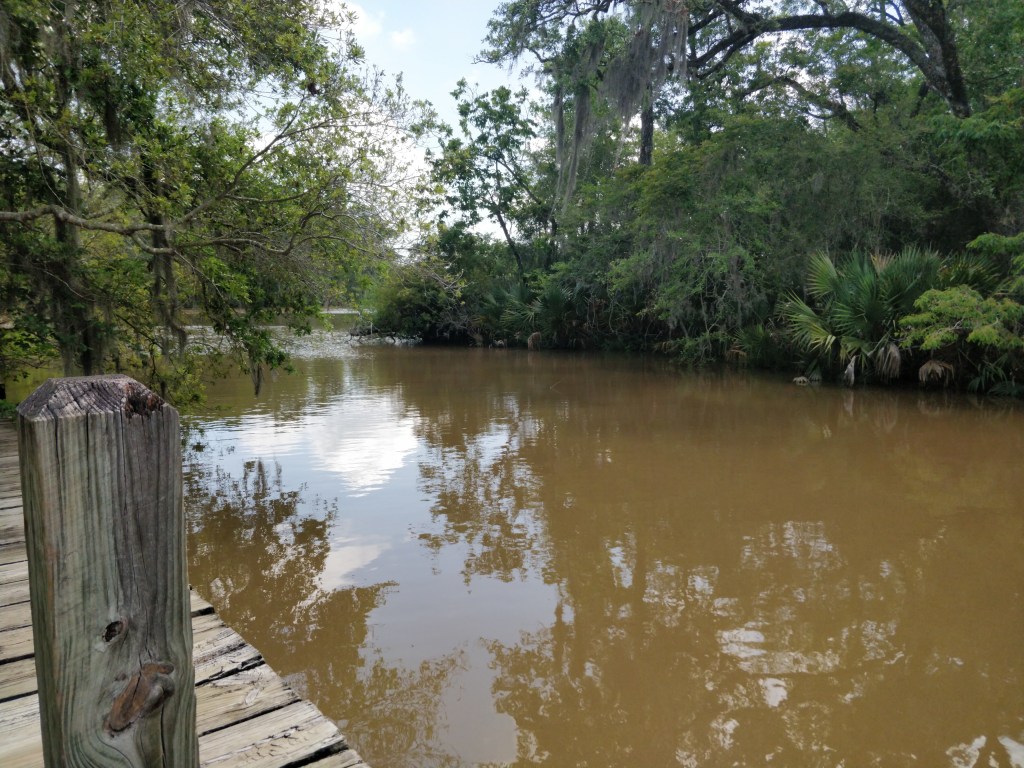
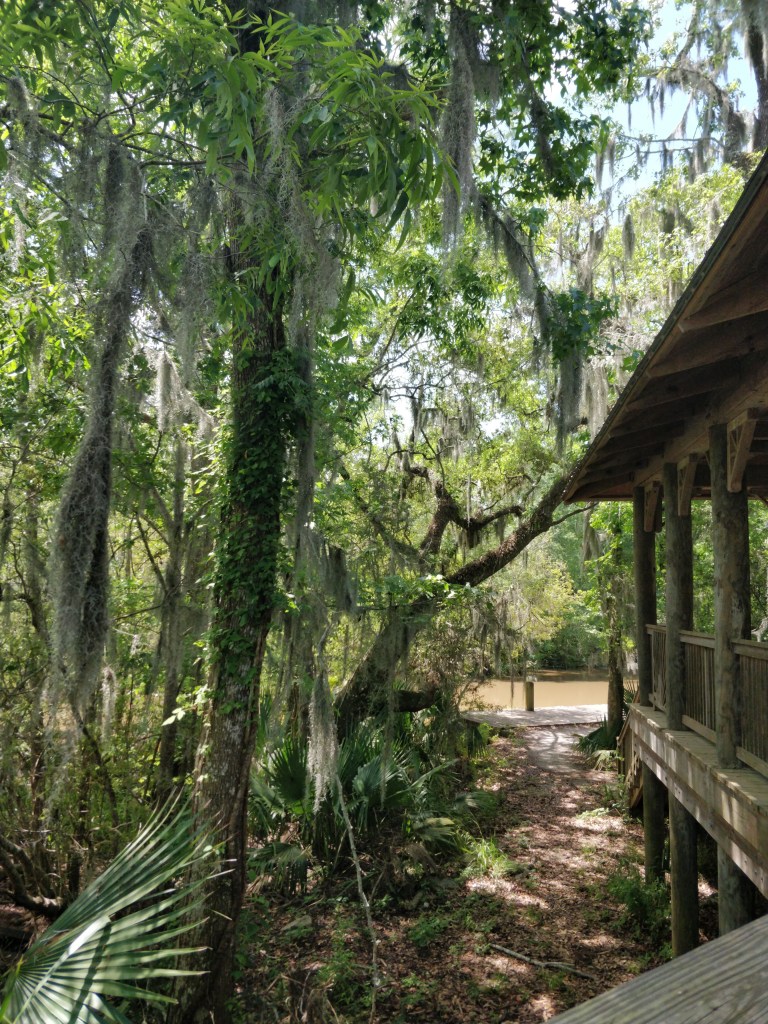
We also visited nearby Shepard State Park to explore the incredible Marshwalk pier and park trails.
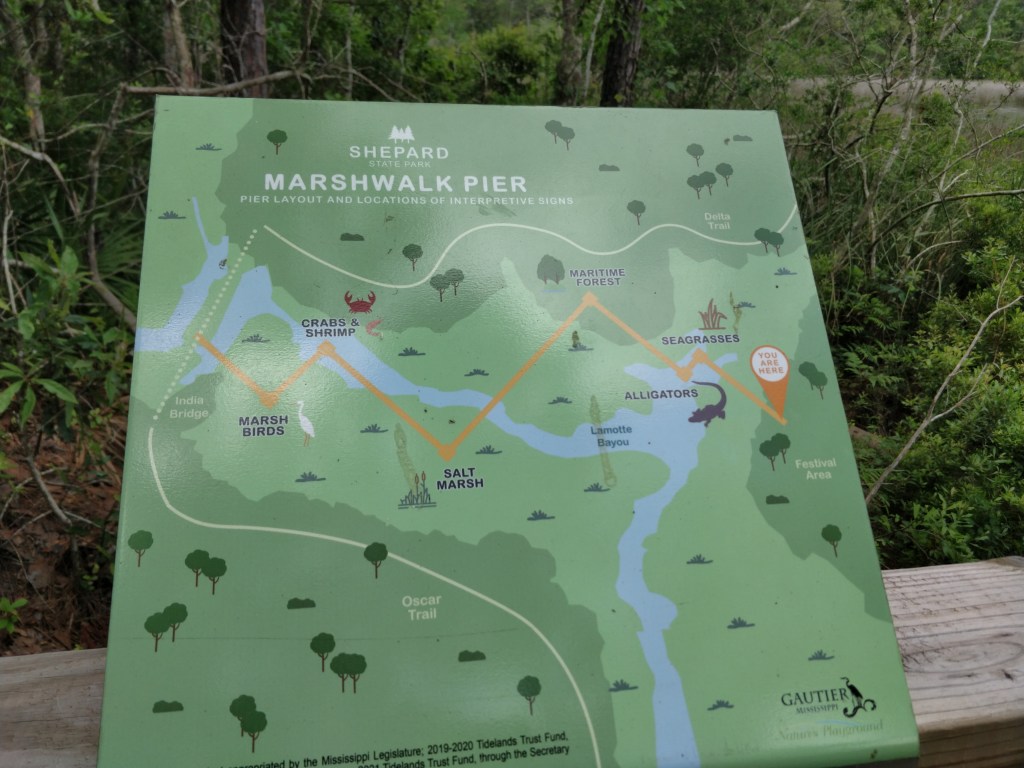
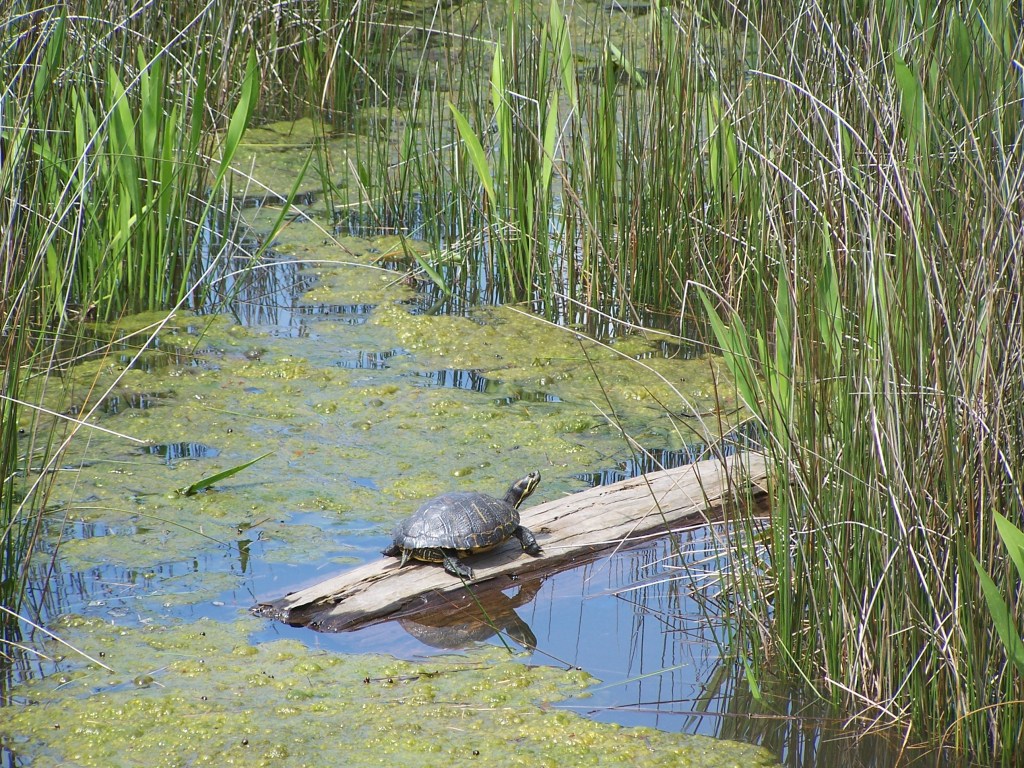
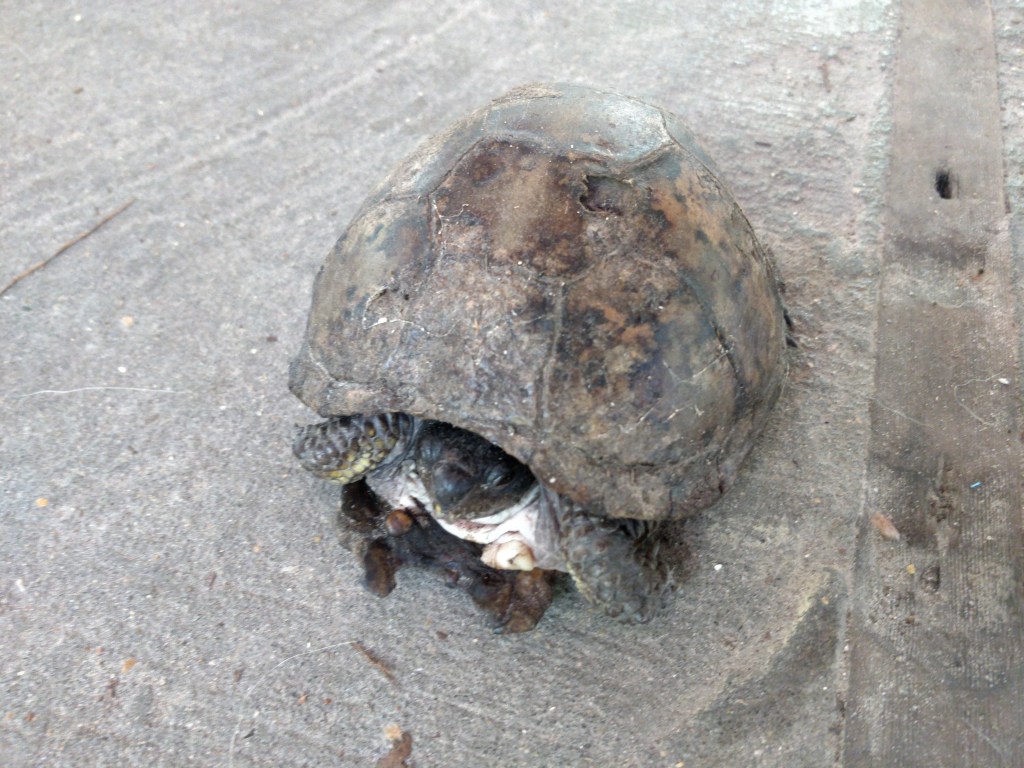
Atchafalaya Swamp Basin
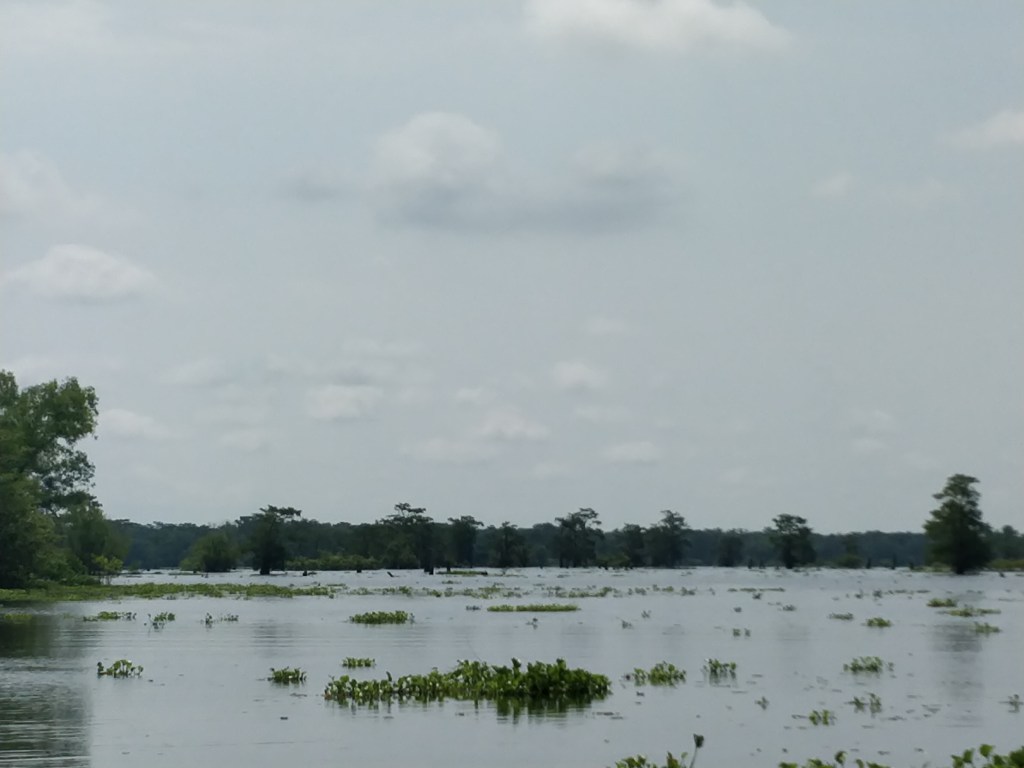
By the time we arrived at our next stop in Carencro, Louisiana, I finally understood why the Mississippi Delta ends near Vicksburg. Everything south is considered river-swamp and flows to form the magnificent Atchafalaya Swamp. After the 1927 historic flood of the Mississippi River which displaced millions of people, the Army Corps of Engineers built levees and river by-passes for flood control. Their work changed the course of the Mississippi River and the result greatly expanded the Atchafalaya Basin into a large portion of the southern part of Louisiana. (Atchafalaya rhymes with jambalaya.)

The outstanding visitor center at the Atchafalaya Swamp Basin is located near hiking trails and tour boats.
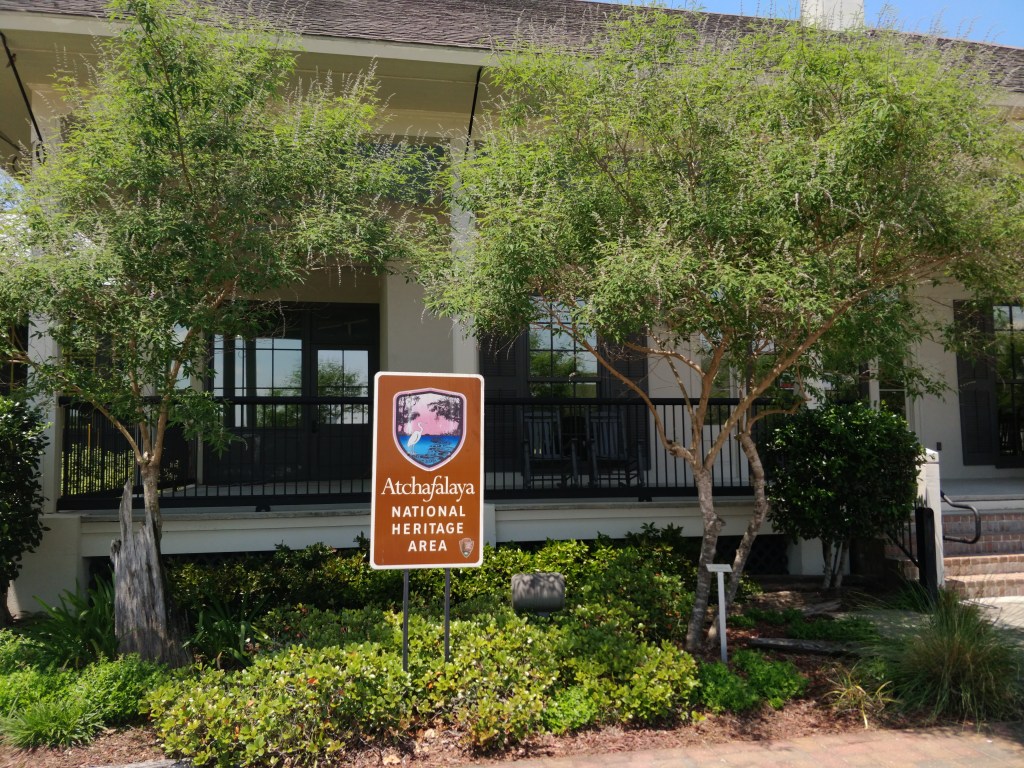
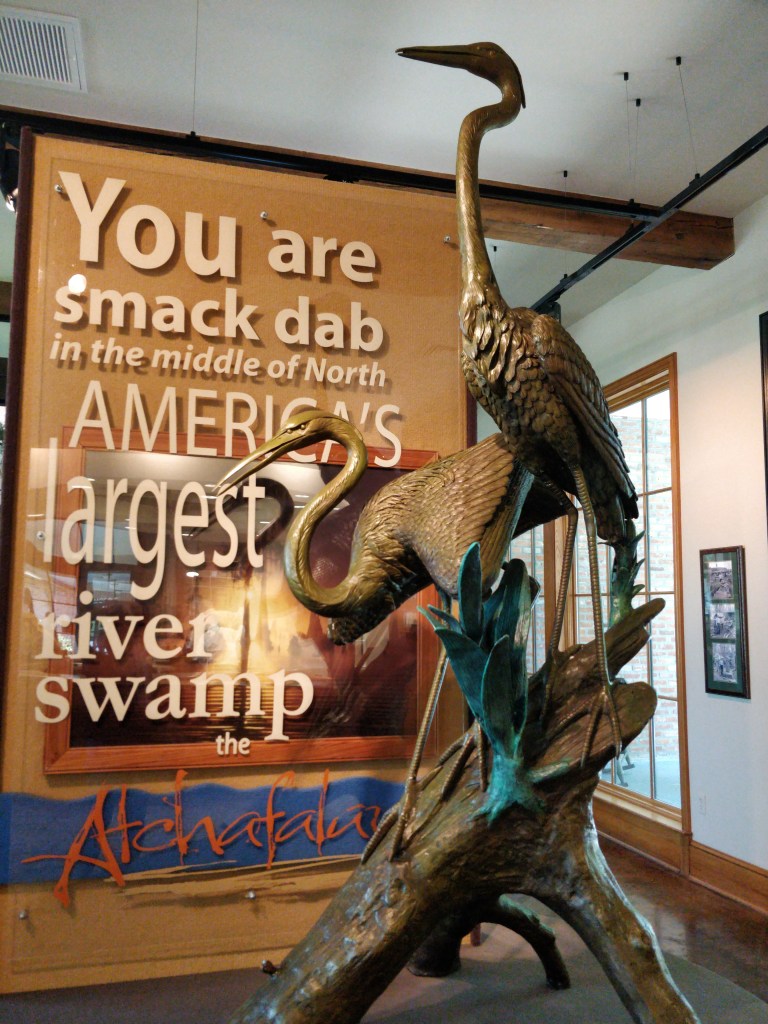
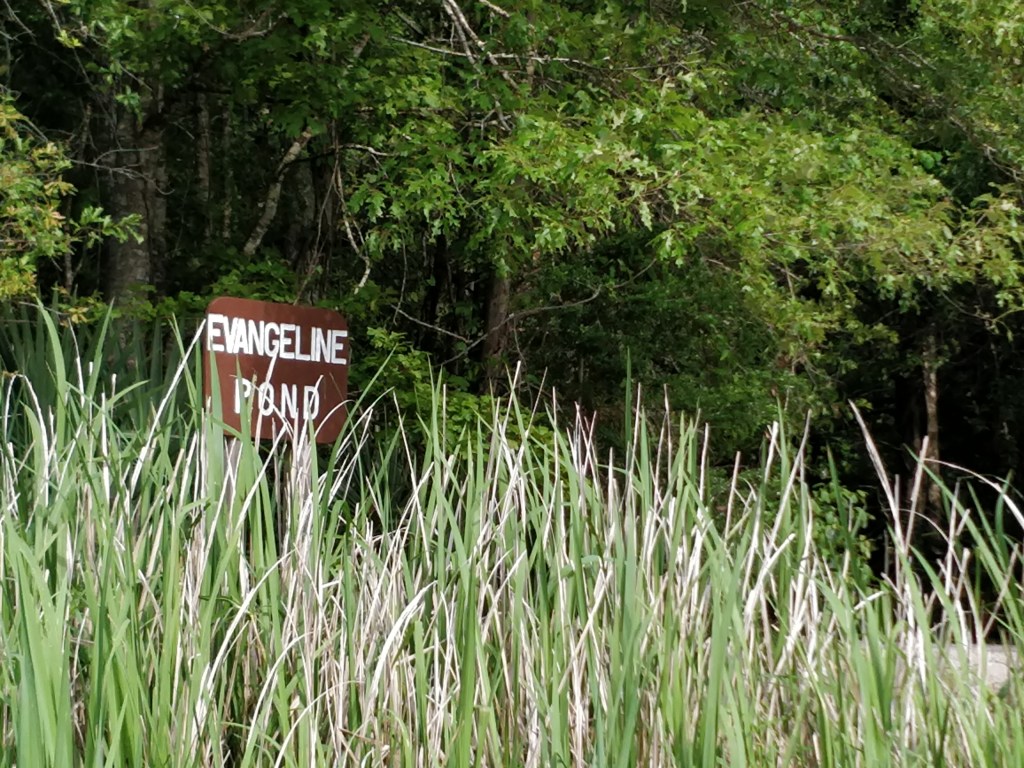
The friendly ambassadors gave us many great suggestions on exploring the wilderness areas as well as restaurants. The fun and quirky park film was a great orientation to the region and a history of the Acadie people (later known as “Cajuns”). Here we learned of Evangeline as made famous in the poem by Henry Wadsworth Longfellow. Separated from her lover when the Acadians were exiled from Nova Scotia, the ghost of Evangeline still waits by the bayous for him to join her in their new land. Streets, trails, ponds, stores, housing developments, medical centers, retail stores, and products of all sorts are named “Evangeline” here.
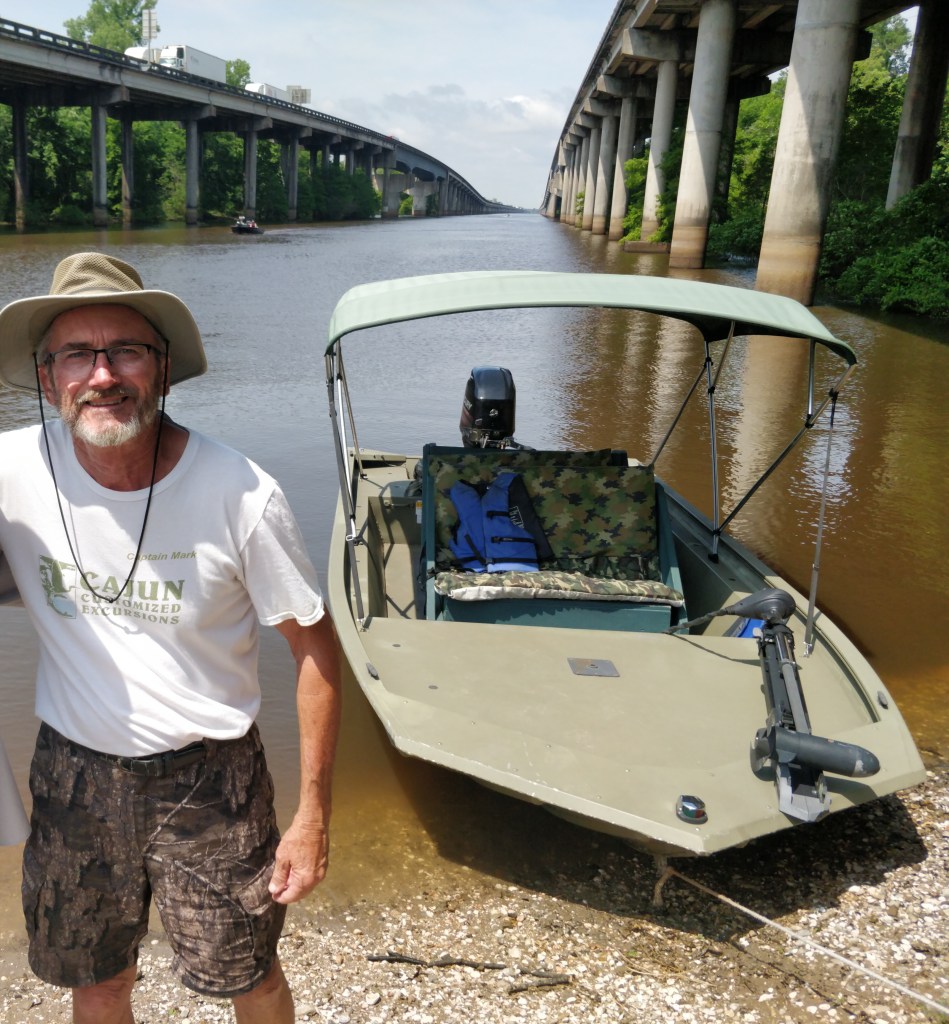
Cajun Customized Excursions
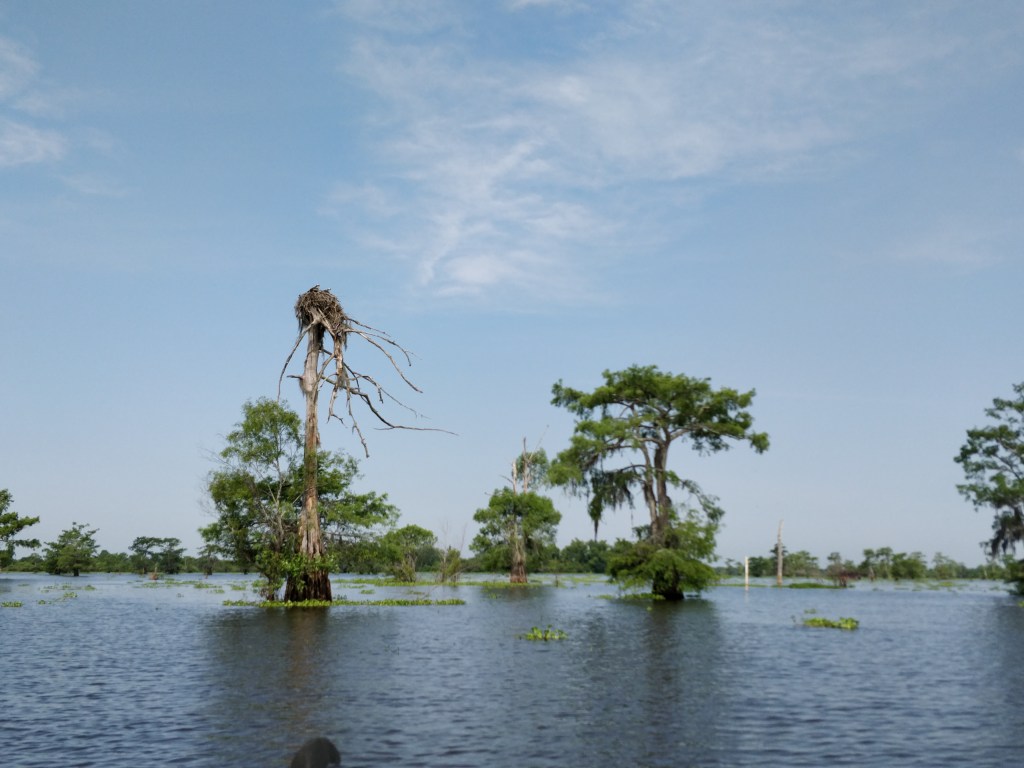
We took a boat tour with Captain Mark of Cajun Customized Excursions through the Atchafalaya bayous.
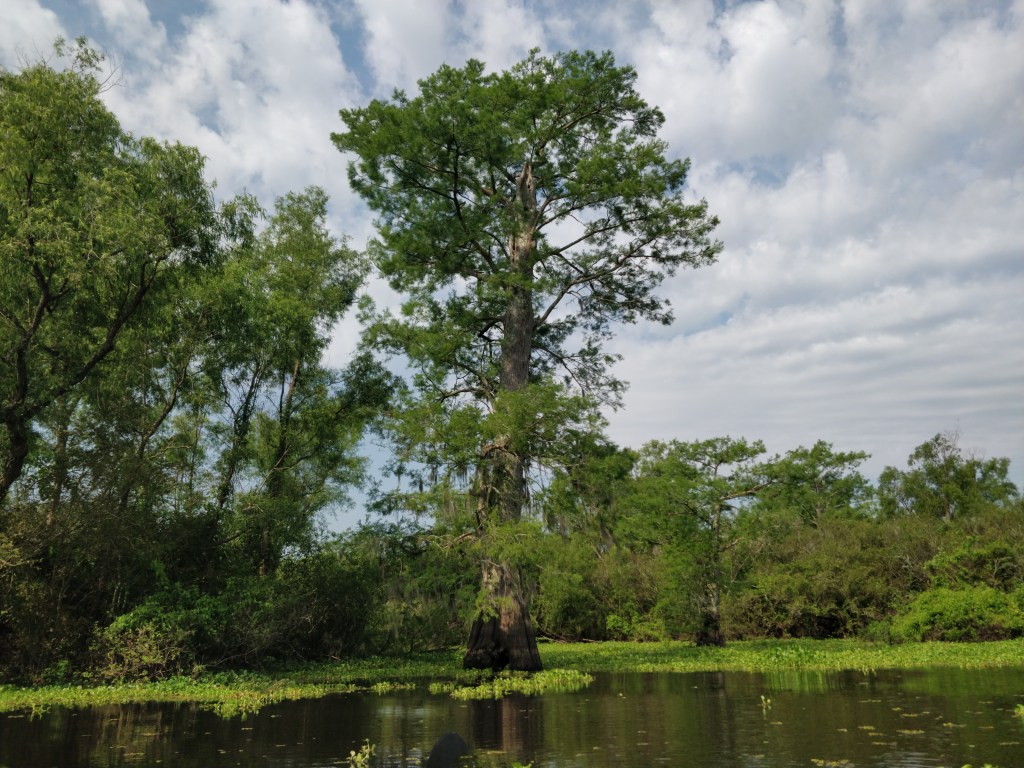
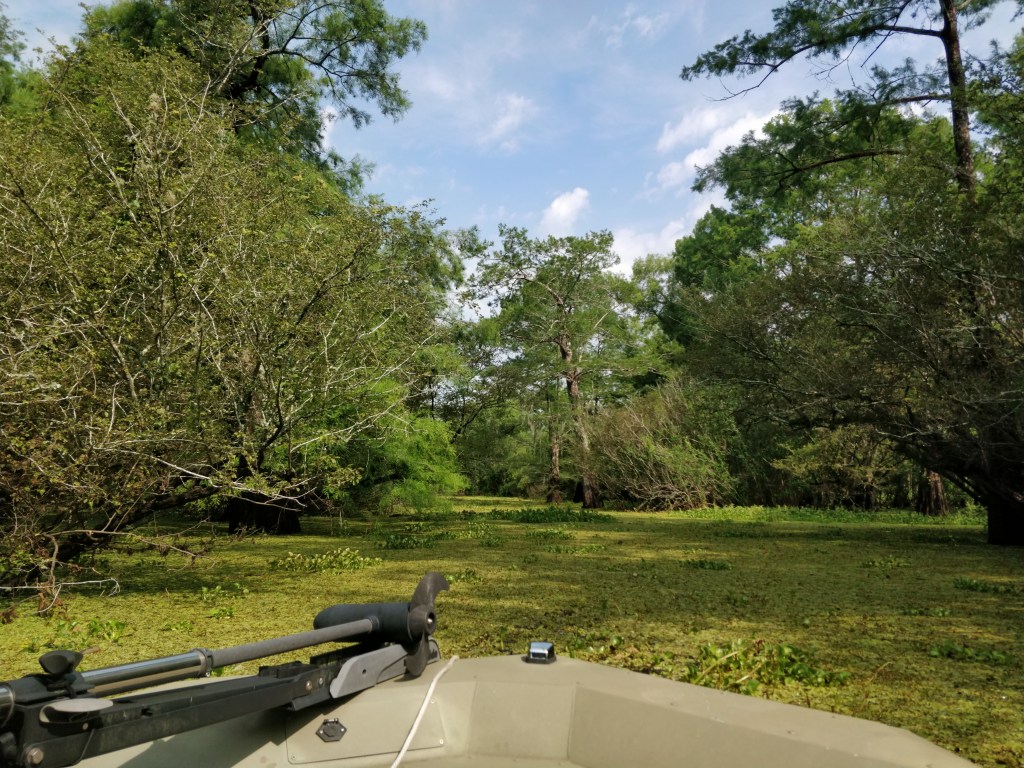
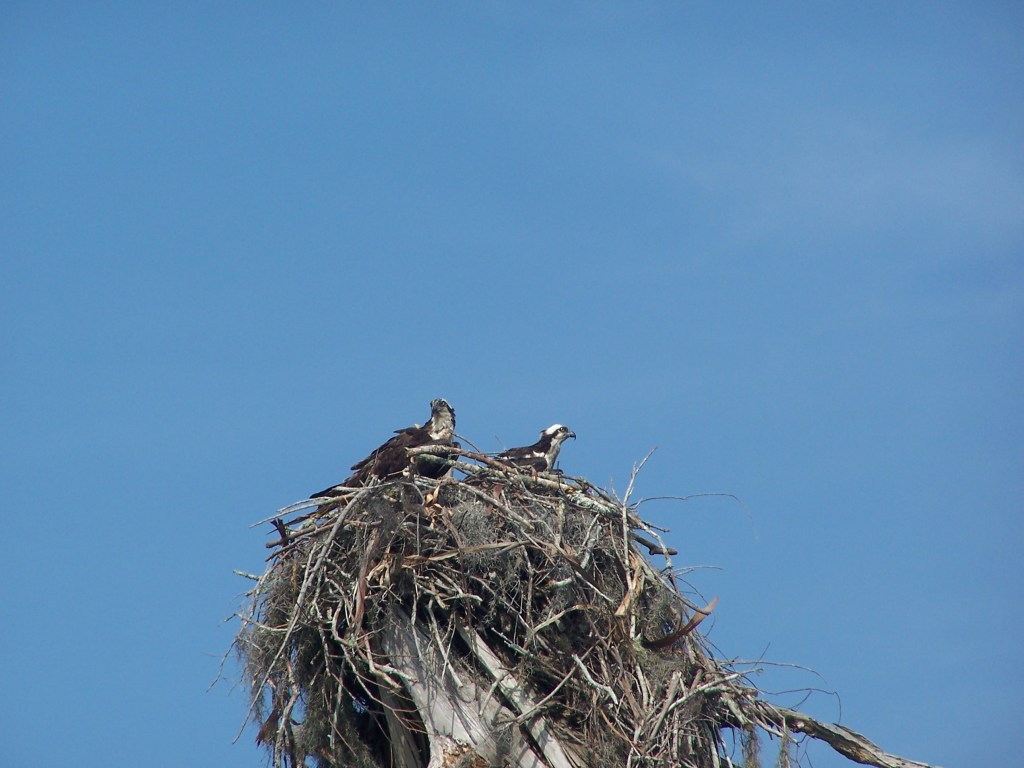
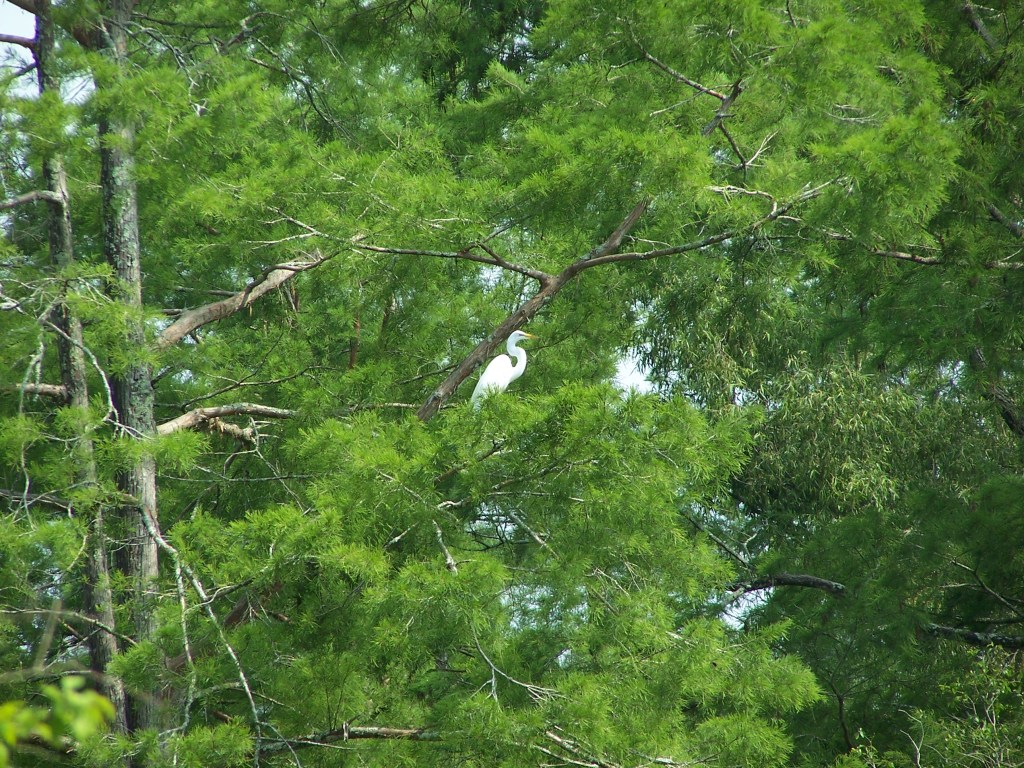
Osprey nesting tree; snowy egret.
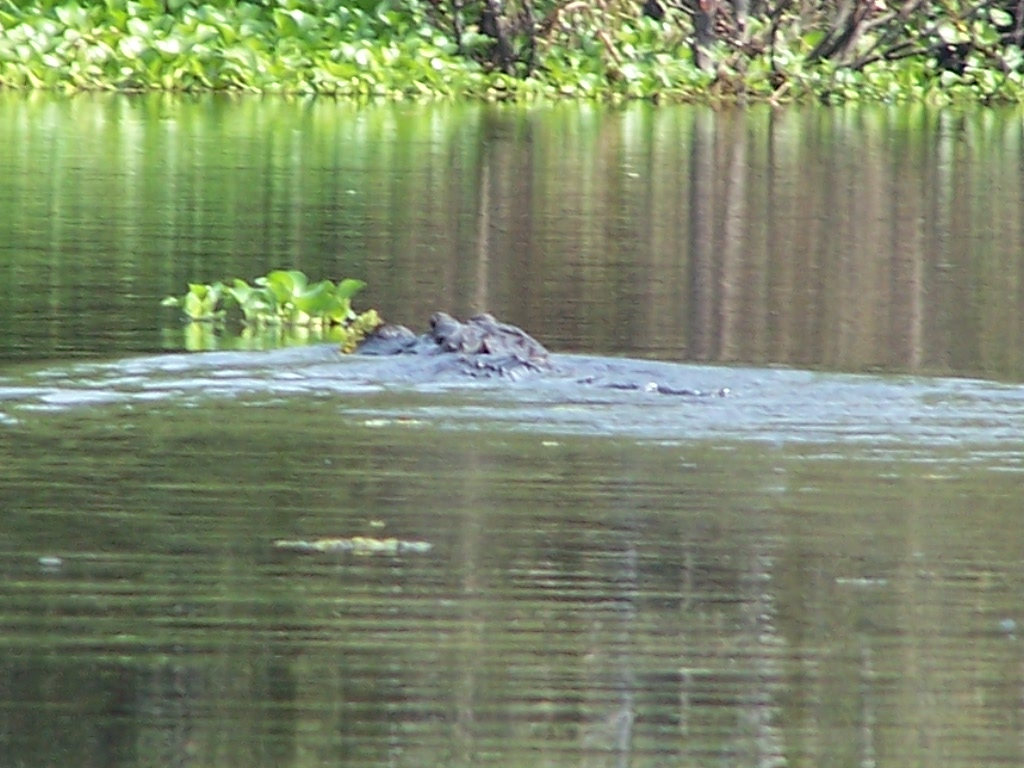
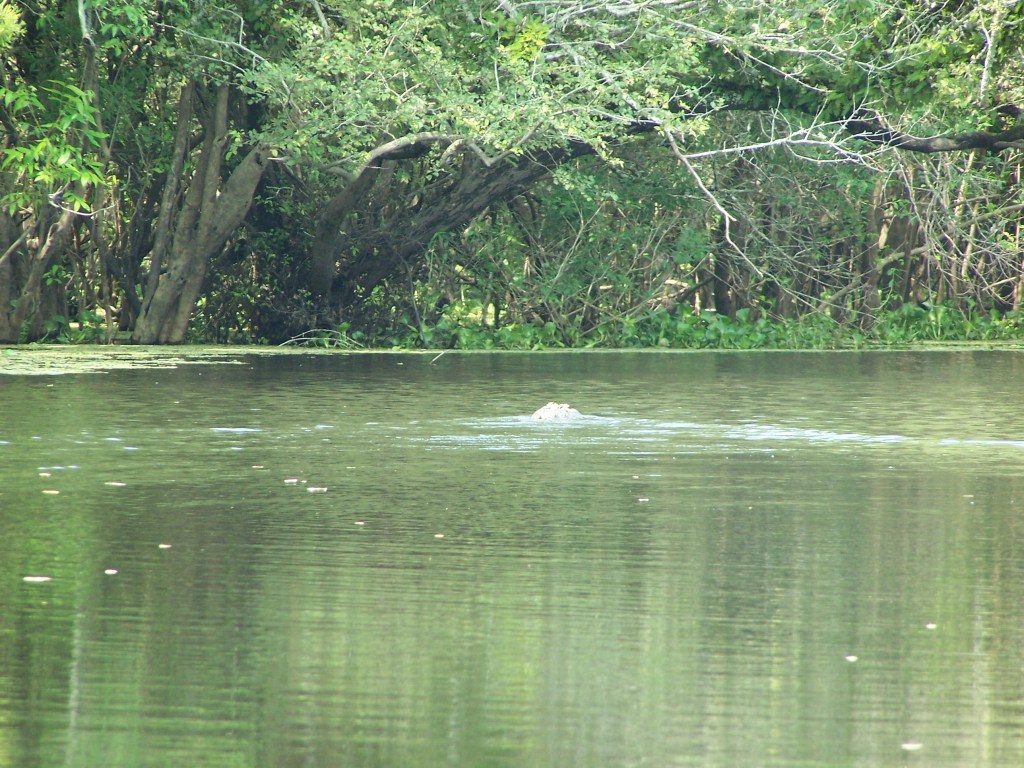
We passed two alligators:
Captain Mark is a sixth generation Cajun and recounted many family stories of life on and around the swamp. His grandparents lived in a floating house and made their livelihood by fishing.
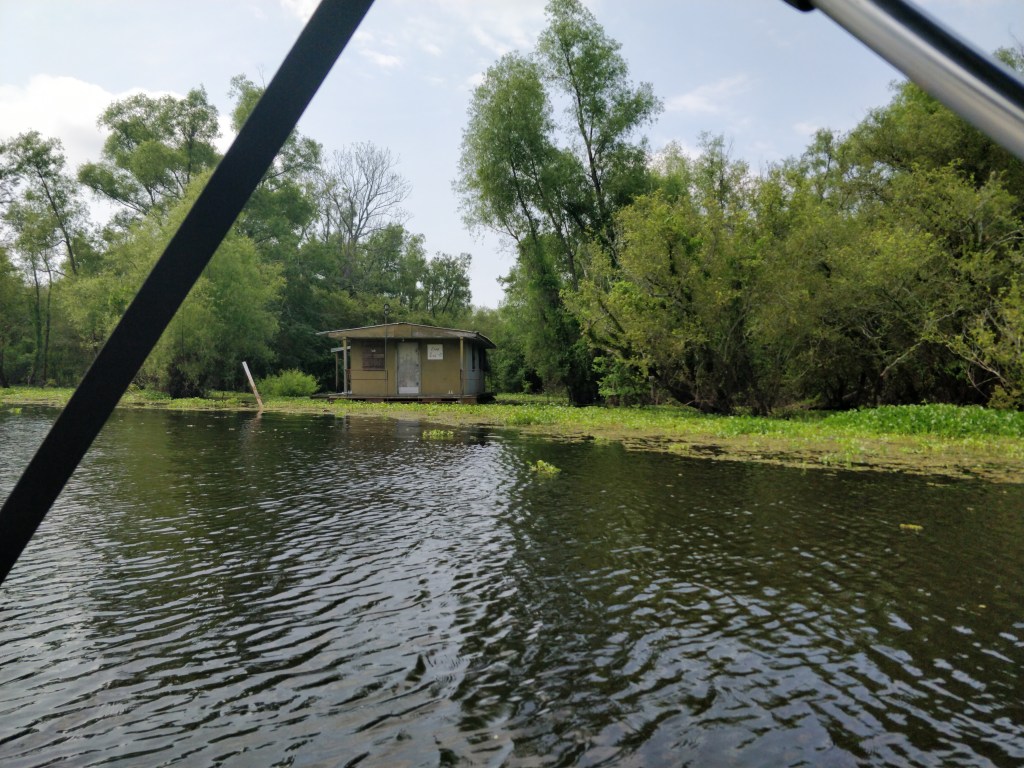
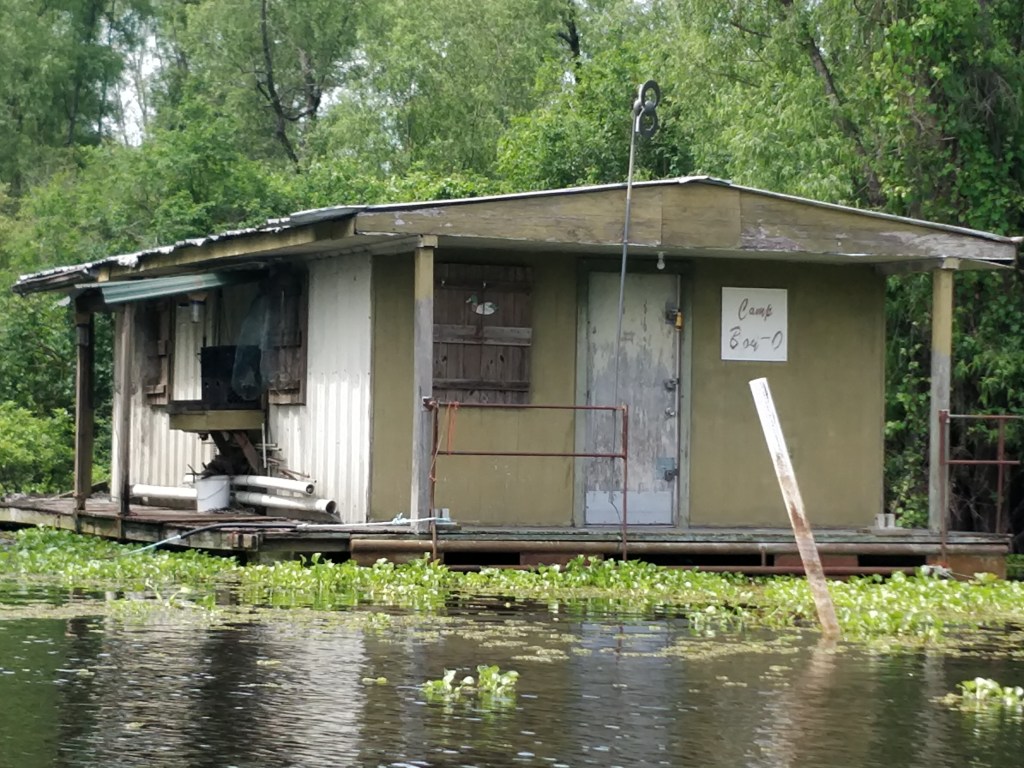
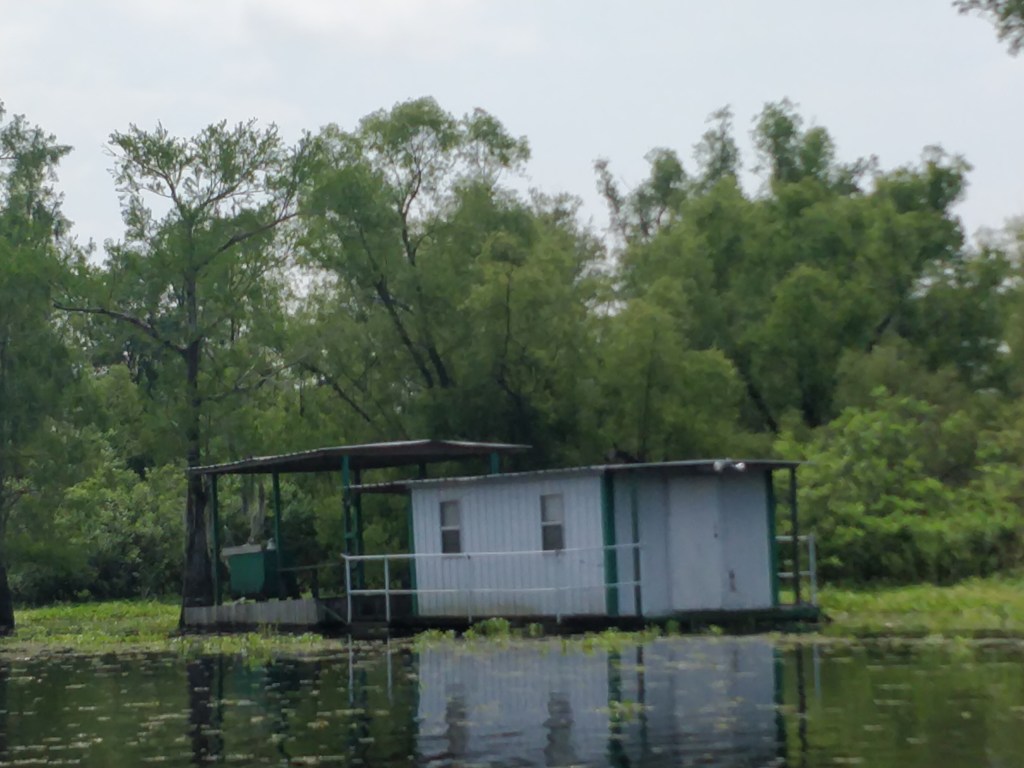
They would float their house from the northern portion of the swamp in the winter to the southern part in the summer and then return north again in the fall. This enabled them to continue fishing year round by avoiding becoming landlocked when the bayous started to dry out in the summer season. Our guide learned to navigate the labyrinth of bayous from them.
Here’s a short video from the Atchafalaya Swamp boat tour with Cajun Customized Excursions:
Indian Bayou
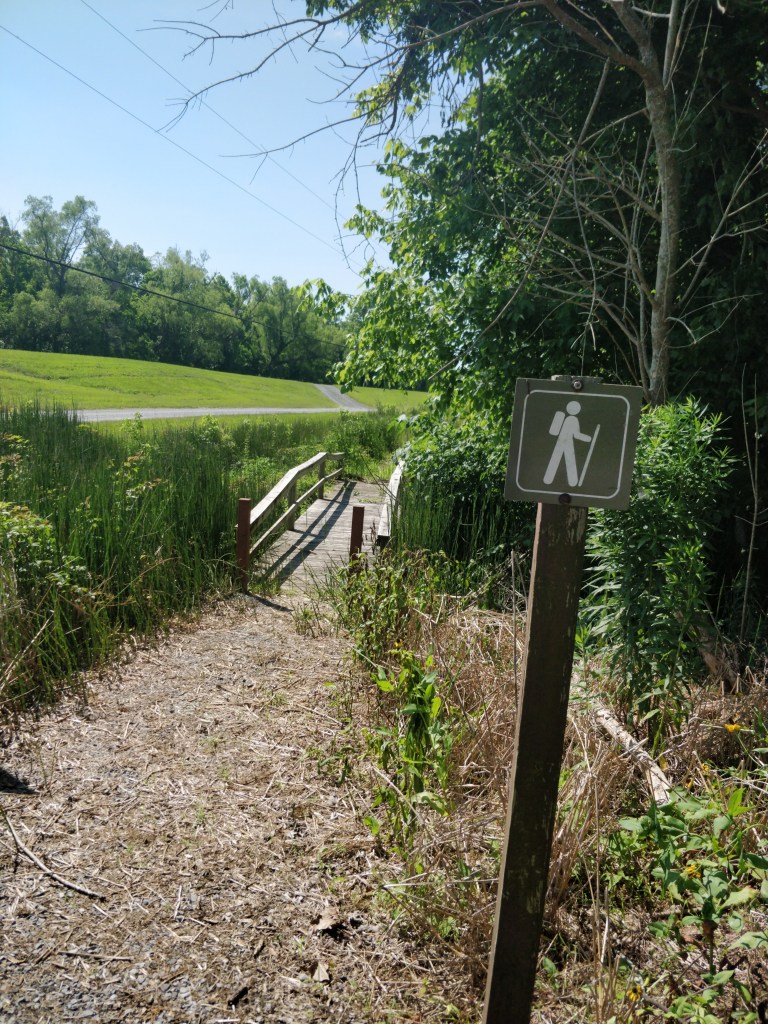
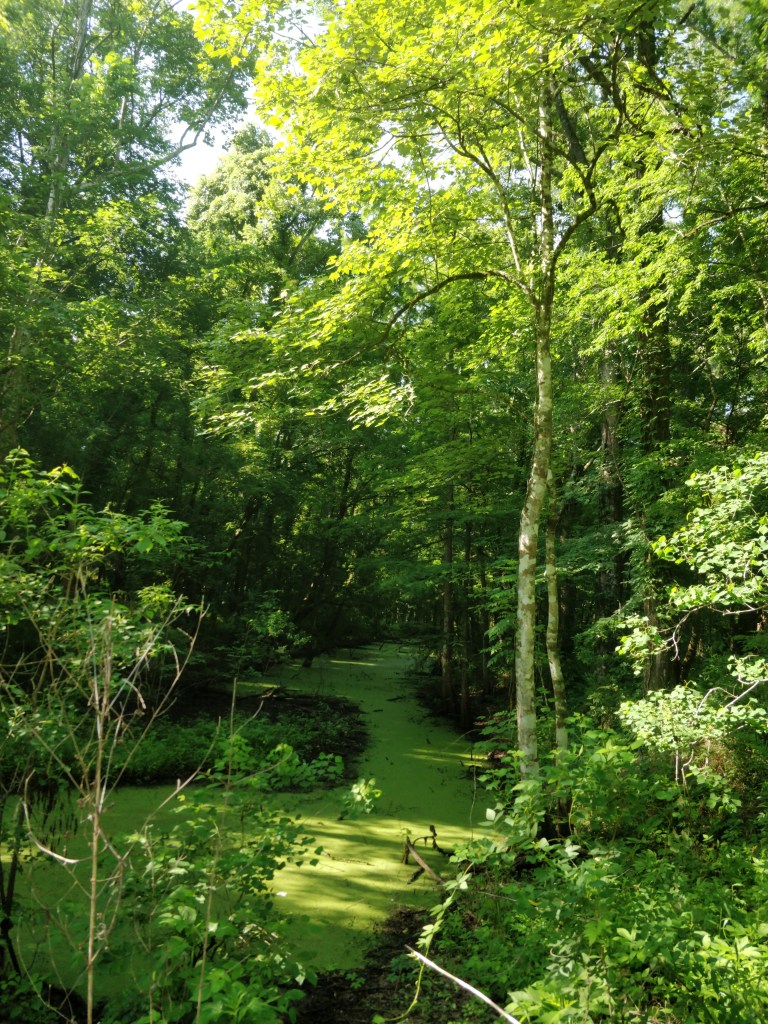
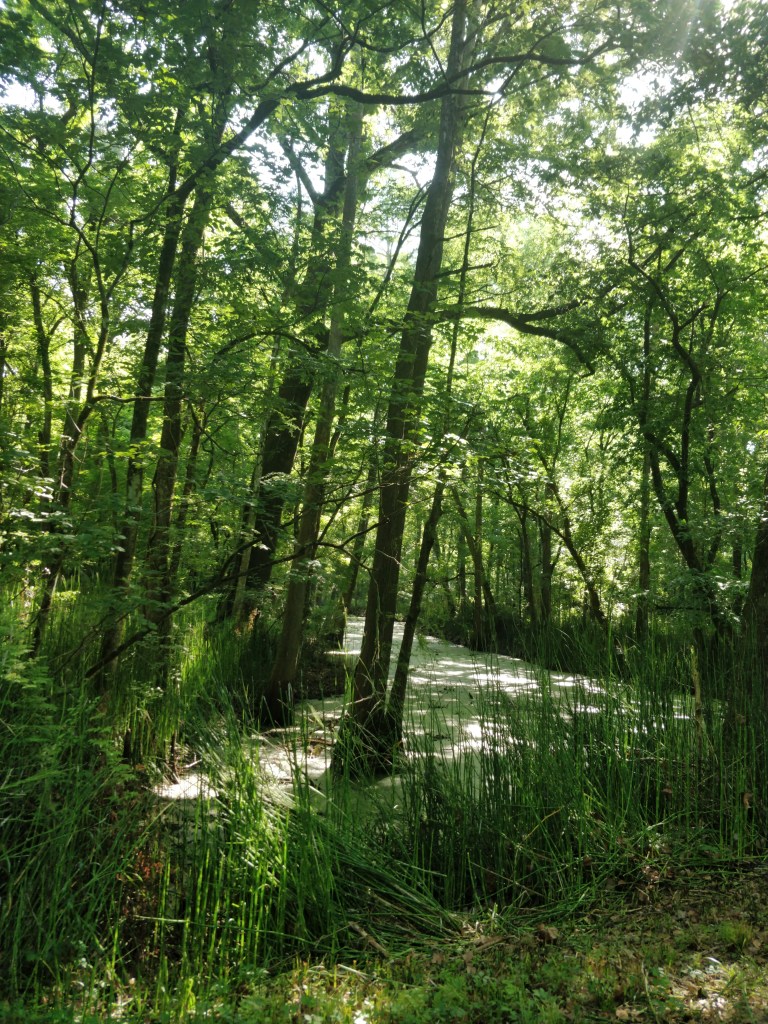
We loaded up on bug spray and set out early in the morning to hike the Indian Bayou trail. There are numerous trails located off the COE levee roads along the eastern side of the Atchafalaya. They are well marked and used by hikers, hunters and fishermen. We surprised an alligator who disappeared into the mucky water with a big splash and a flash of white underbelly; avoided a giant spider hanging on a web; and saw a couple of blue/black herons.

The Acadians (Cajuns)
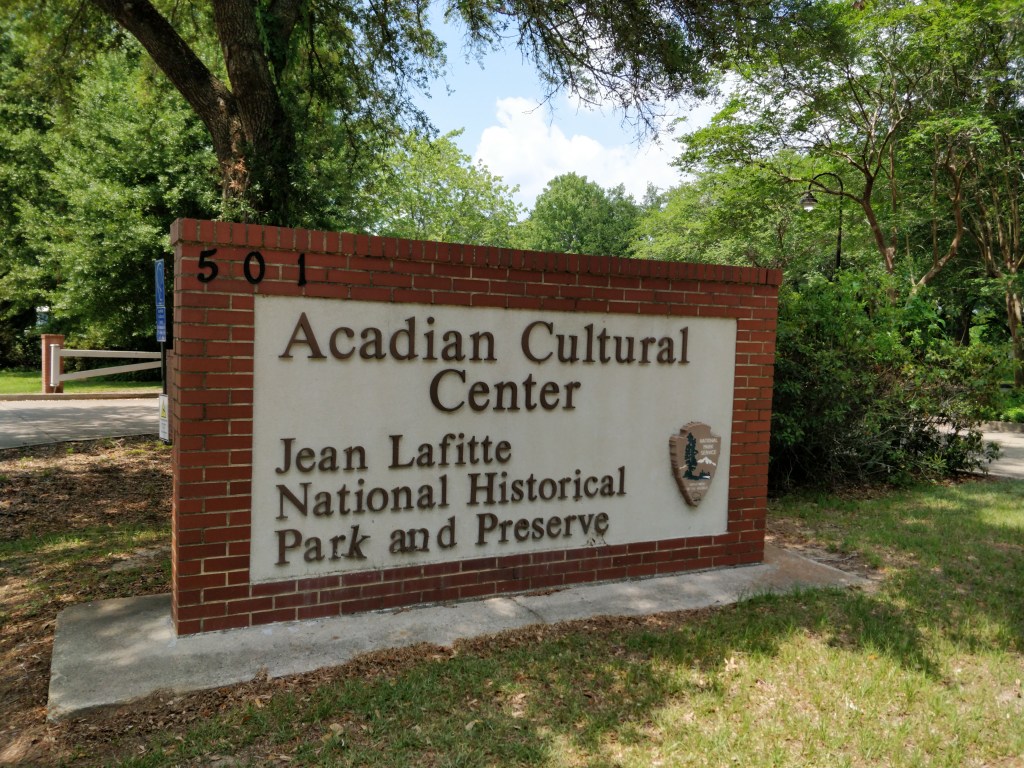
Changes to the Atchafalaya Basin by the flood control levees did little to deter the Acadians (Cajuns) living in this area since the 1700’s when they were exiled from Nova Scotia. Much like the Amish communities in the North, the Acadians have preserved their culture and heritage to this day by remaining a close-knit community in the unrelenting river-swamp region. Language, food, industry, craftsmanship, and traditions have been preserved to the extent that it can seem like being in a foreign country when visiting the small towns like Abbeville, Lafayette, and Carencro. Fais-do-dos (dances) with accordion led zydeco music and crawfish boils (pronounced “bolls”) take place several times a week throughout the region. To learn more about this elusive part of swamp culture, we stopped at the living history museum, Vermilionville, and found the Jean LaFitte (famous pirate) National Park visitor center. Both contained excellent exhibits and artifacts.
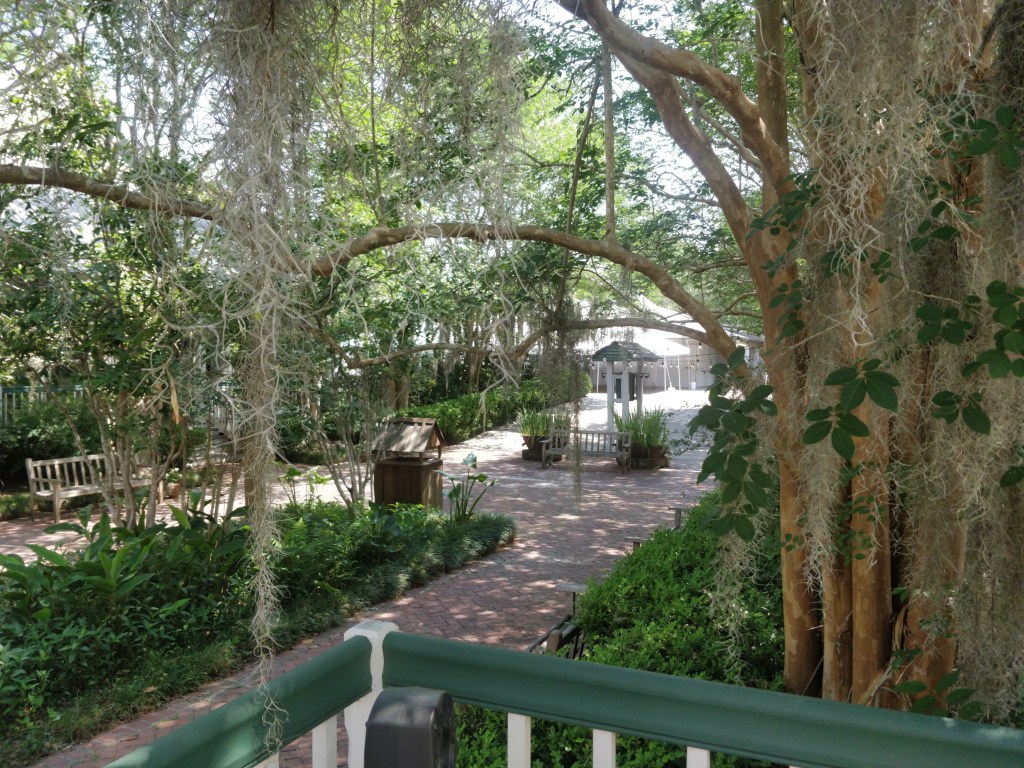
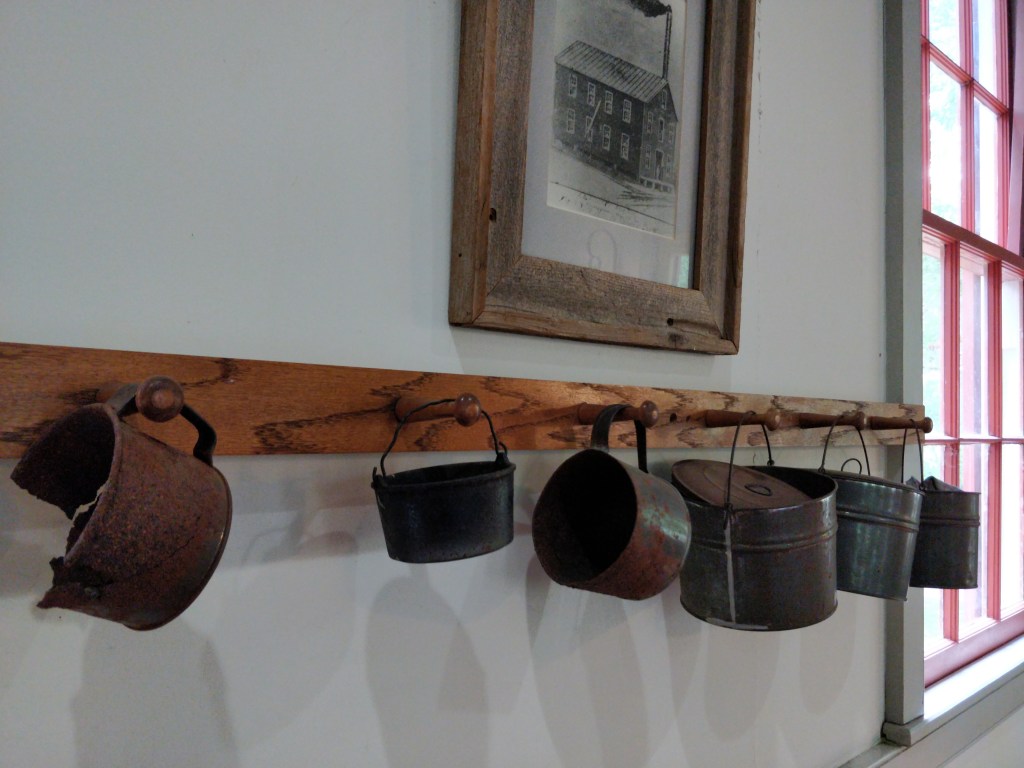
Vermilionville historical houses from the early 1800’s:
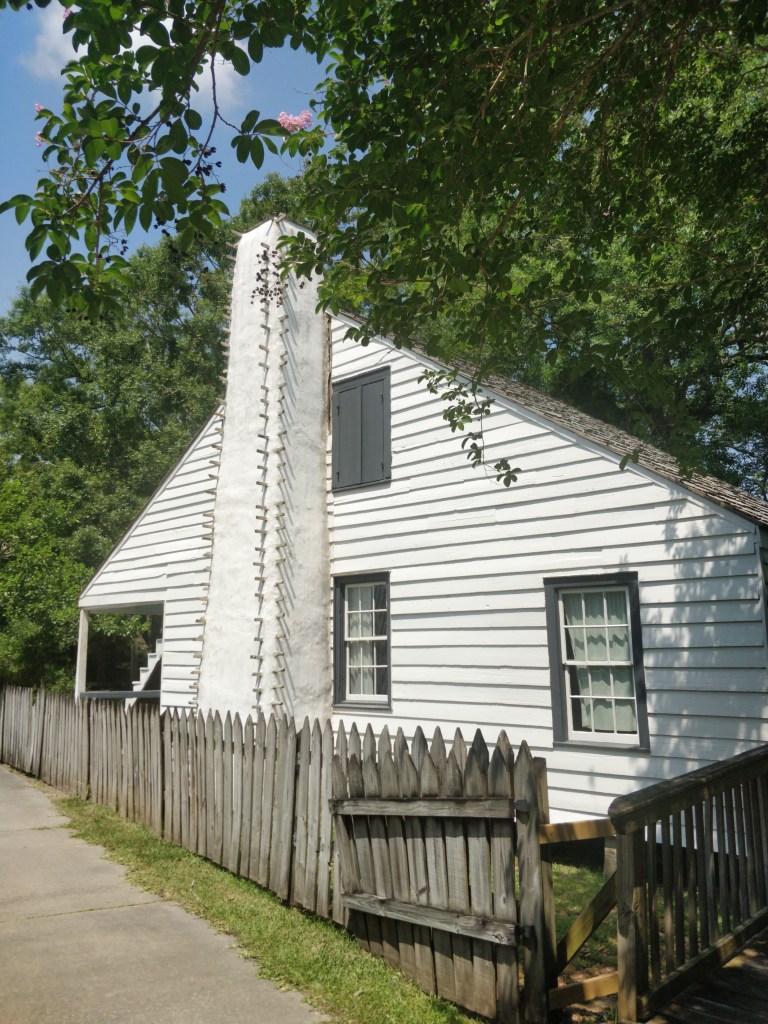
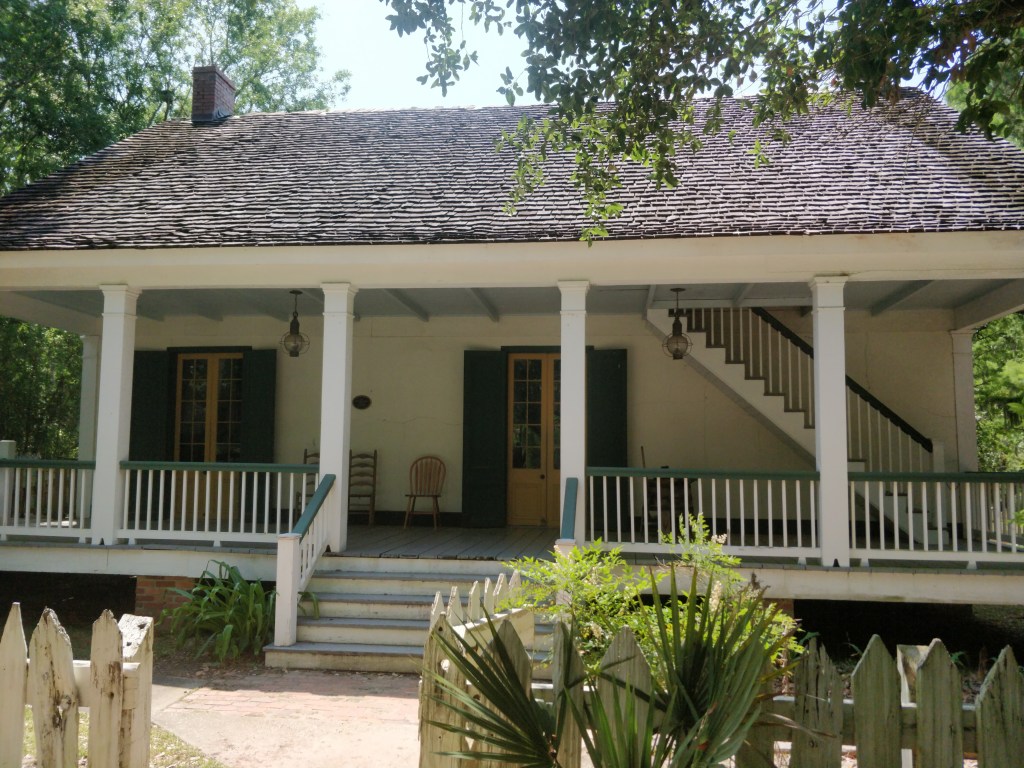
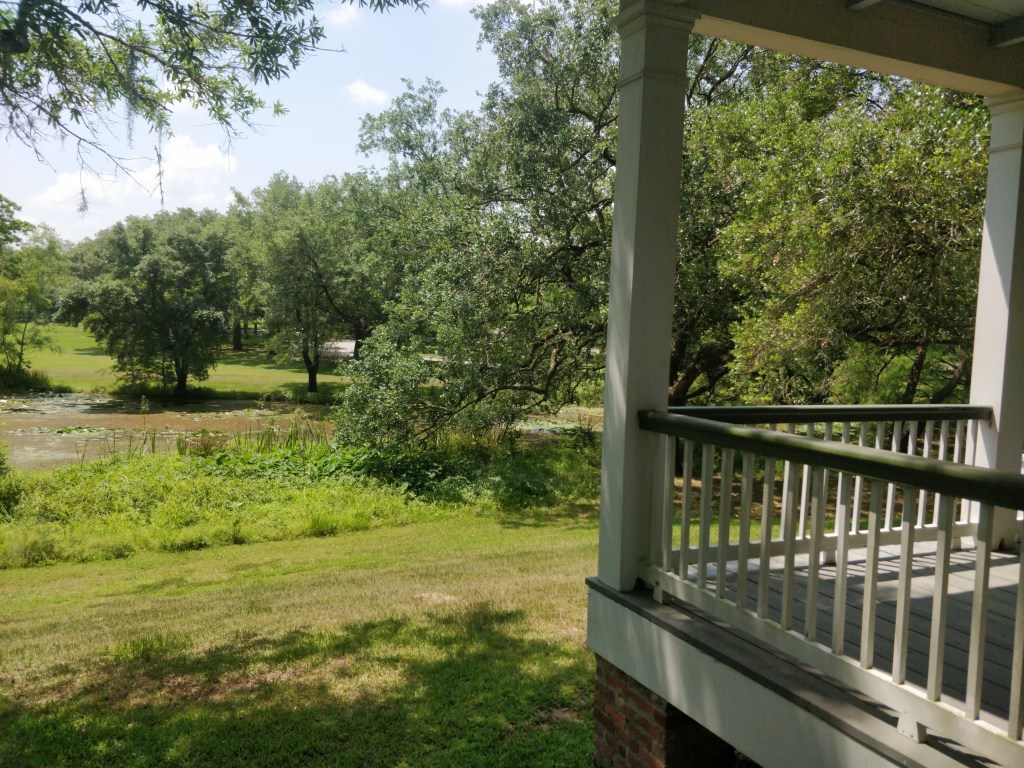
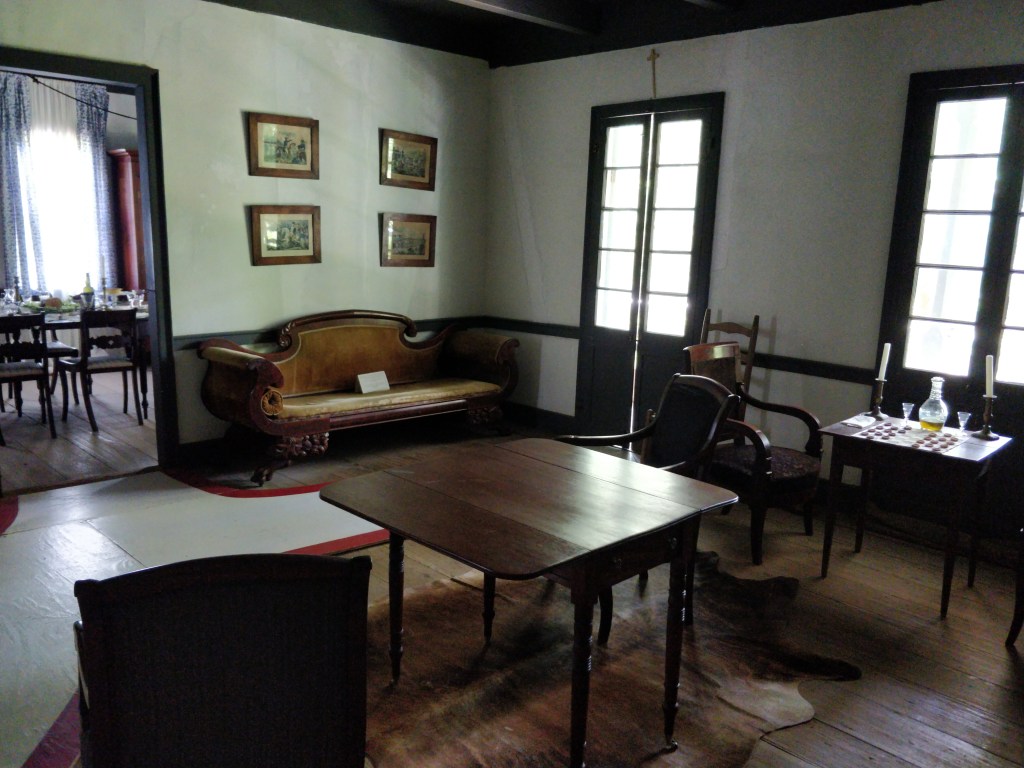
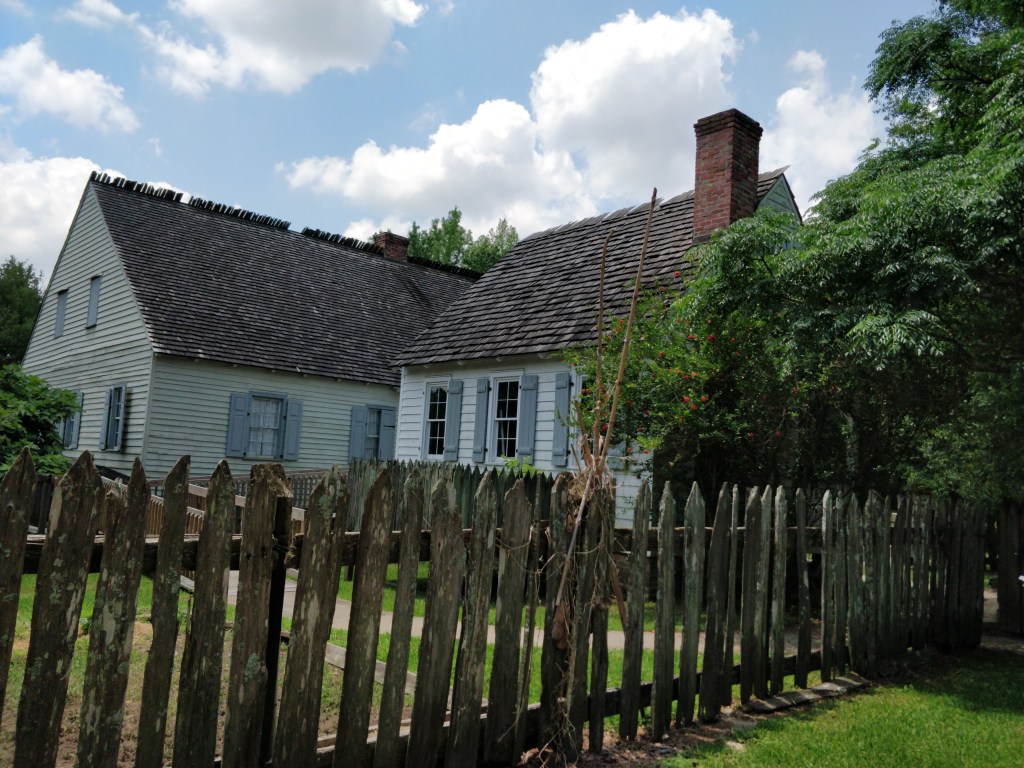
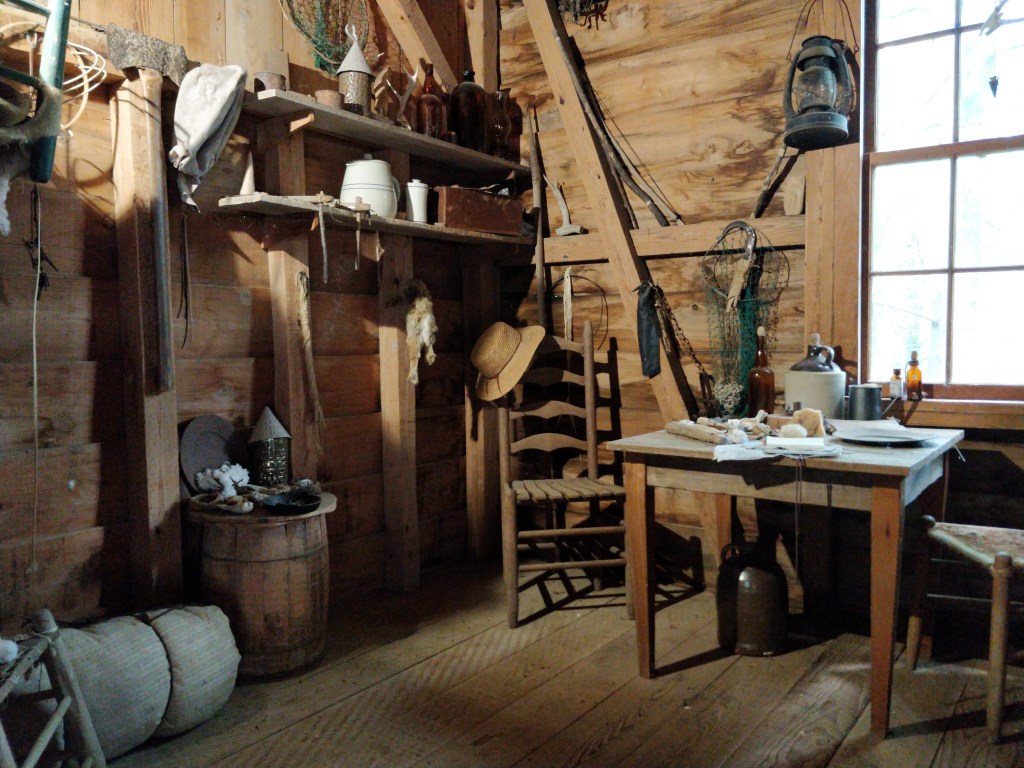
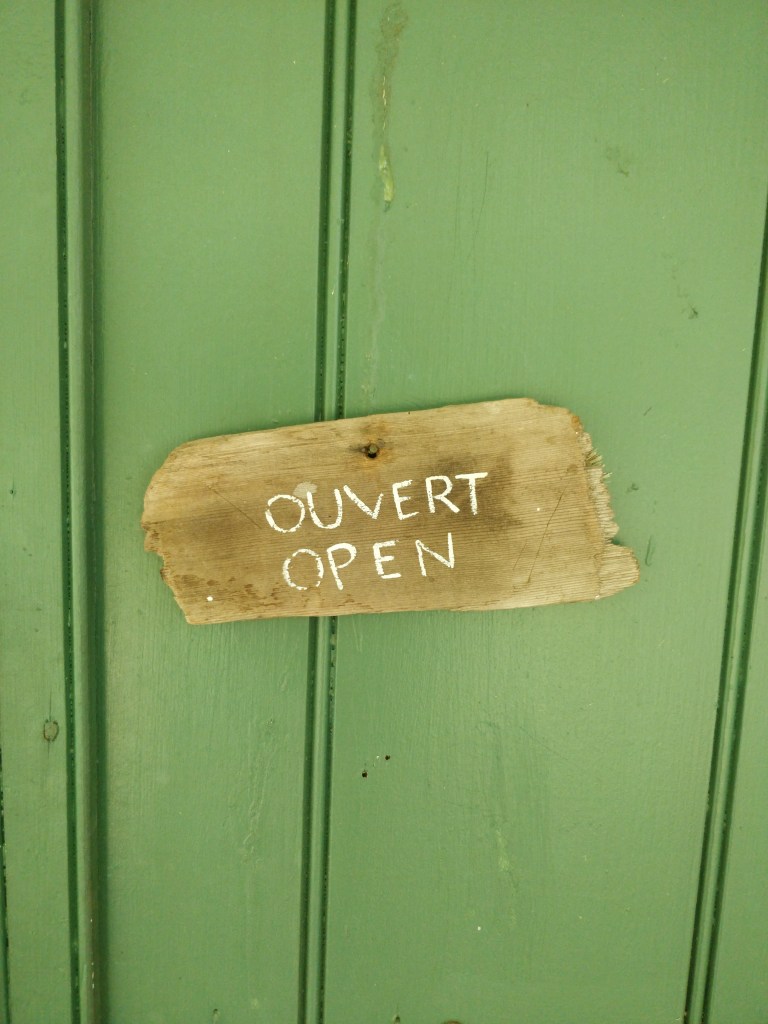
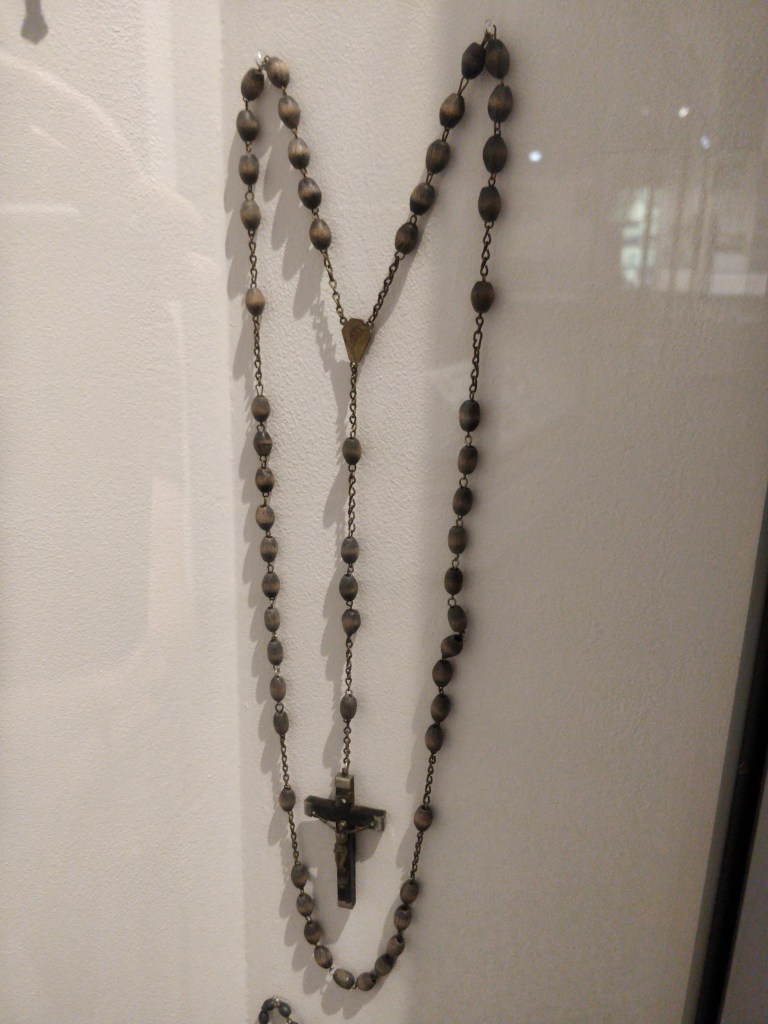
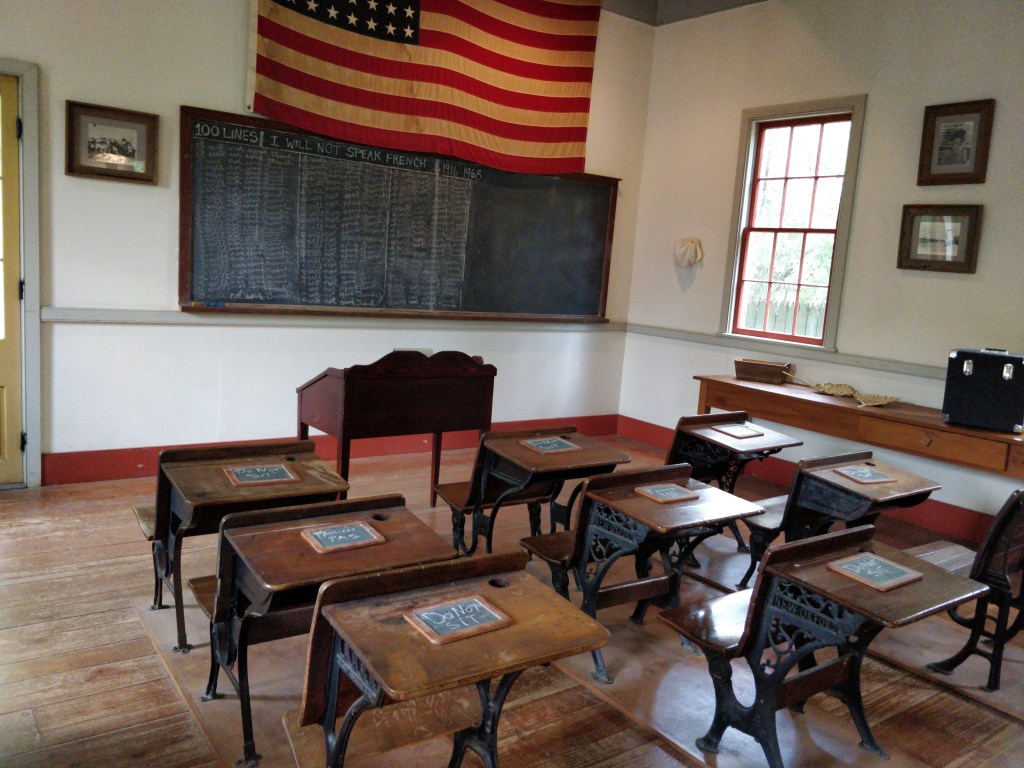
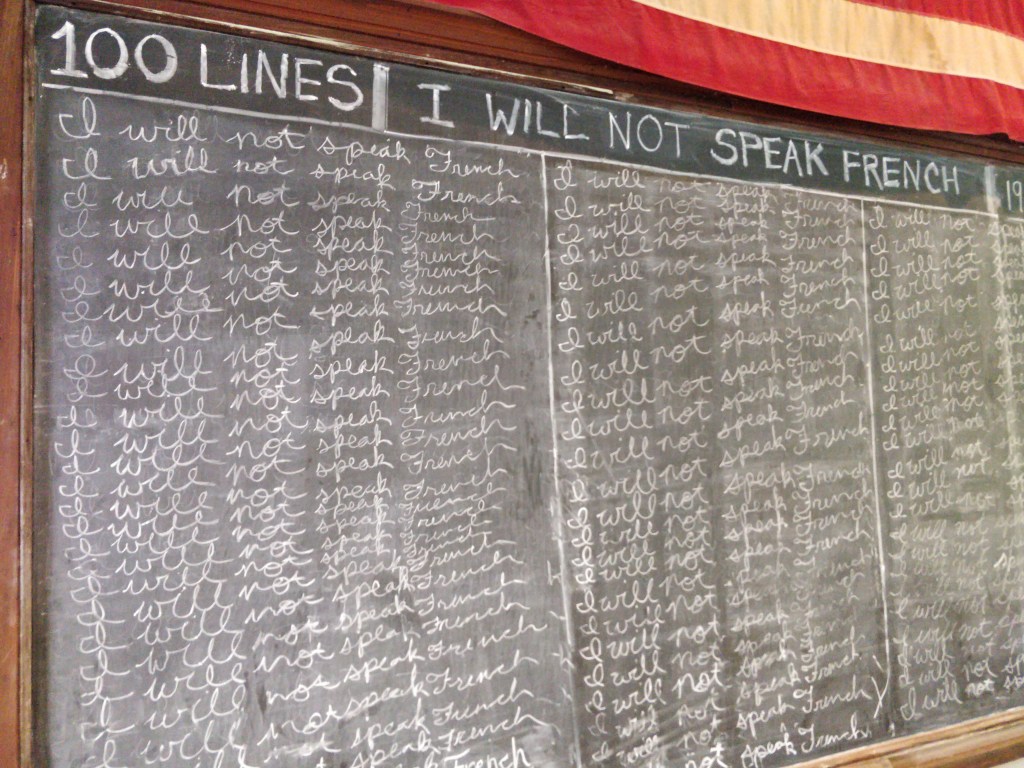
In 1916, the speaking of French was suppressed in schools carrying stiff punishments for the children.
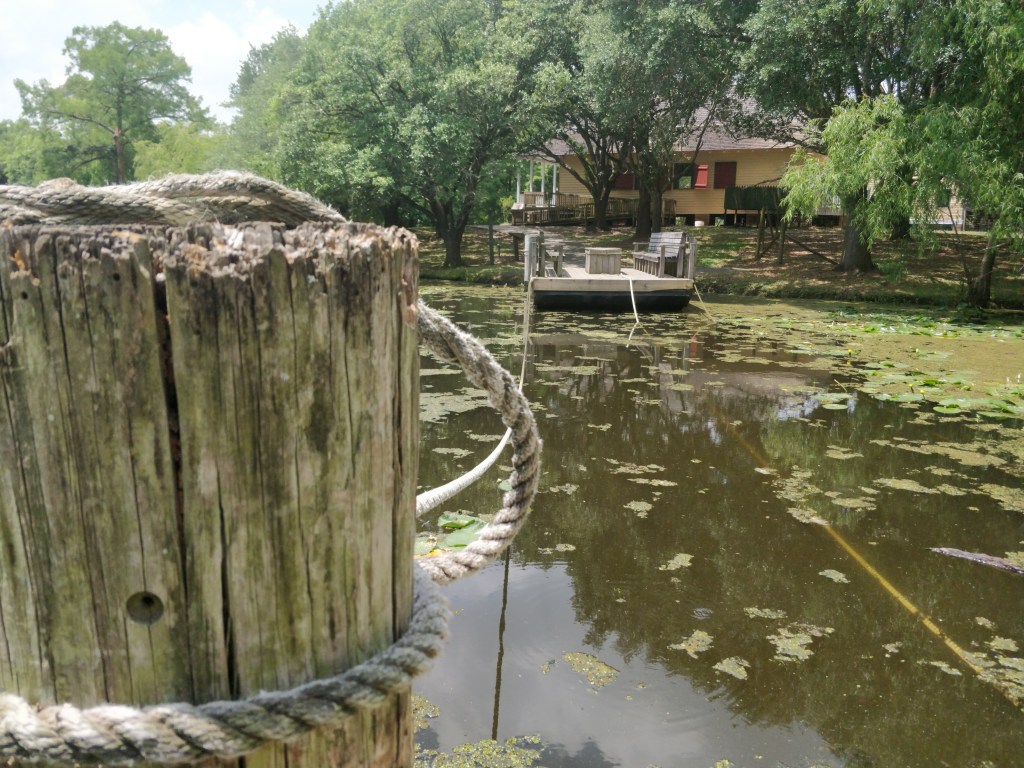
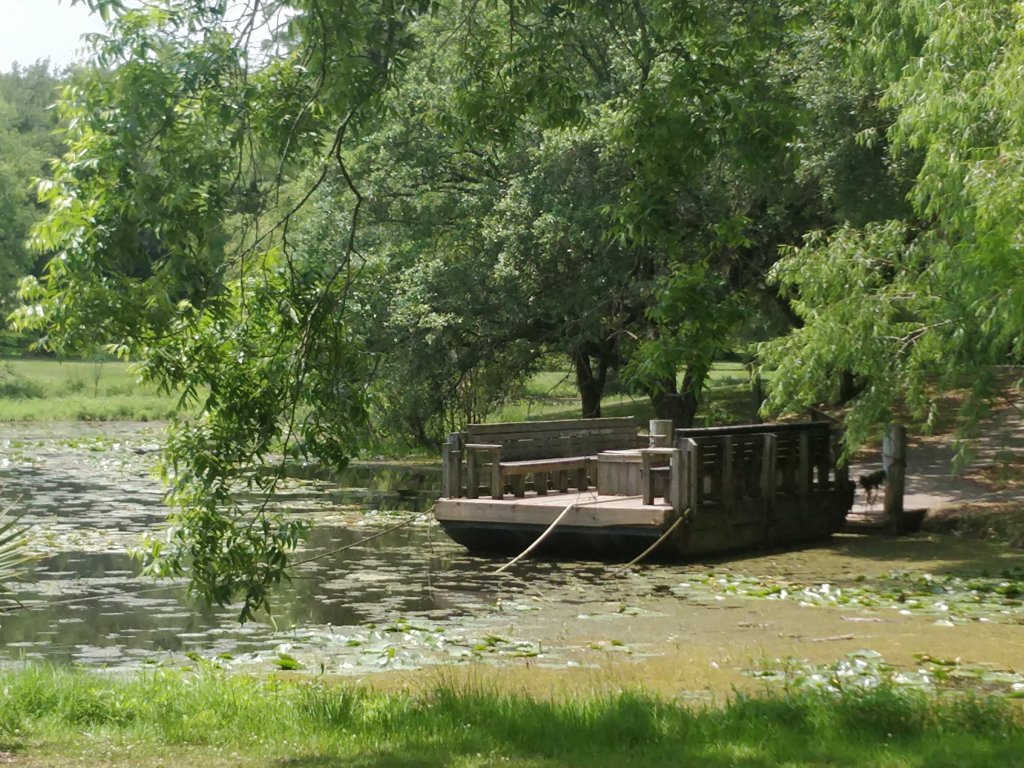
The town even had a working manual ferry
The Choctaw Tribe welcomed the displaced Acadians and taught them how to survive the harsh environment. Disease played a major factor in the reduction of the tribal population although they still maintain a presence in the area today.


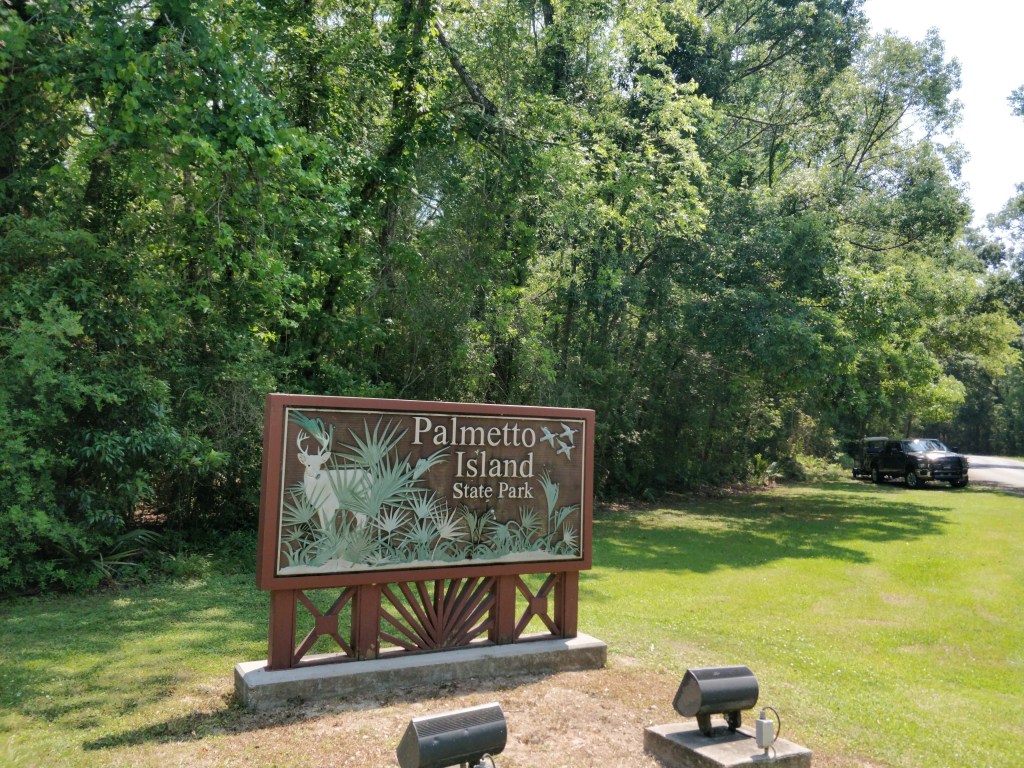
Palmetto Island State Park, Abbeville, LA
Our stay at the beautiful Palmetto Island State Park took us deeper into the swamp and Cajun country. Our campsite felt like we were in the middle of a jungle!
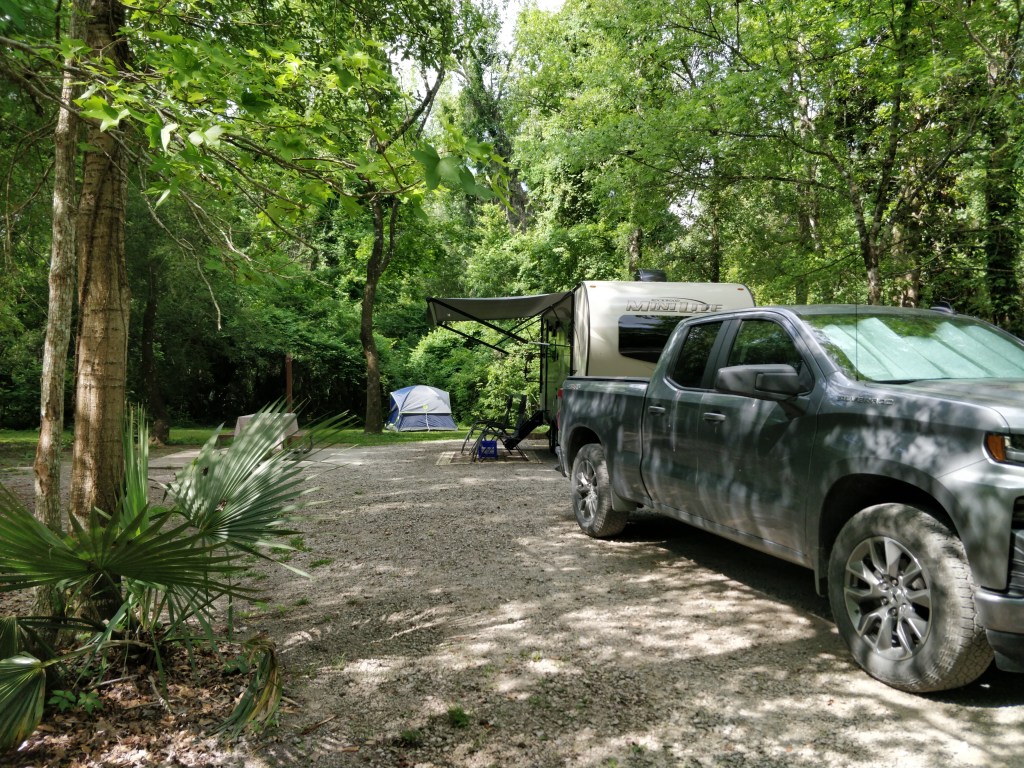
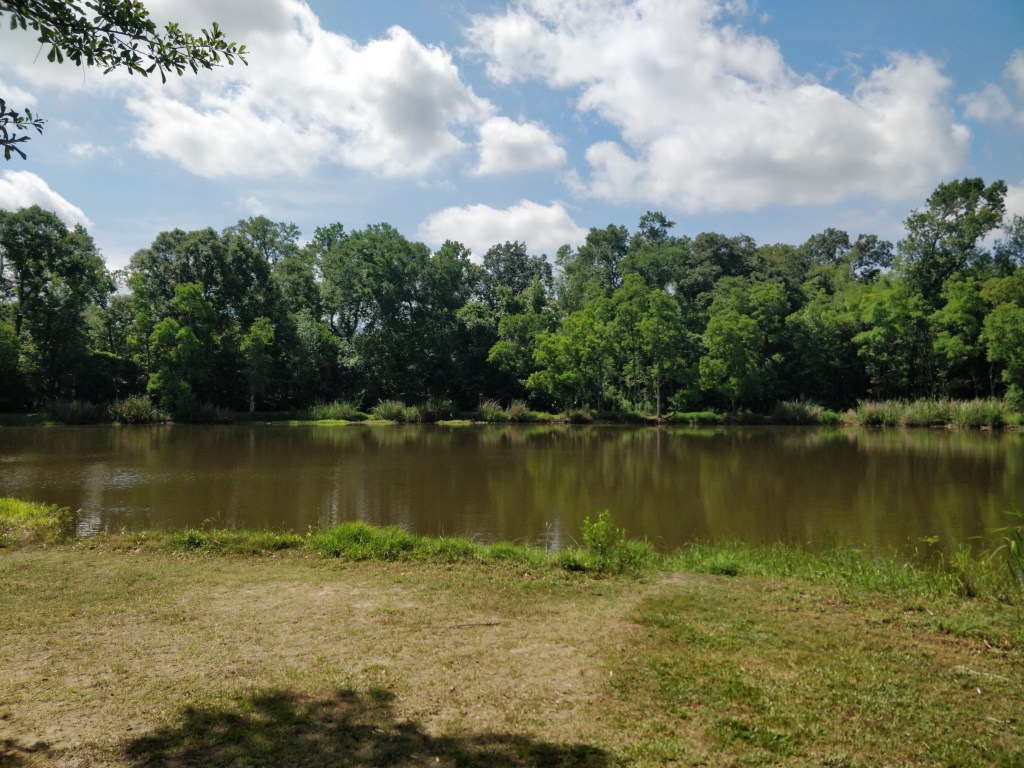
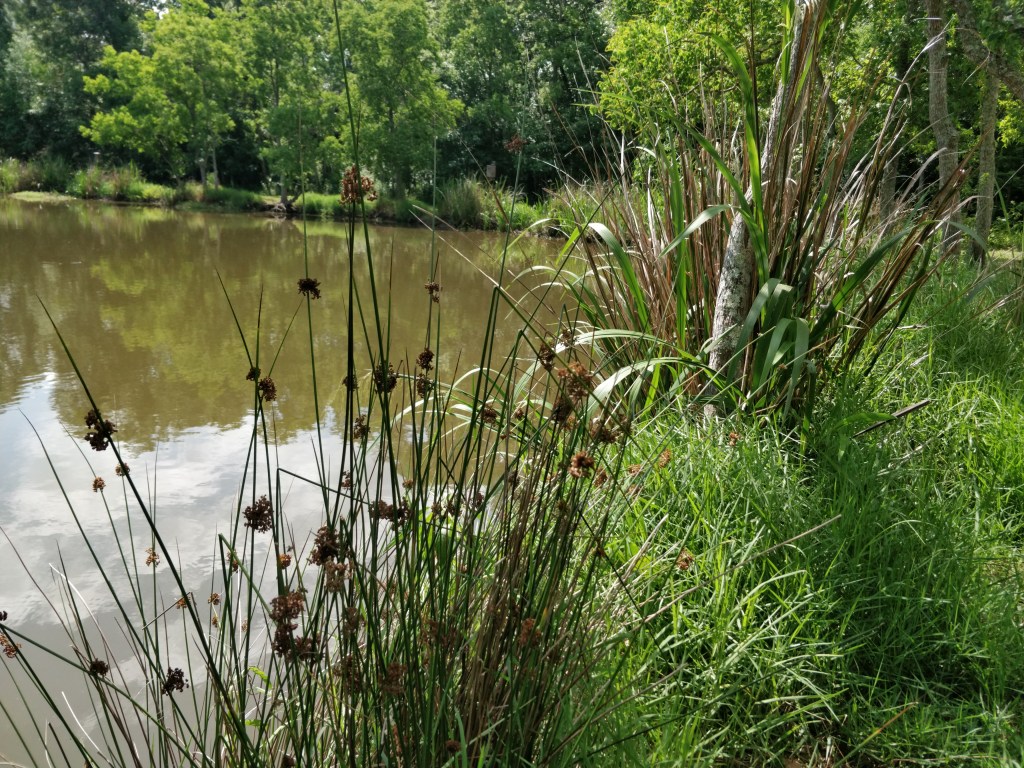
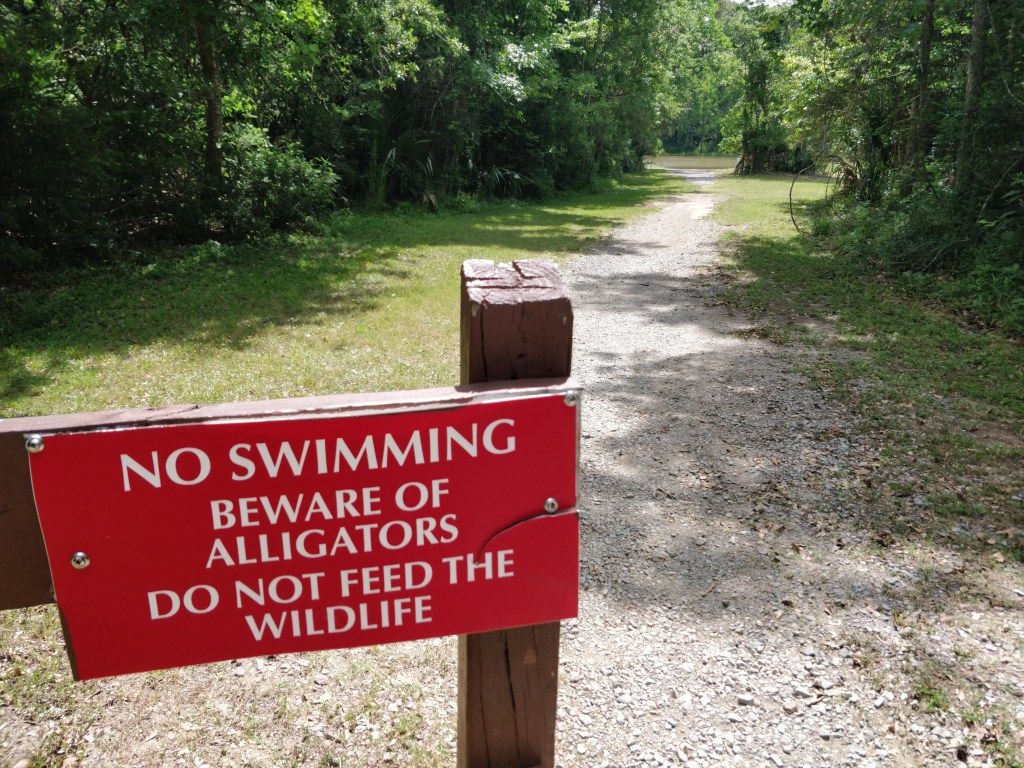
We had a few unusual wildlife encounters in the park. A dragonfly landed on one of our shoes and stayed there for several minutes. Every morning, a yellow warbler (Prothonotary) and a red cardinal kept fluttering at our truck’s side mirrors thinking there was a rival on the other side. The warbler soon gave up, but the cardinal kept at it for hours! A pair of wrens started to build a nest in the crook of our awning support one afternoon.
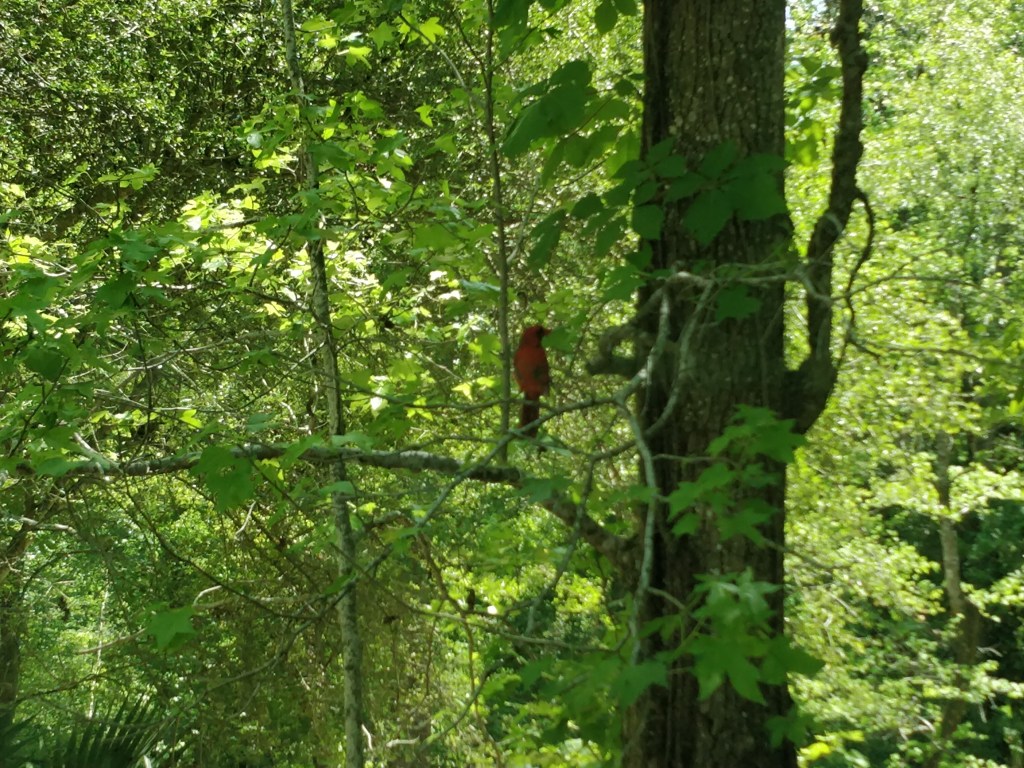

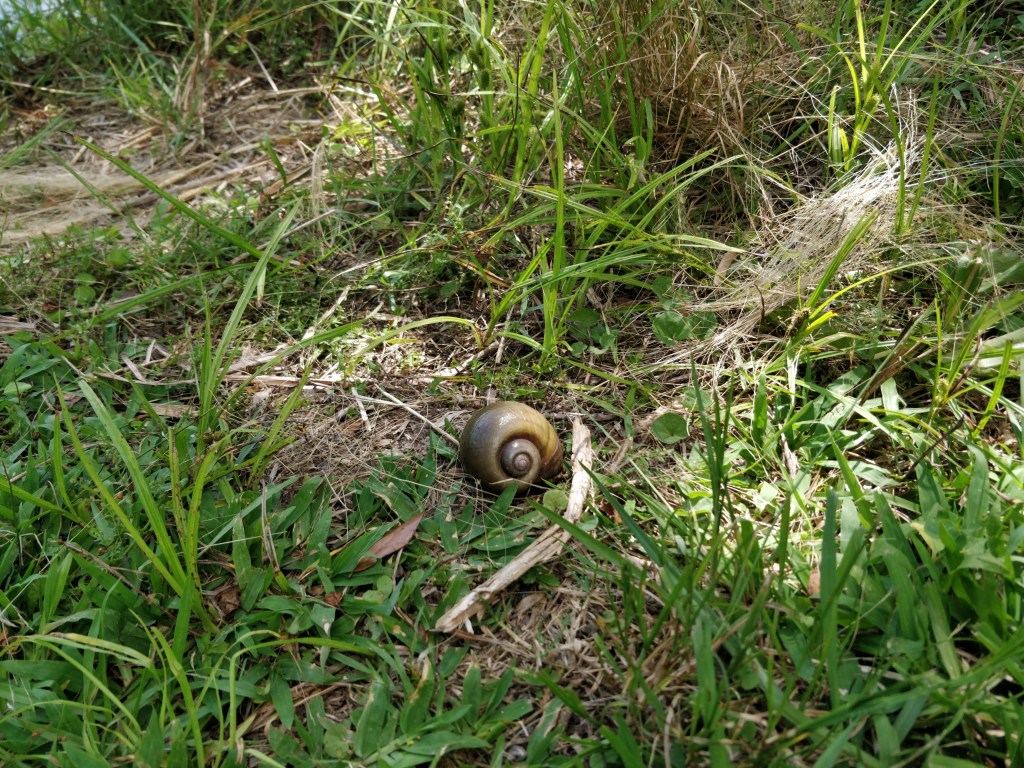
Trails around the park were well marked and easily accessible from camp and provided even more wildlife encounters.

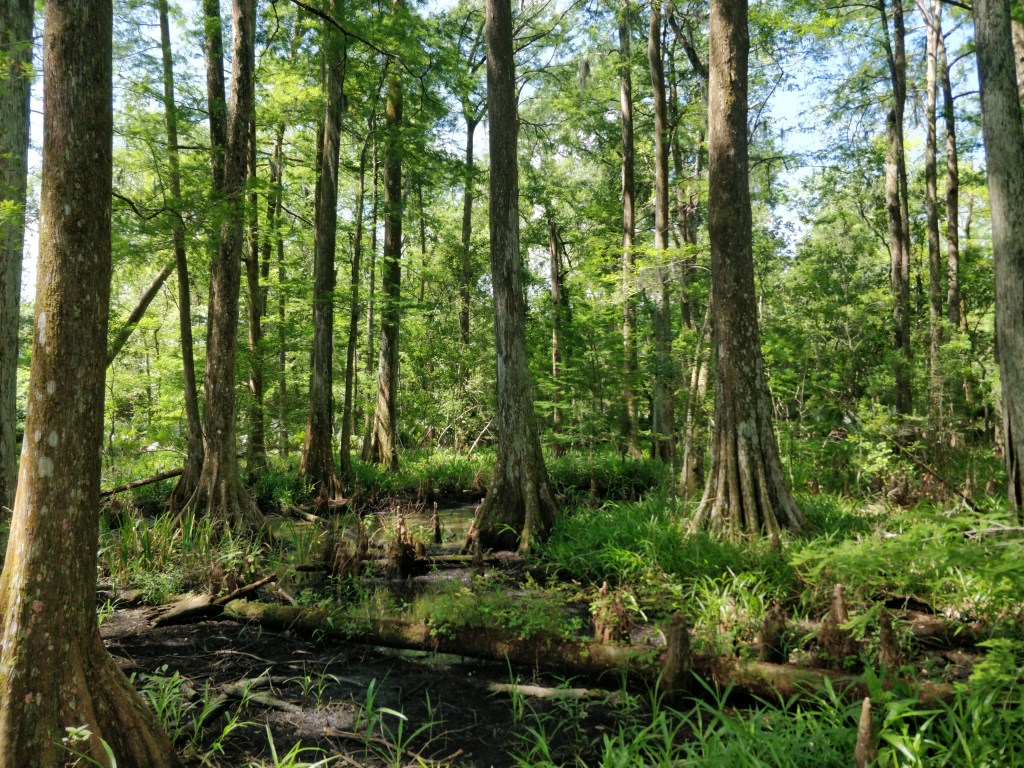
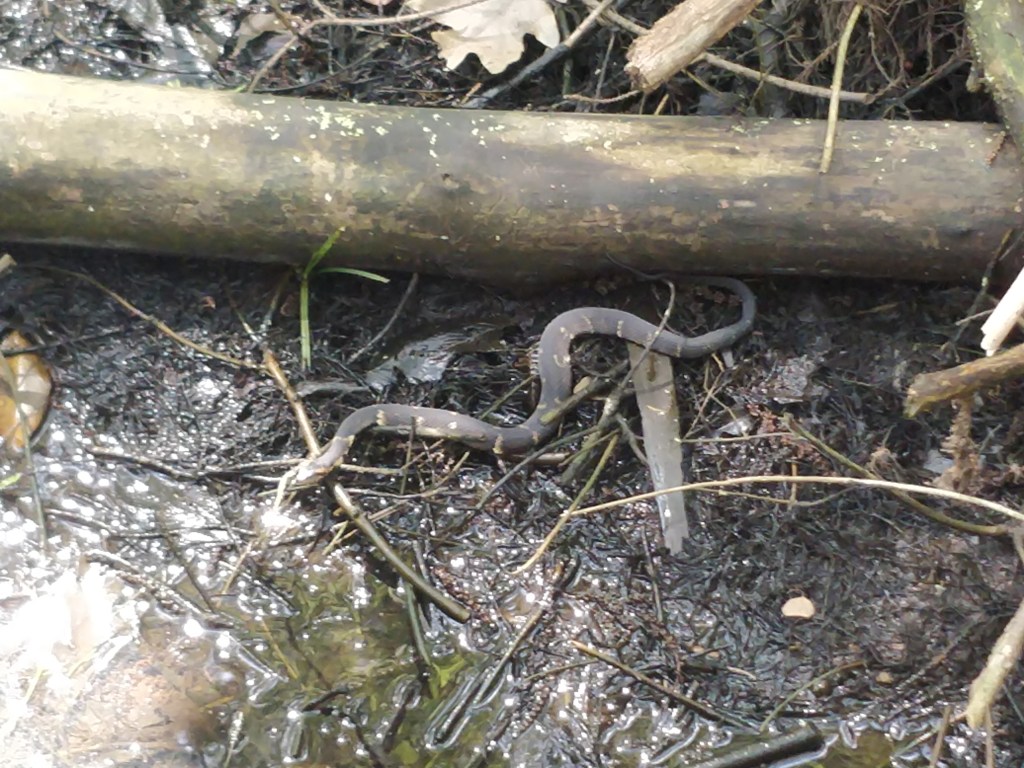
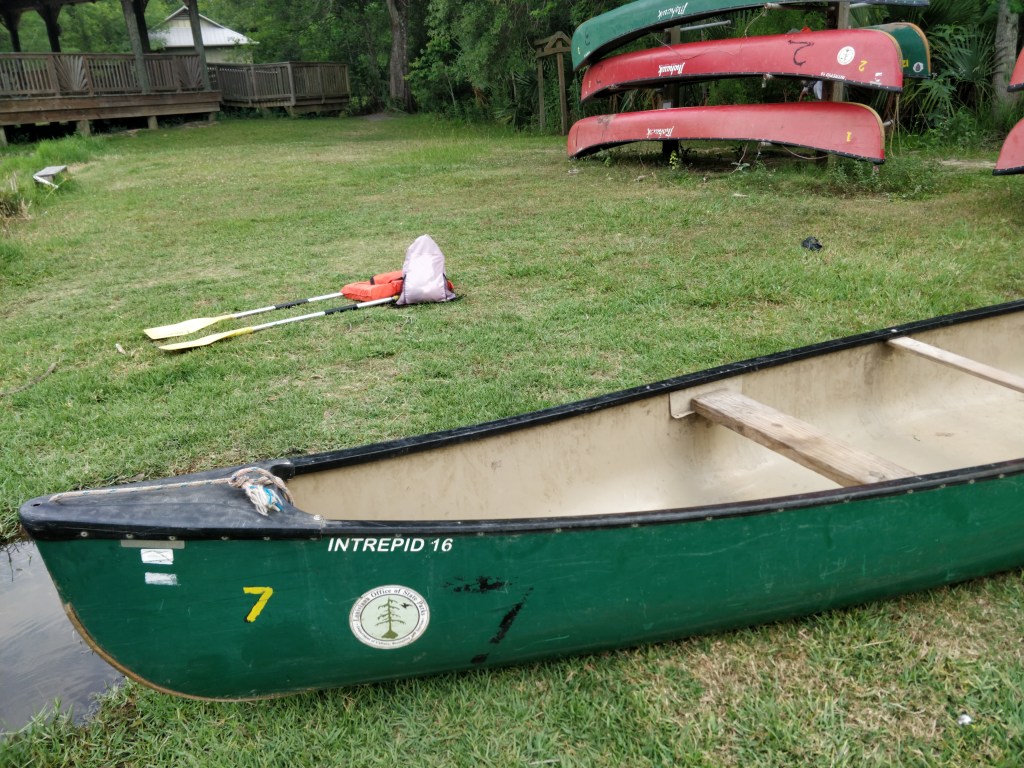
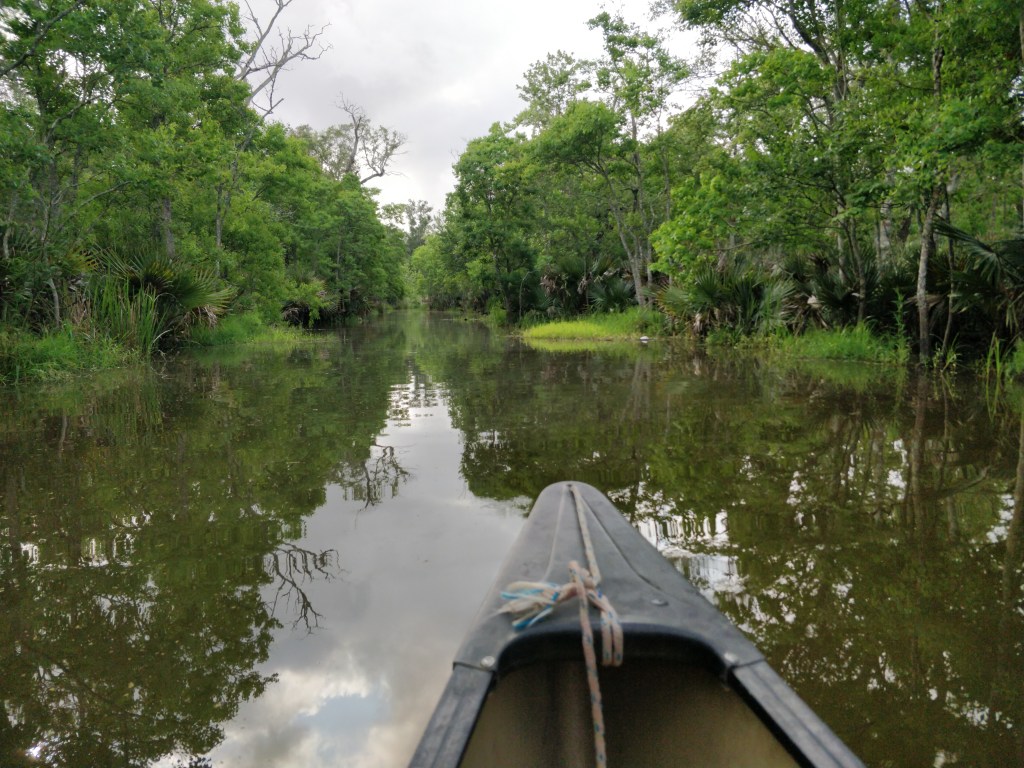
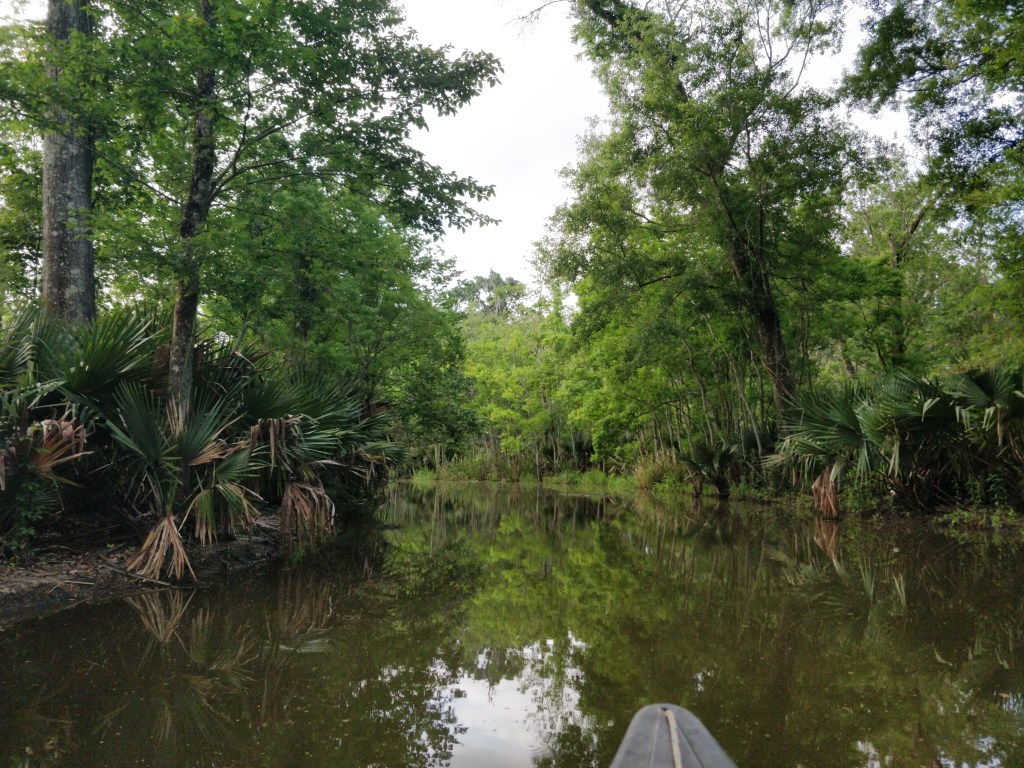
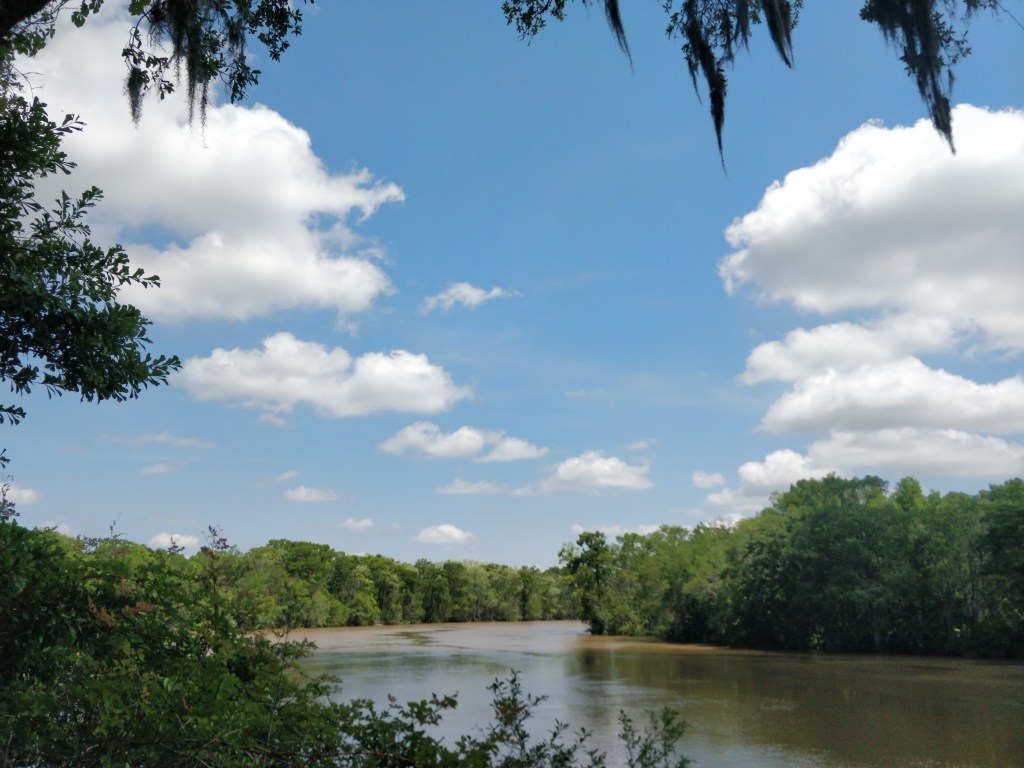
We rented a canoe one morning and paddled a waterway between three ponds (one named… Evangeline!) and the Vermilion River. We surprised a VERY big alligator in one of the channels that thankfully rolled and disappeared into the reeds at the edge of the water by the time we floated over the spot. We saw a pileated woodpecker, blue heron, vulture sitting on a branch overhanging the water, fish jumping, and we heard many different frogs, and contended with black flies.
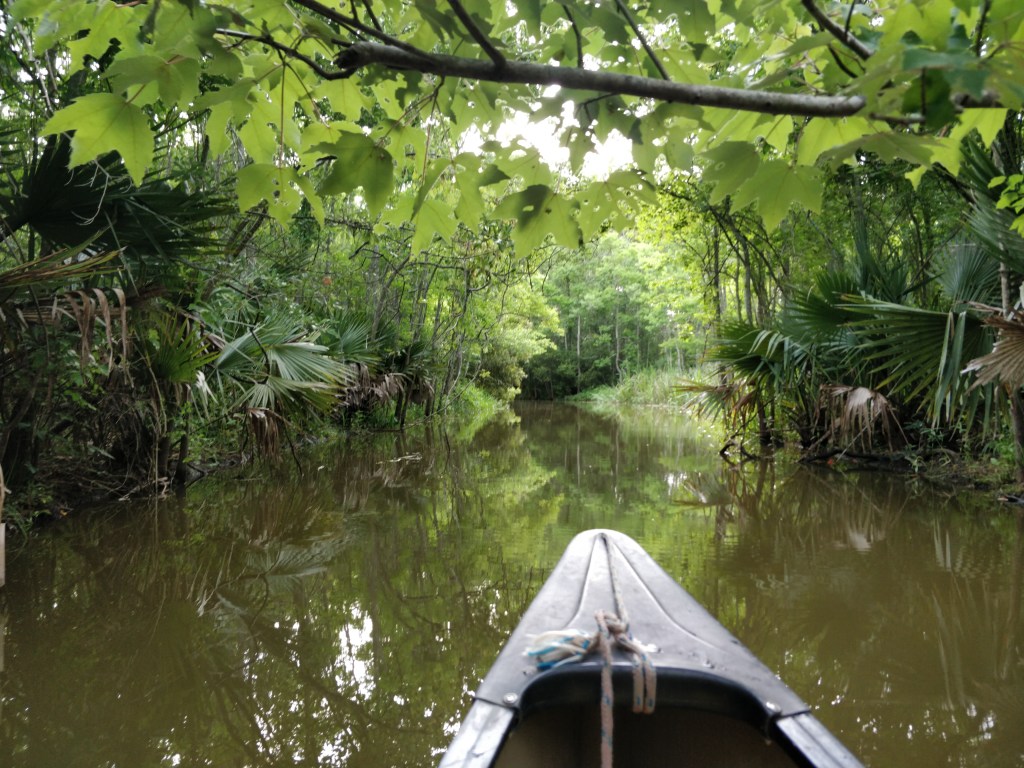

More Swamp discoveries
This mound is made by crawfish. We saw many of these from Alabama to eastern Texas on the trails near water sources. They seem to be a favorite thing to eat by humans and armadillos alike. We saw crawfish traps in the swamp as well as managed crawfish ponds (like rice patties) where small paddlewheel flat bottom boats harvested from evenly spaced submerged cages.

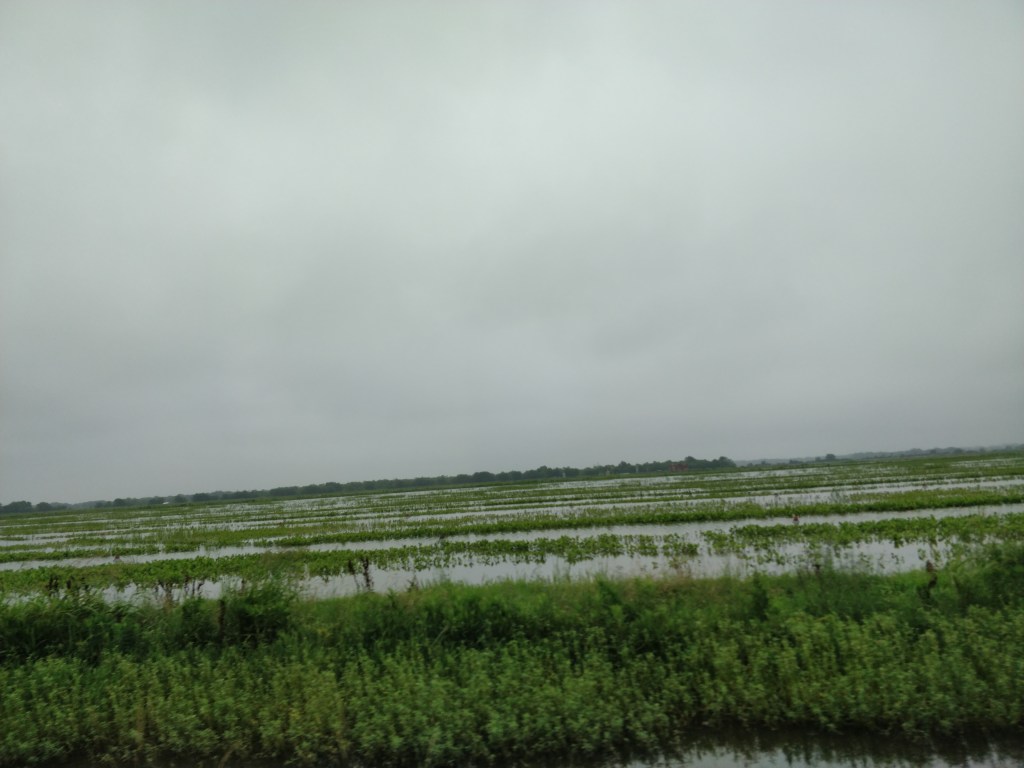
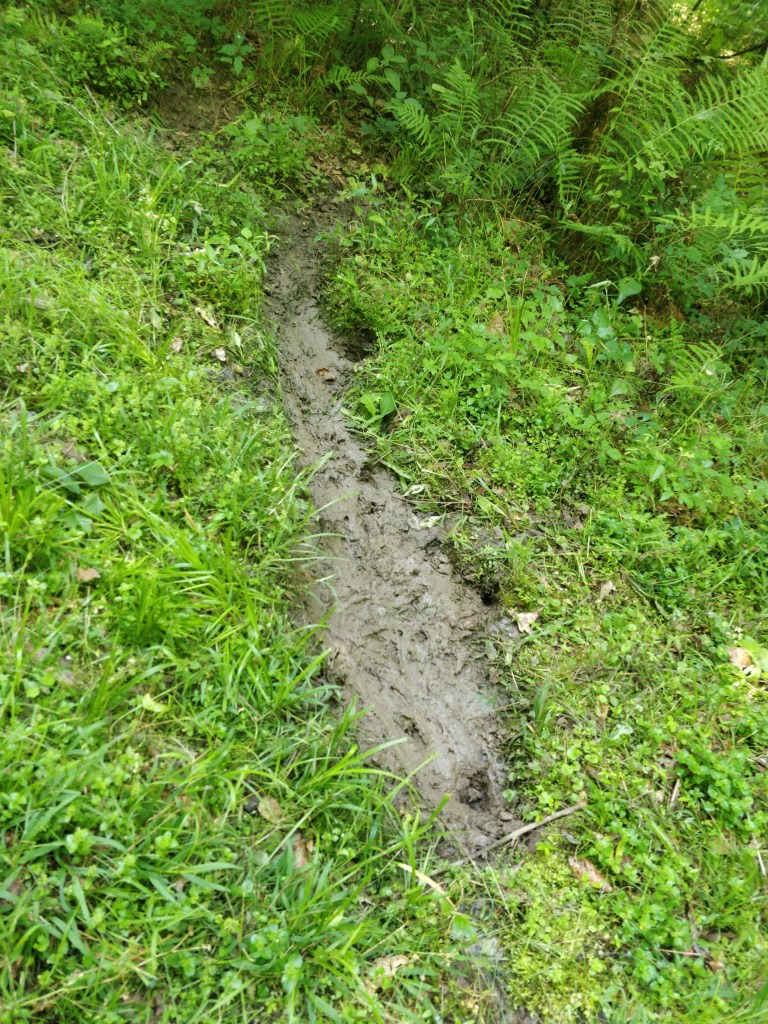
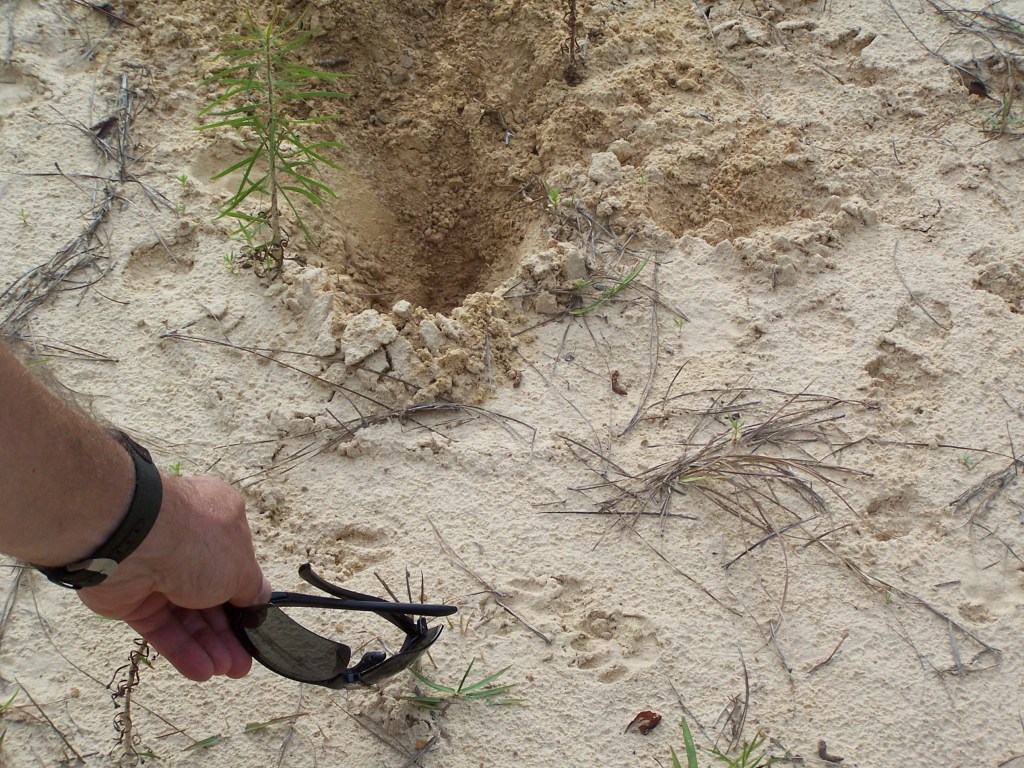
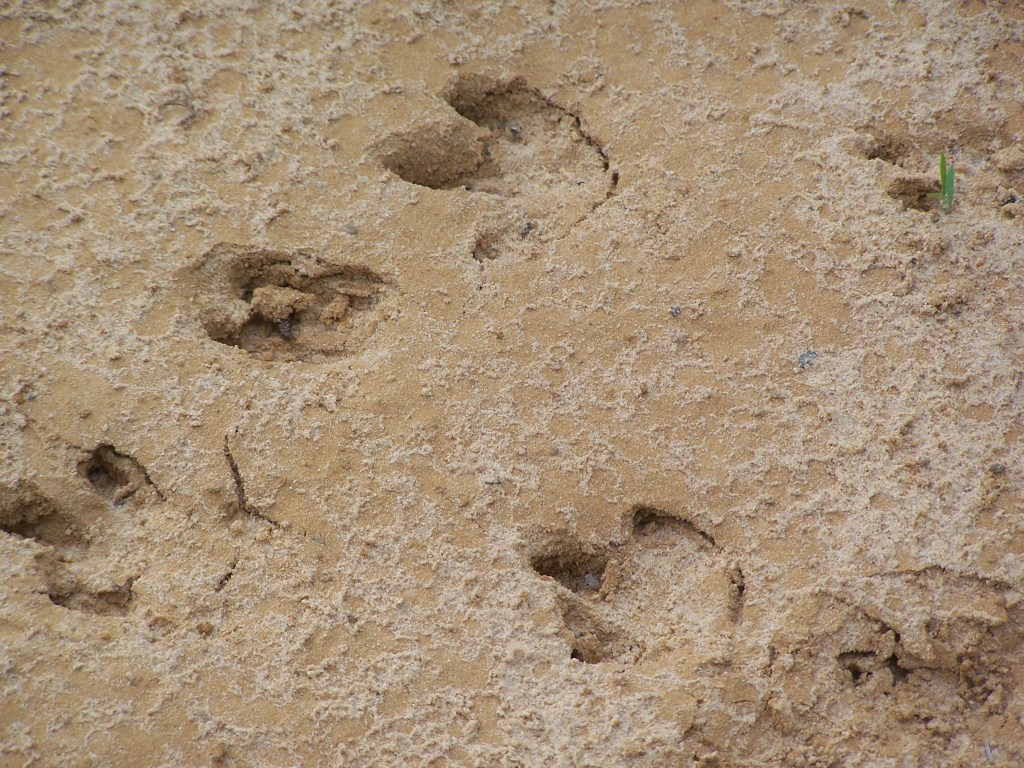
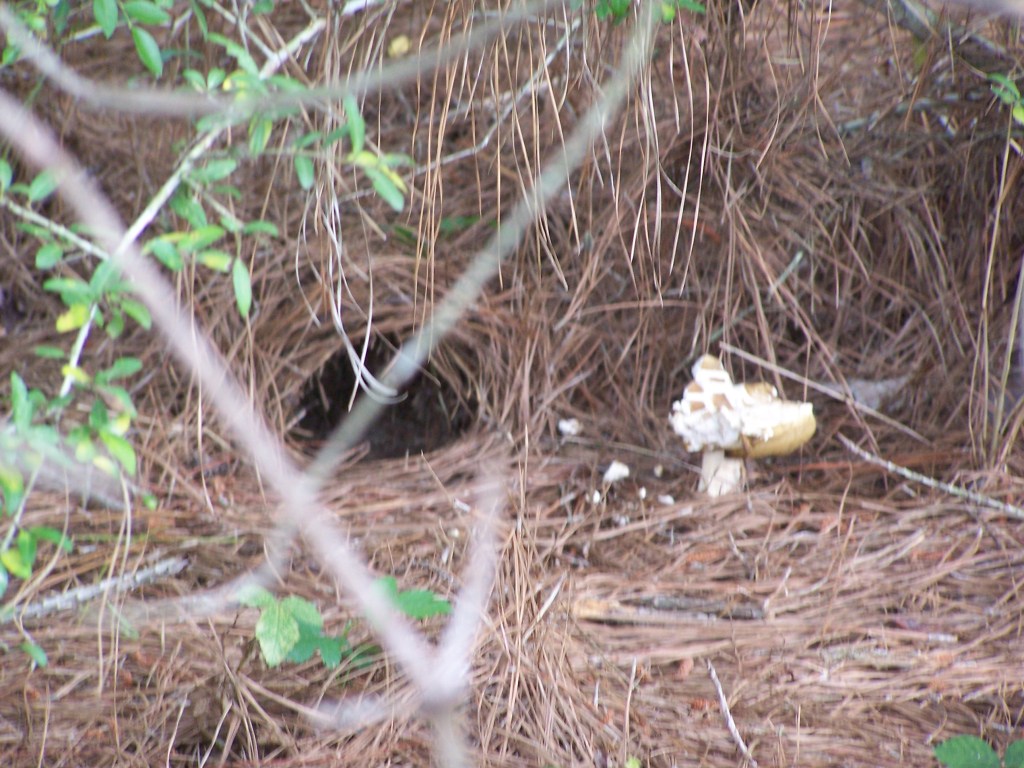
Where there isn’t water, the ground is sandy with light brown and reddish powdery soil. Much to our delight, animal tracks made in the wet weather harden and are preserved as the ground dries. The river-swamp wetness provided a variety of tracks which in turn led us to finding other remnants of activity.
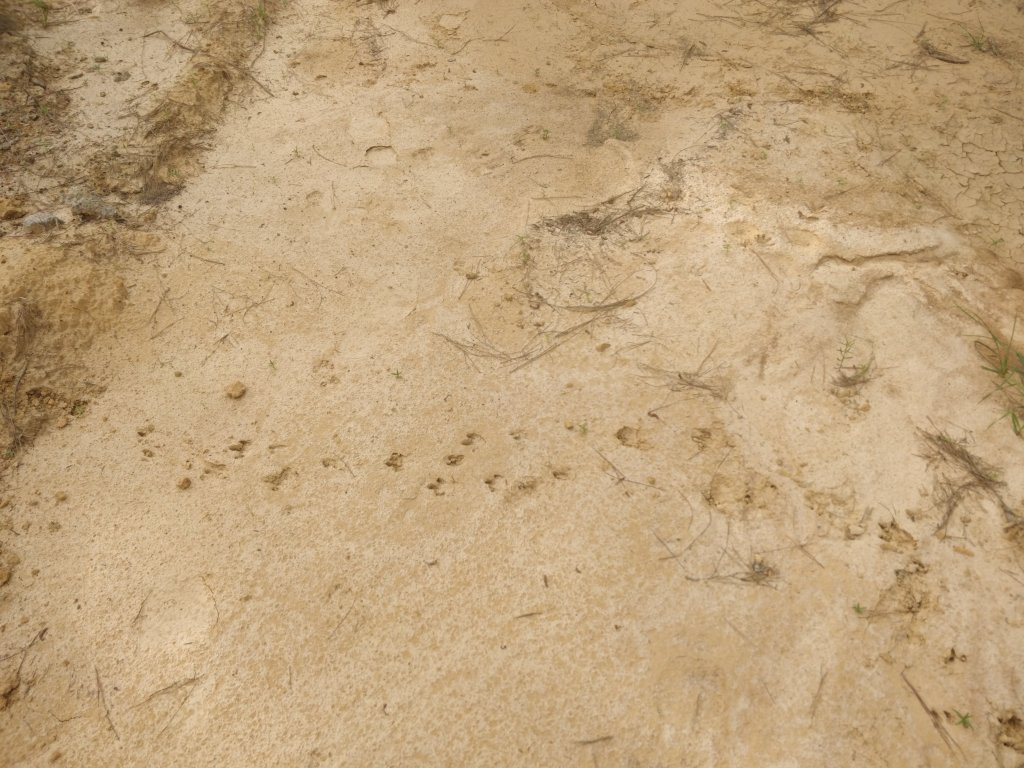
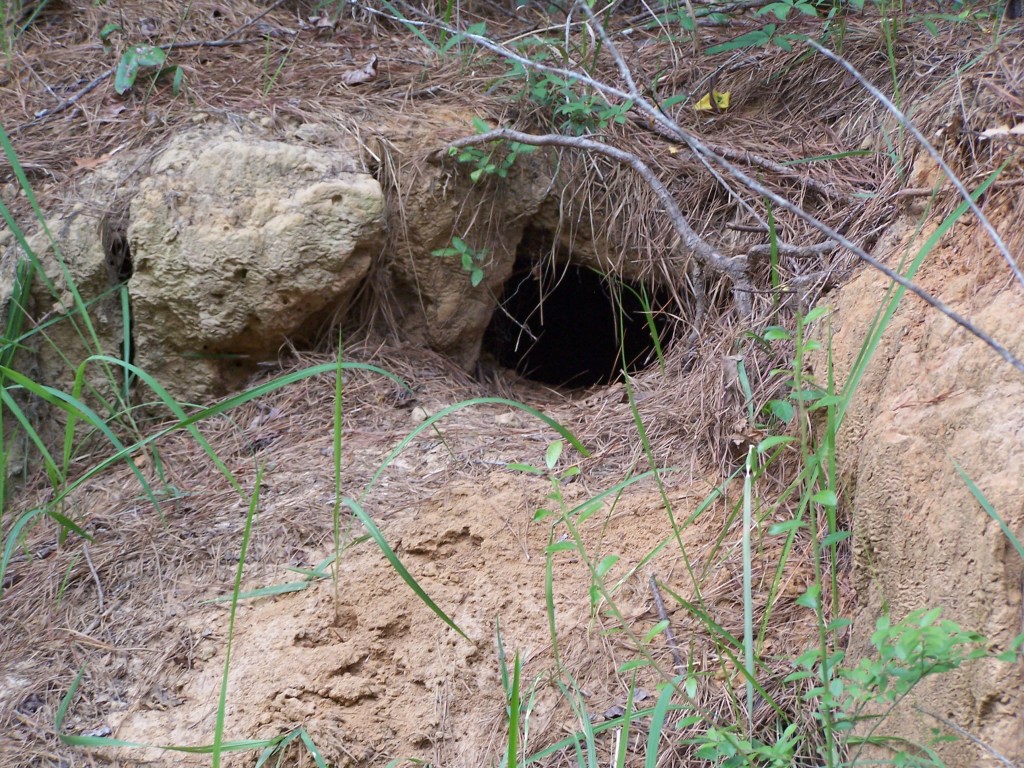
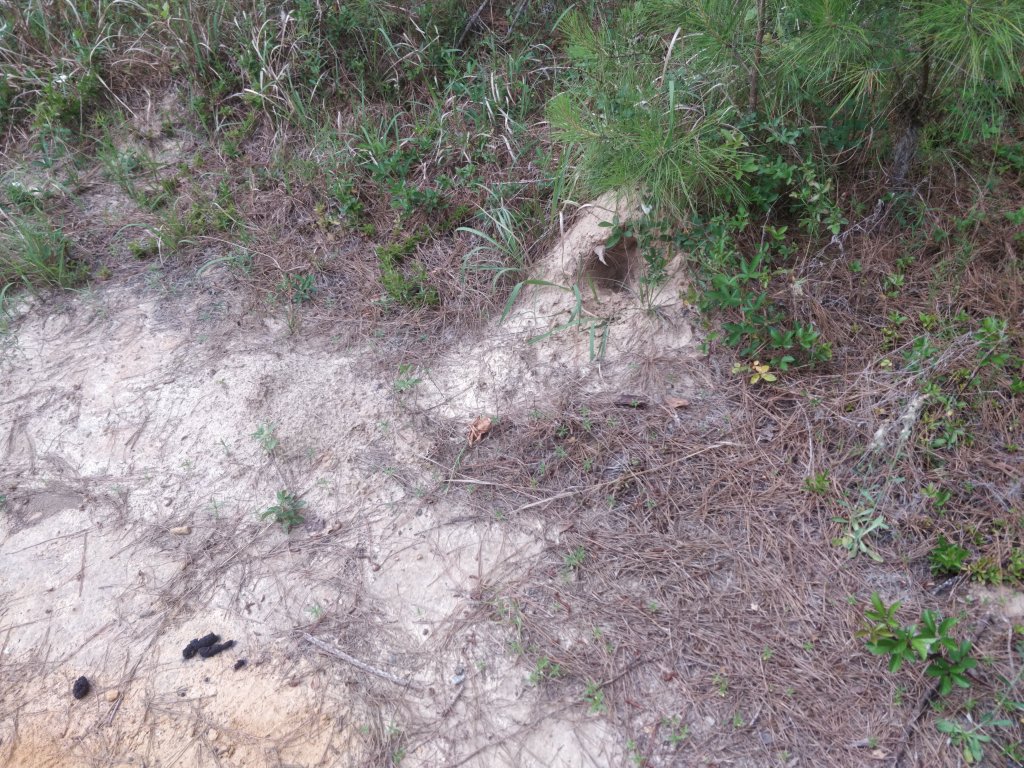
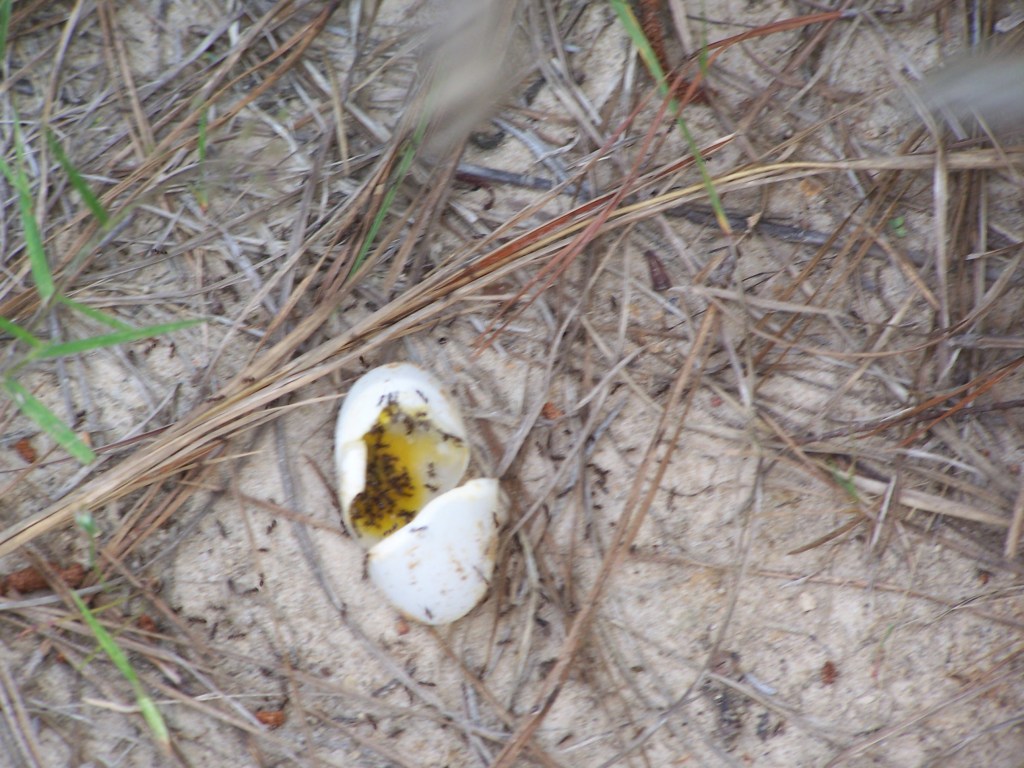
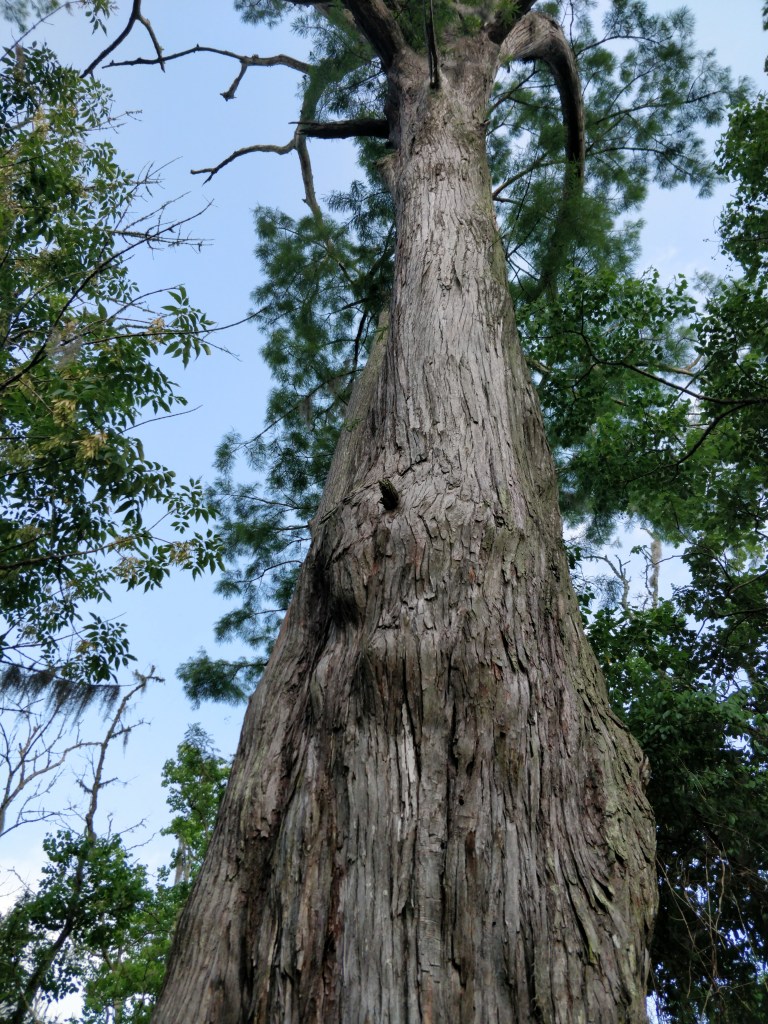
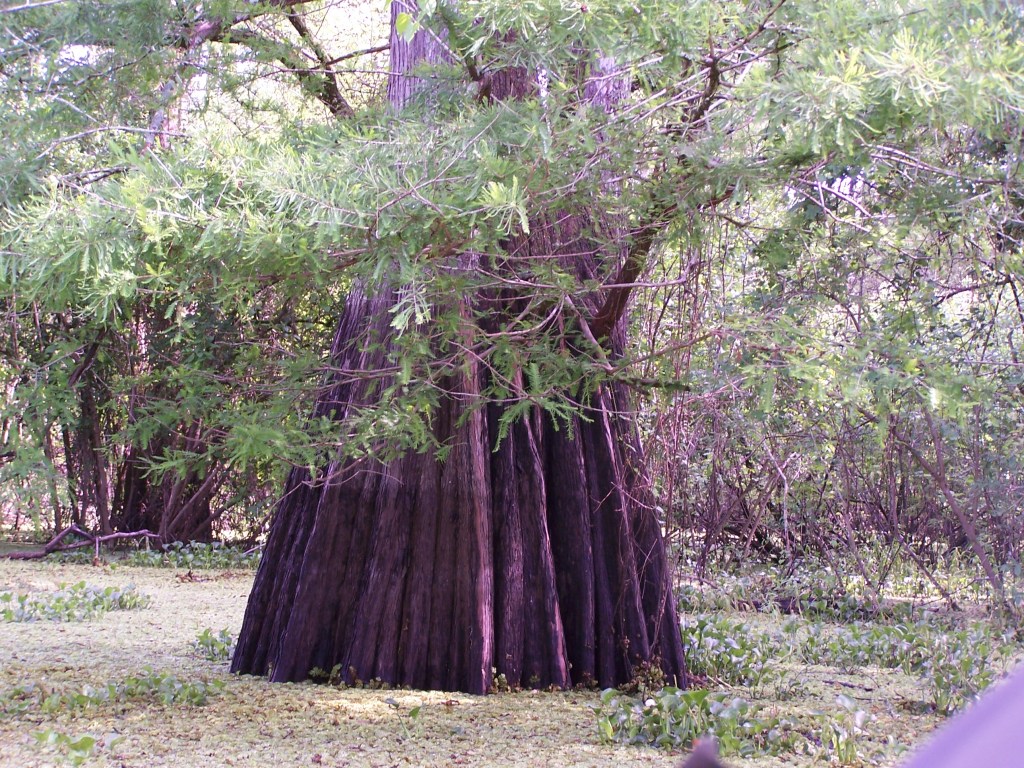
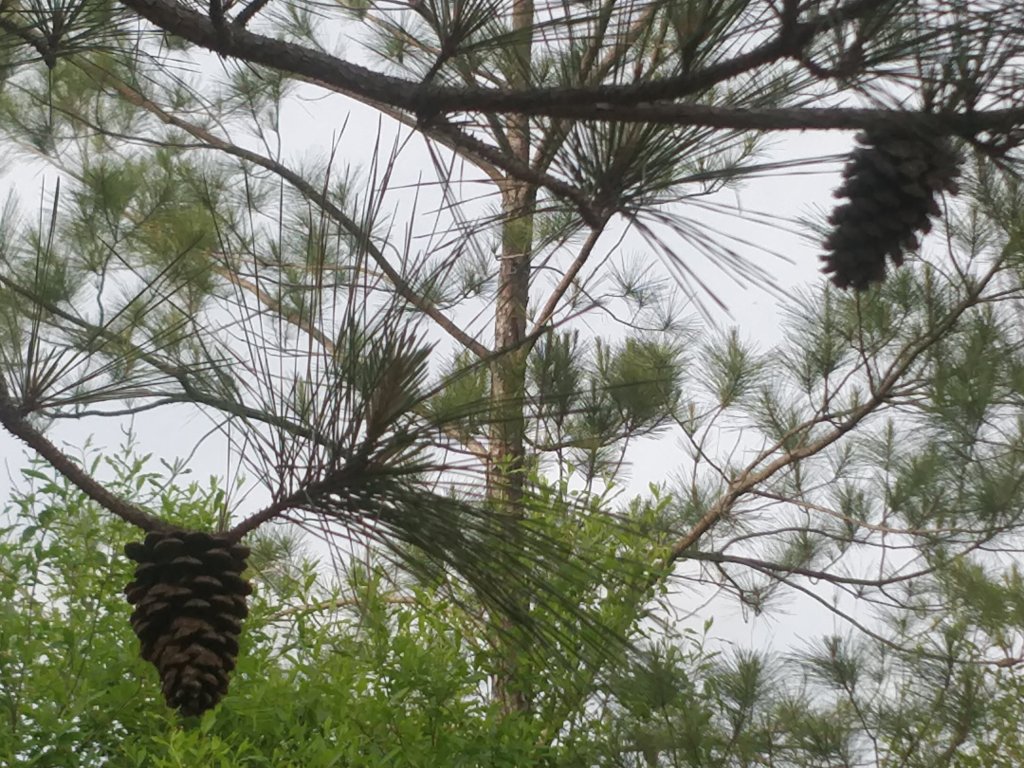
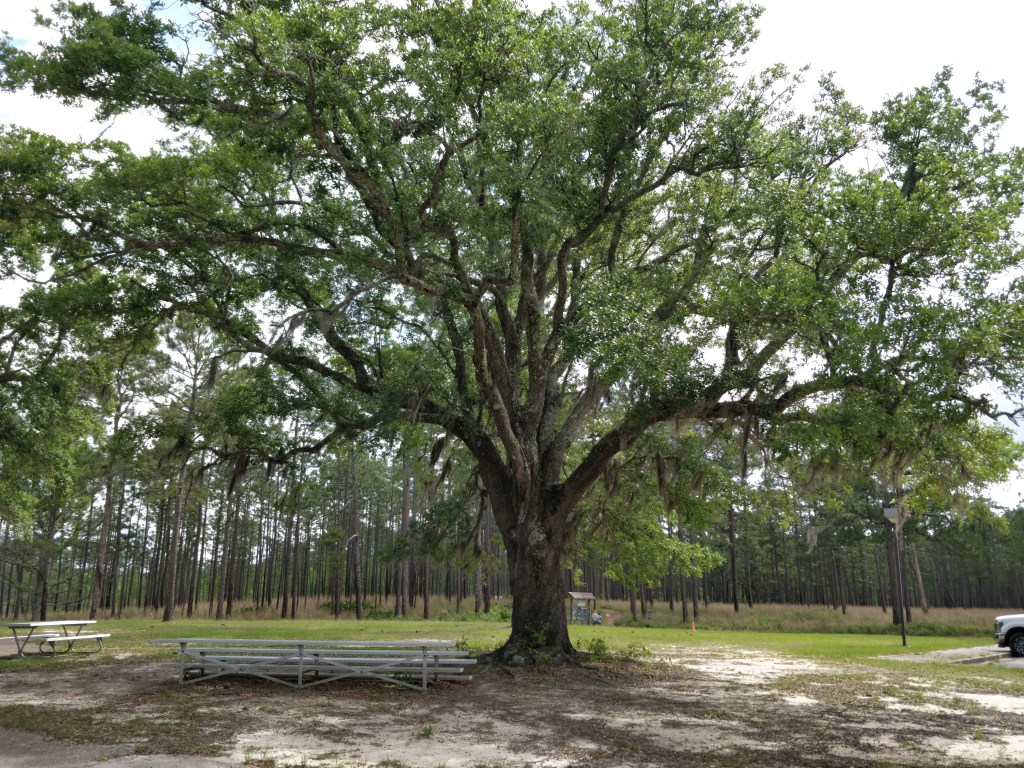
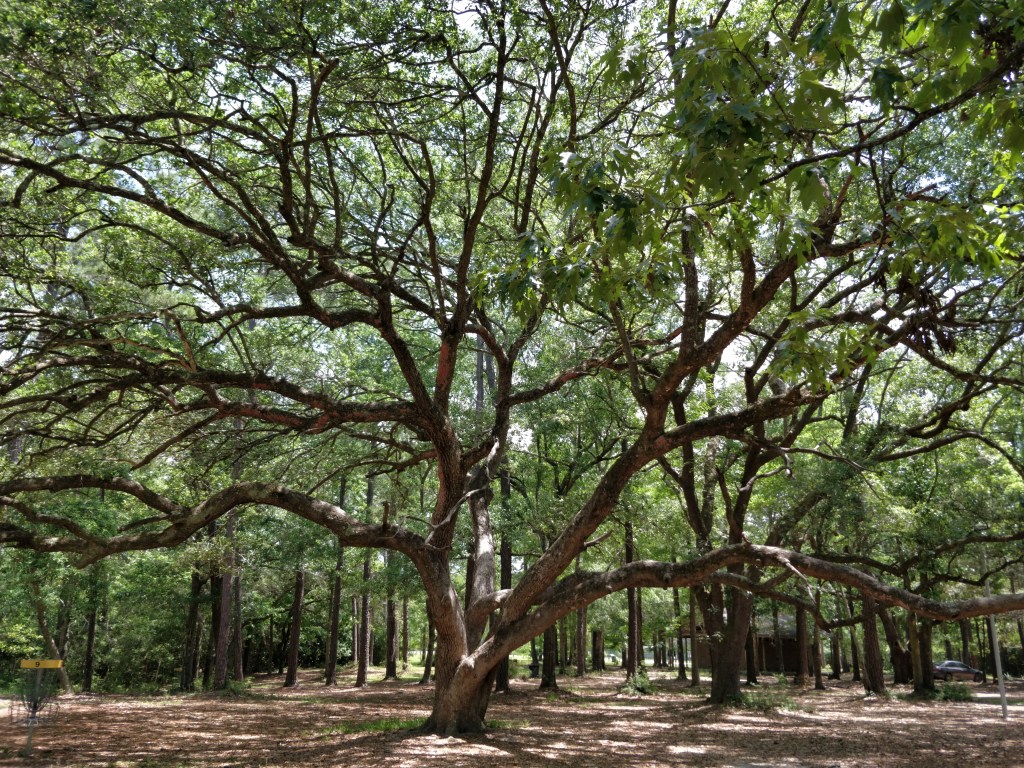
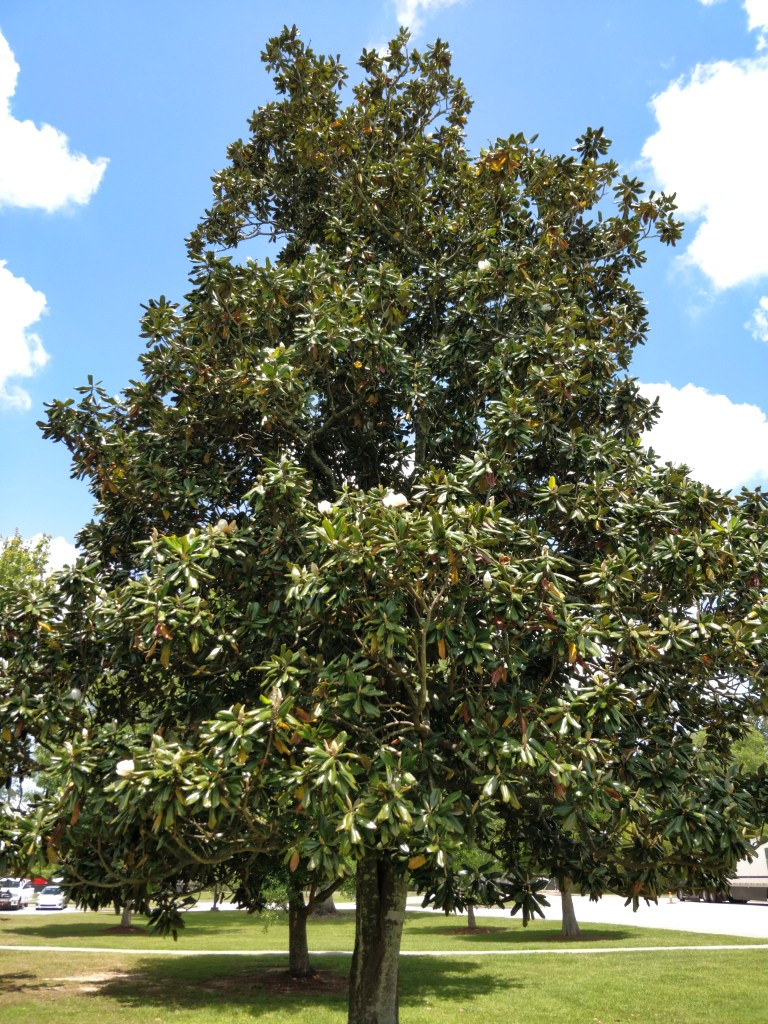
Trees in the river swamp bottomlands include cypress, oaks, long leaf pines, magnolias, birch and beech. Trees shrouded in Spanish Moss provide the beautiful and uniquely iconic image of the South for me.
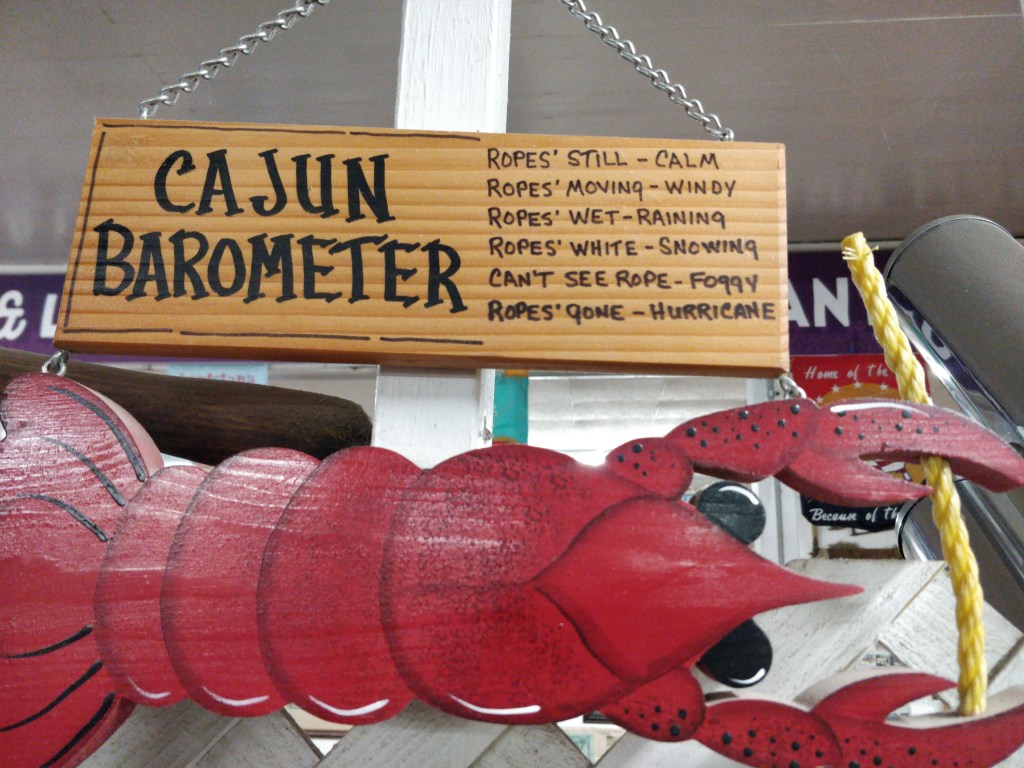
Since we were in the Cajun heartland, we tried several regional foods including alligator, brisket, catfish, and shrimp po’boys (sub sandwich), crawfish gumbo, red beans and rice, and boudin (sausages).
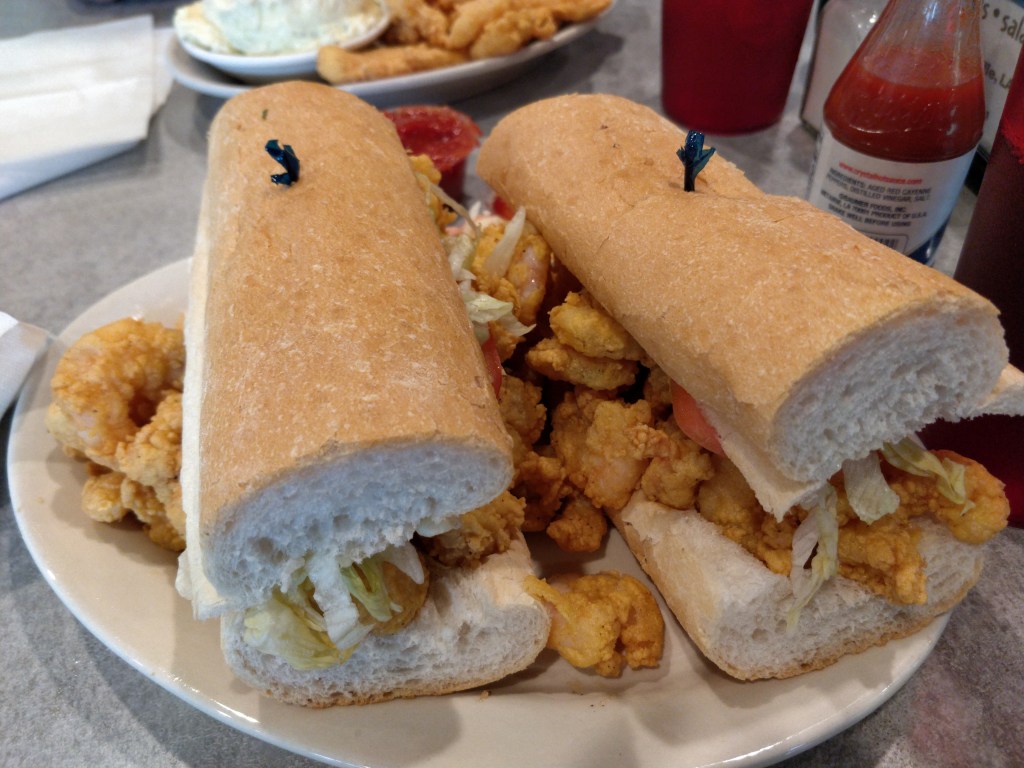
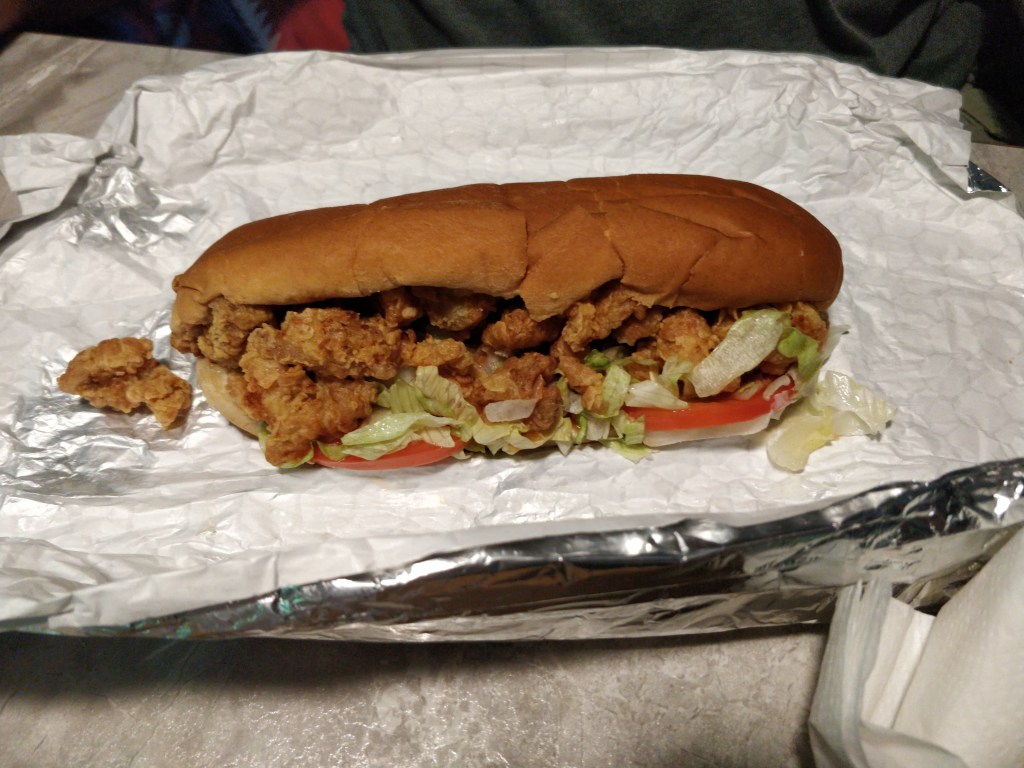
Featured in many prominent food review articles, Suire’s restaurant was worth the trip out in the country.
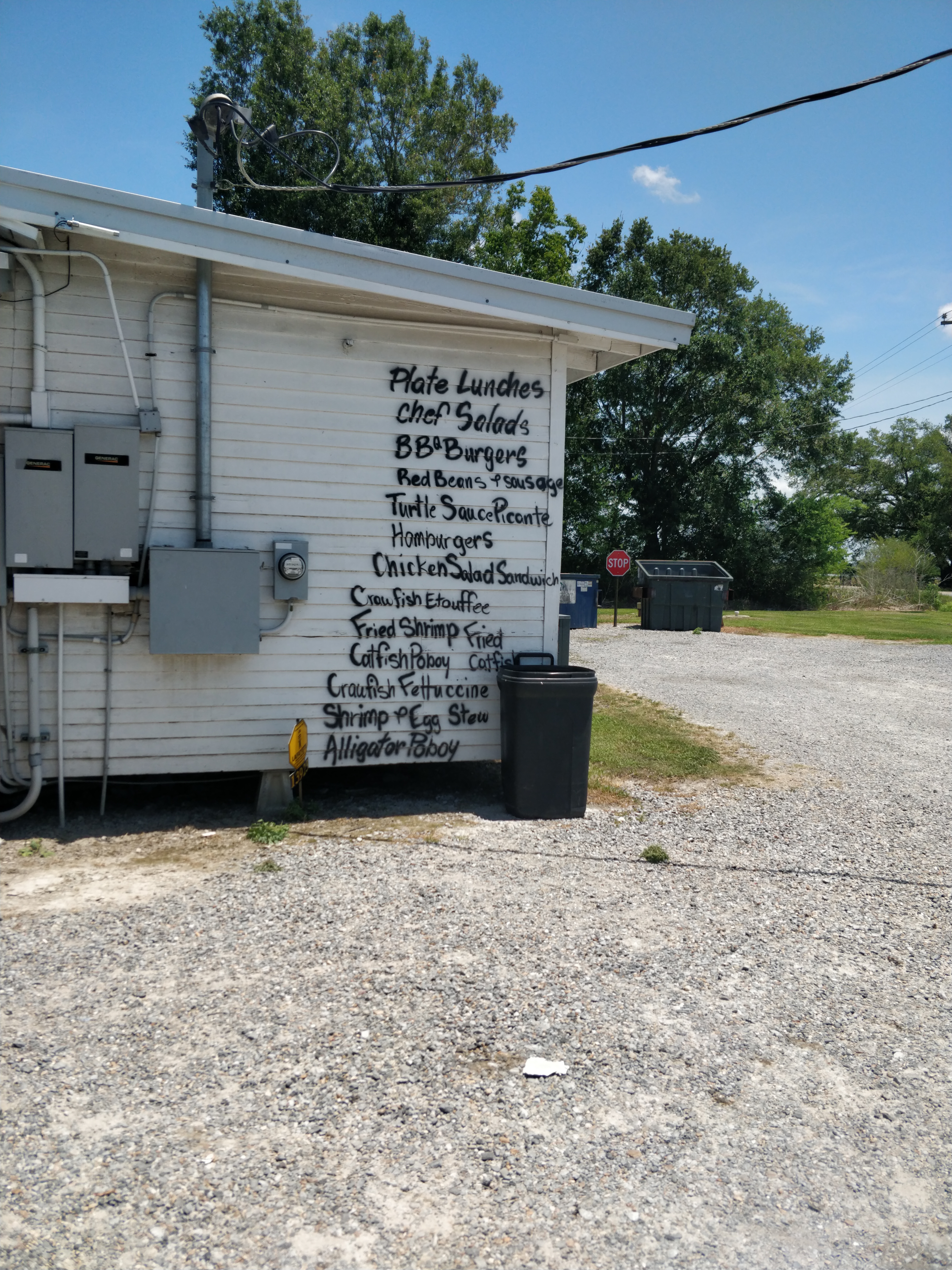
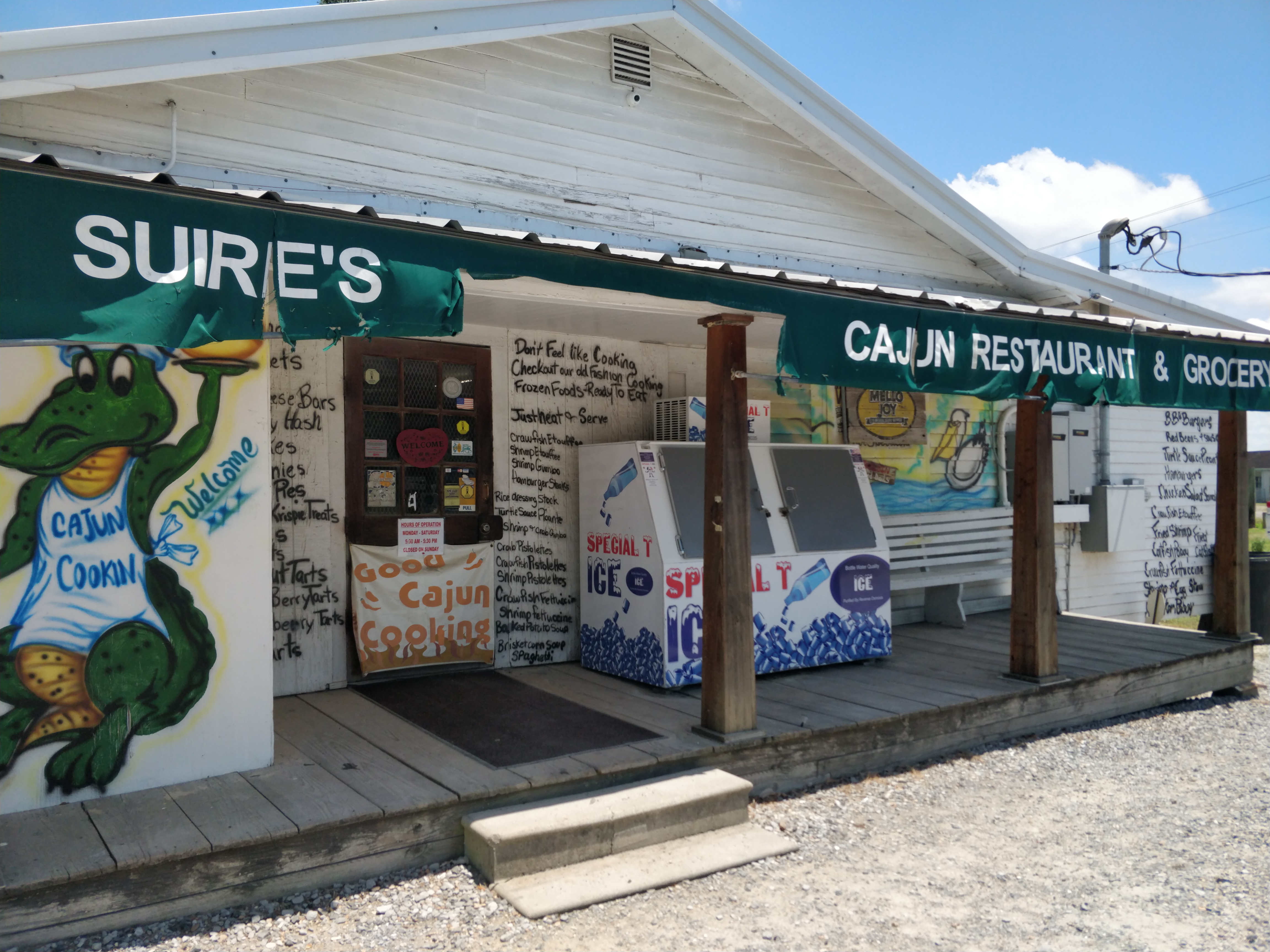
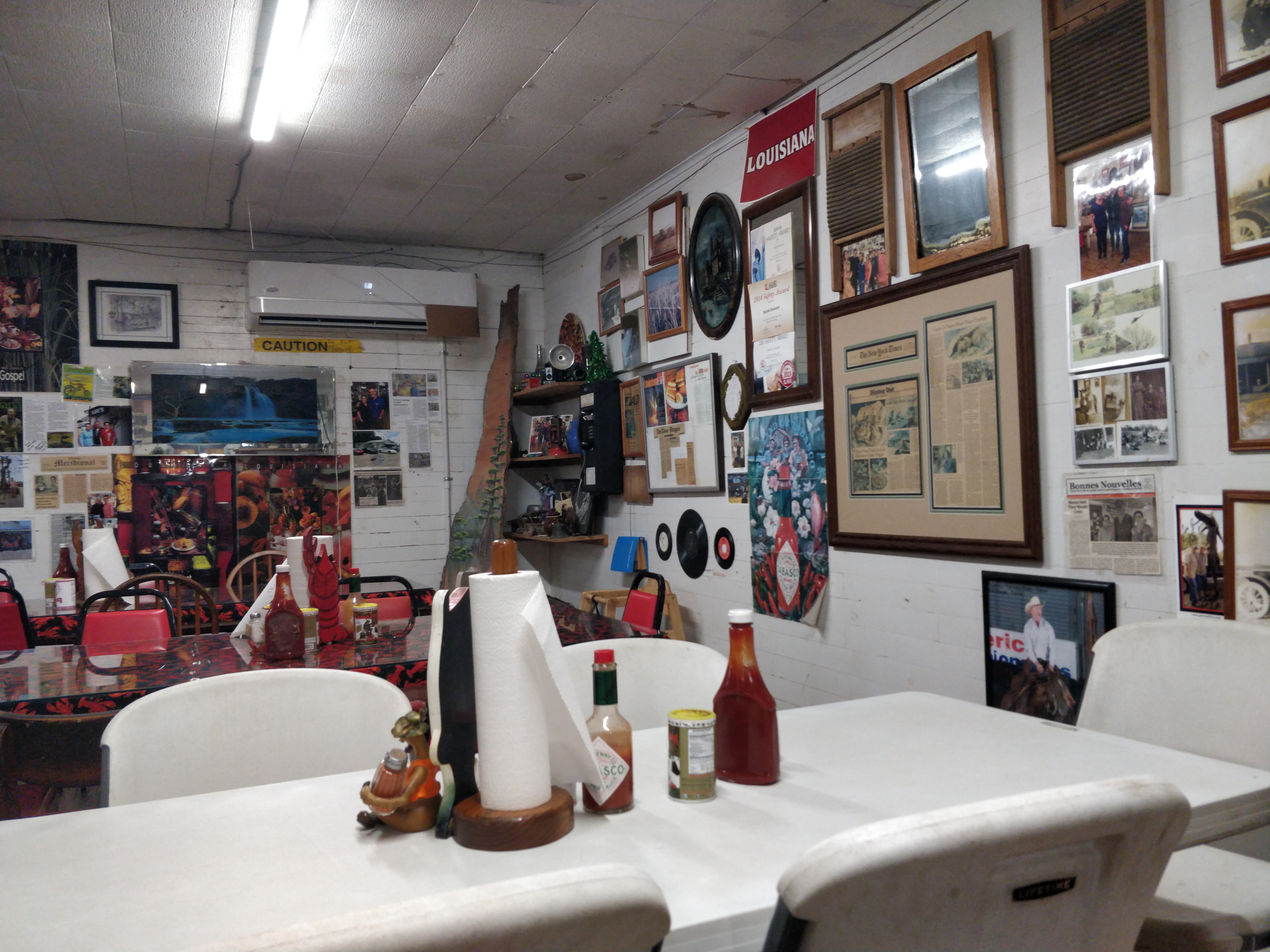
(Notice the menu has been spray painted at the rear of the building!)
We hope you enjoyed this look at the Mississippi and Louisiana river swamp region with TheirRVtravels. Please be sure to subscribe and we’ll send you an email notice each time we explore a new area.
Campground Review: Palmetto Island State Park
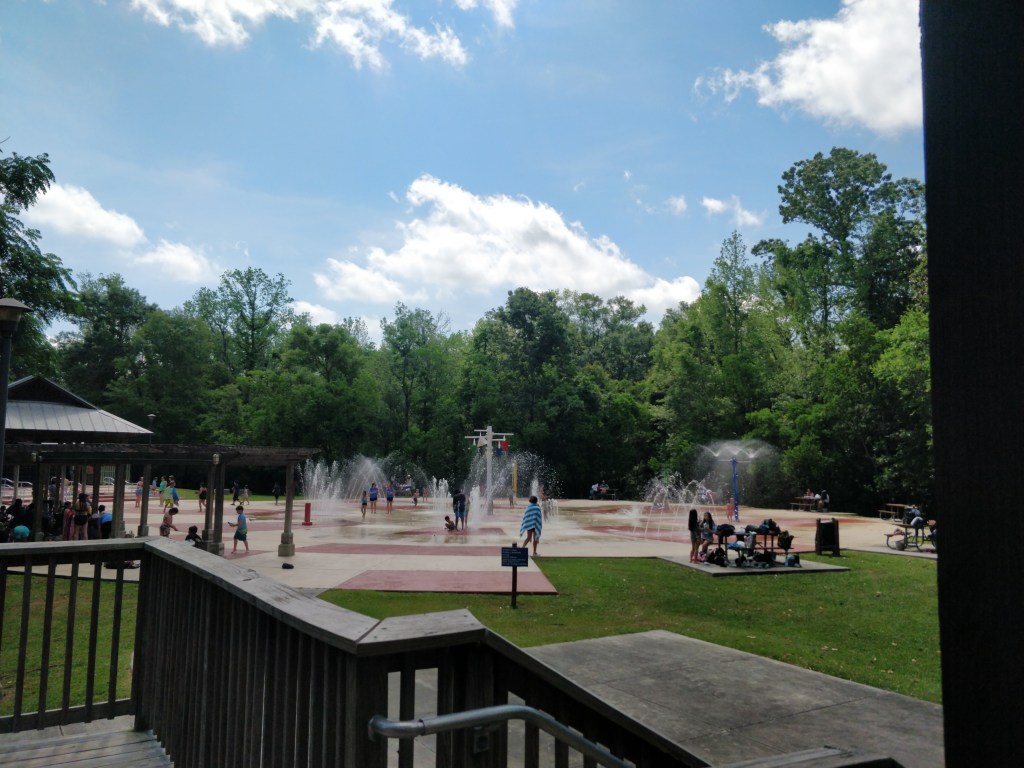
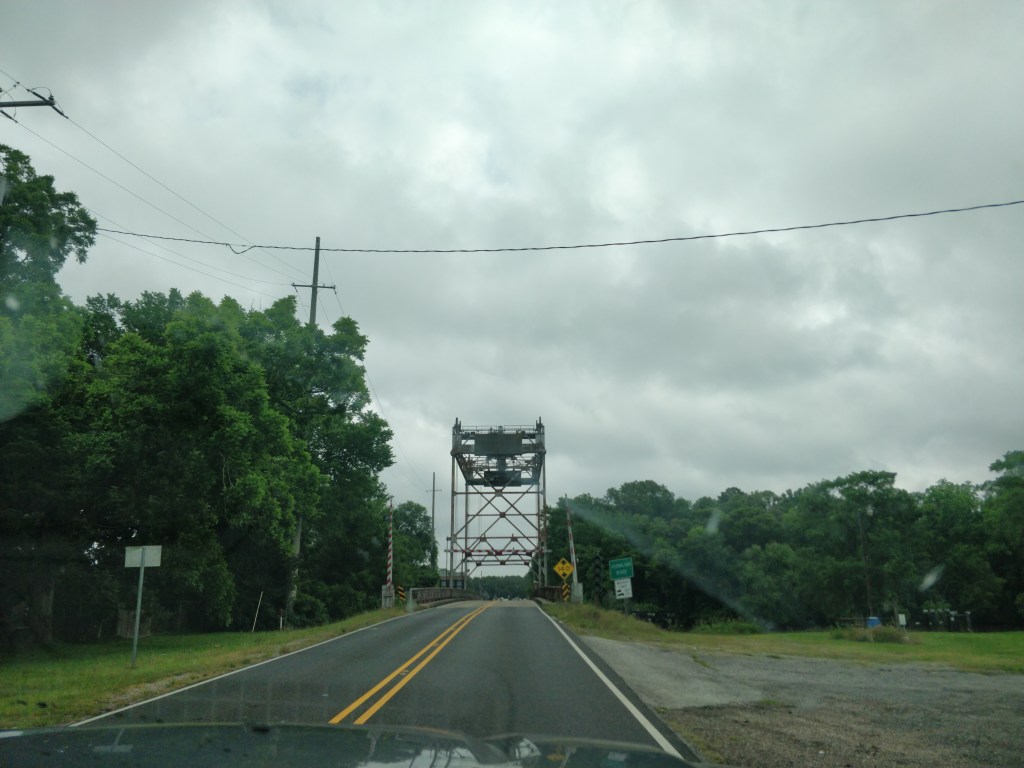
We stayed at Palmetto Island State Park for five nights. Gravel, back-in site was level and full hook-ups were near rear of site. Upon arrival, electrical was not working, but park staff quickly sent repairman to replace breaker. No other issues with hook-ups presented during our stay. Site was among trees with plenty of shade and privacy. Shower, bathroom and laundry facilities were in one screened-in building. All were air conditioned and clean. Trails were near the campground. State Park offers many amenities including a large splash zone, canoe rentals, observation platforms for lagoons, fishing, and picnic pavilions. Our site had a picnic table on a concrete pad and a fire ring with grill/grate. The site also had plenty of room for additional tent, hammock, or screen house. Ice and firewood were available at registration office. Campground was crowded on weekend but quiet hours were observed. Bring bug spray. This is an active alligator and bear area. Poor WiFi and cell service. Roads inside park were well maintained and wide. Easy access from State Route 82 but there is a lift bridge south of Perry with 14’ height clearance. We would stay here again and highly recommend Suire’s Grocery and Restaurant for authentic Cajun food.
Thank you for visiting TheirRVtravels! We’re so glad to have you along for the ride!
Next up..Laissez les bon temps rouler! New Orleans and vicinity
 Their RV Travels
Loved the blog post; so informative. Felt like I was there! (But not sure I’d want to be that close to alligators!). Enjoy your RV travels – can’t wait to hear about your next adventures.
LikeLike