
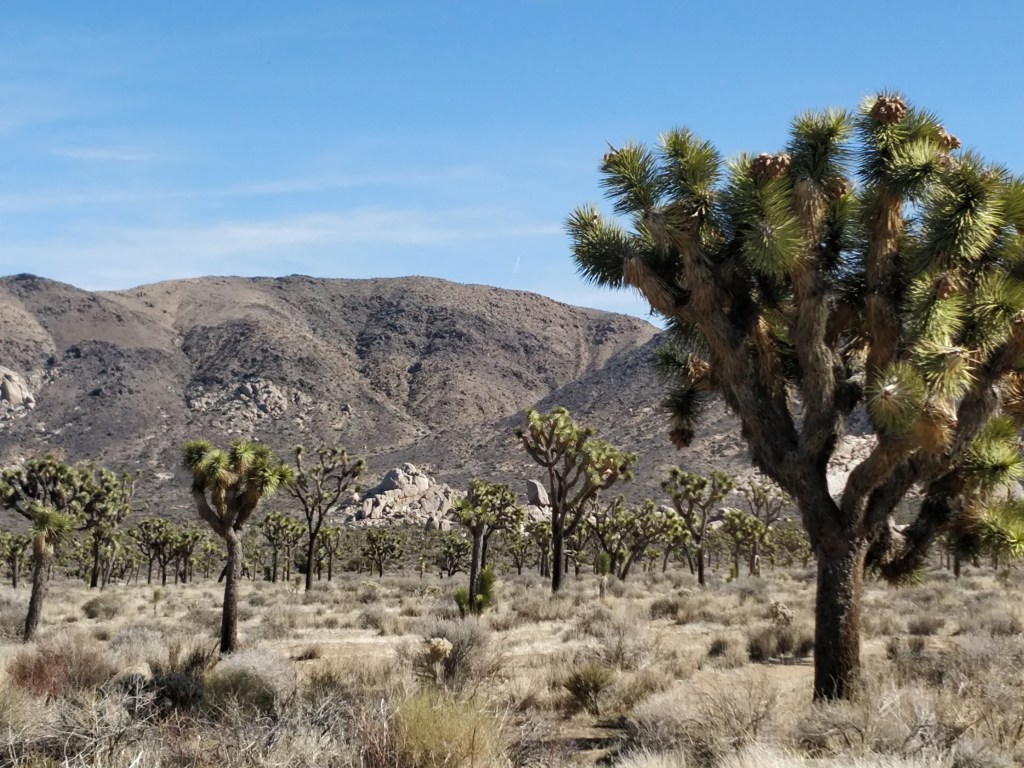
“Like no place else”, the motto of Palm Springs, captures the essence of this part of our adventure. Vintage luxury coupled with exotic plant life, the Coachella Valley offered the best of all worlds.
Palm Springs, CA
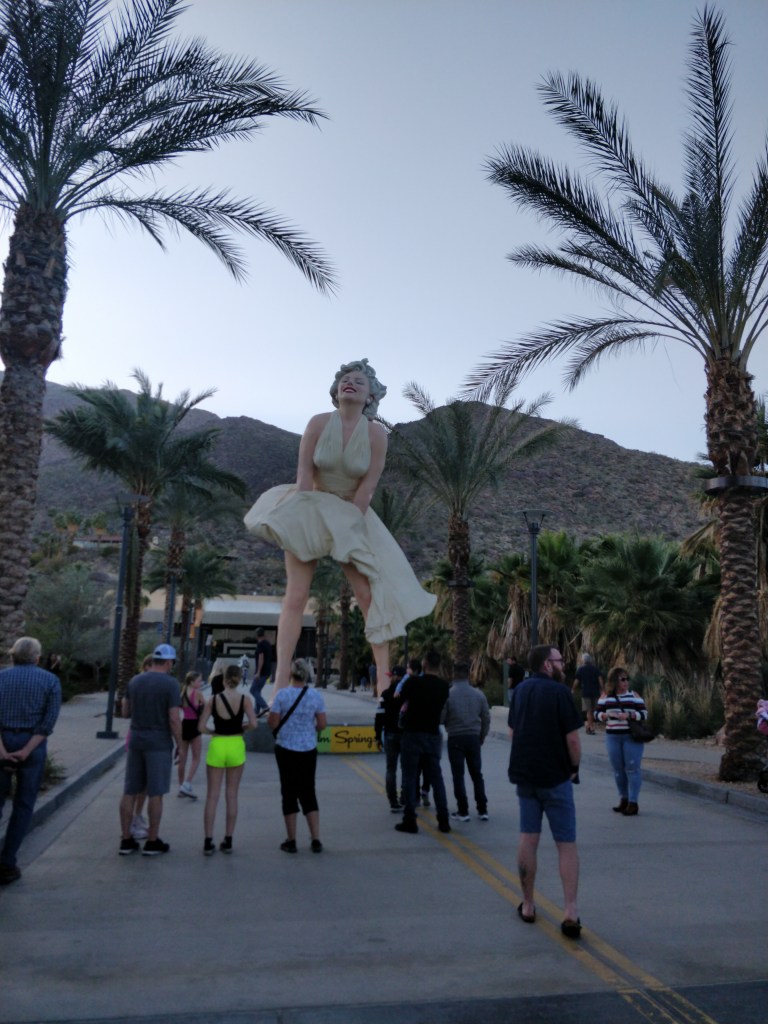
Known as the playground of the rich and famous, Palm Springs still offers the mid-century vibe that once attracted stars like Frank Sinatra, Desi and Luci, Bob Hope, Sonny Bono (former mayor), Dinah Shore, to golf, swim, play tennis, and party. Marilyn Monroe was discovered here at a swim club and there’s a 26 ft. statue to make sure no one forgets!
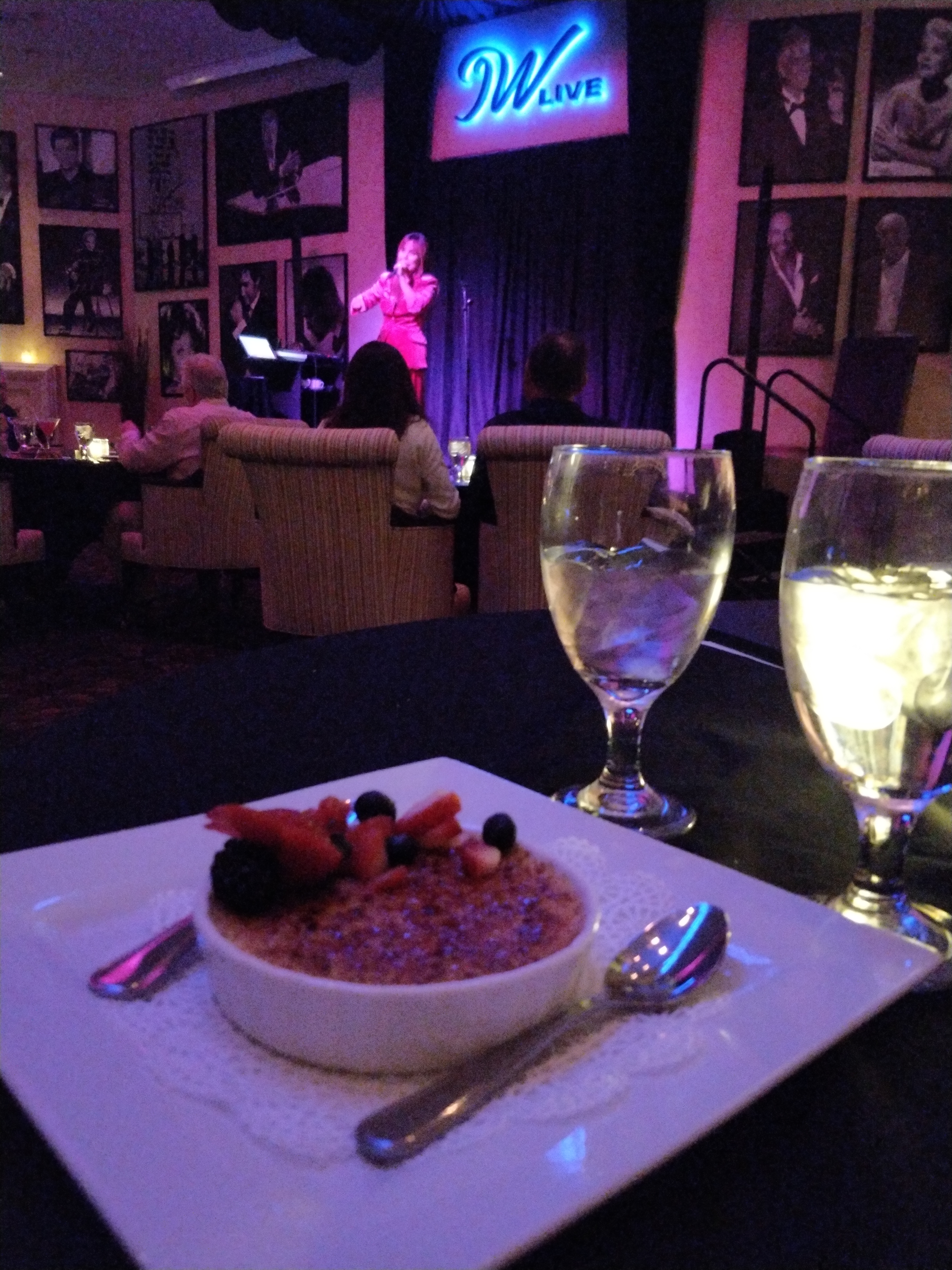
Diners, supper clubs, cocktail lounges and confectionaires provide endless culinary delights – most dishes and drinks are named for the celebrities that made the town famous.

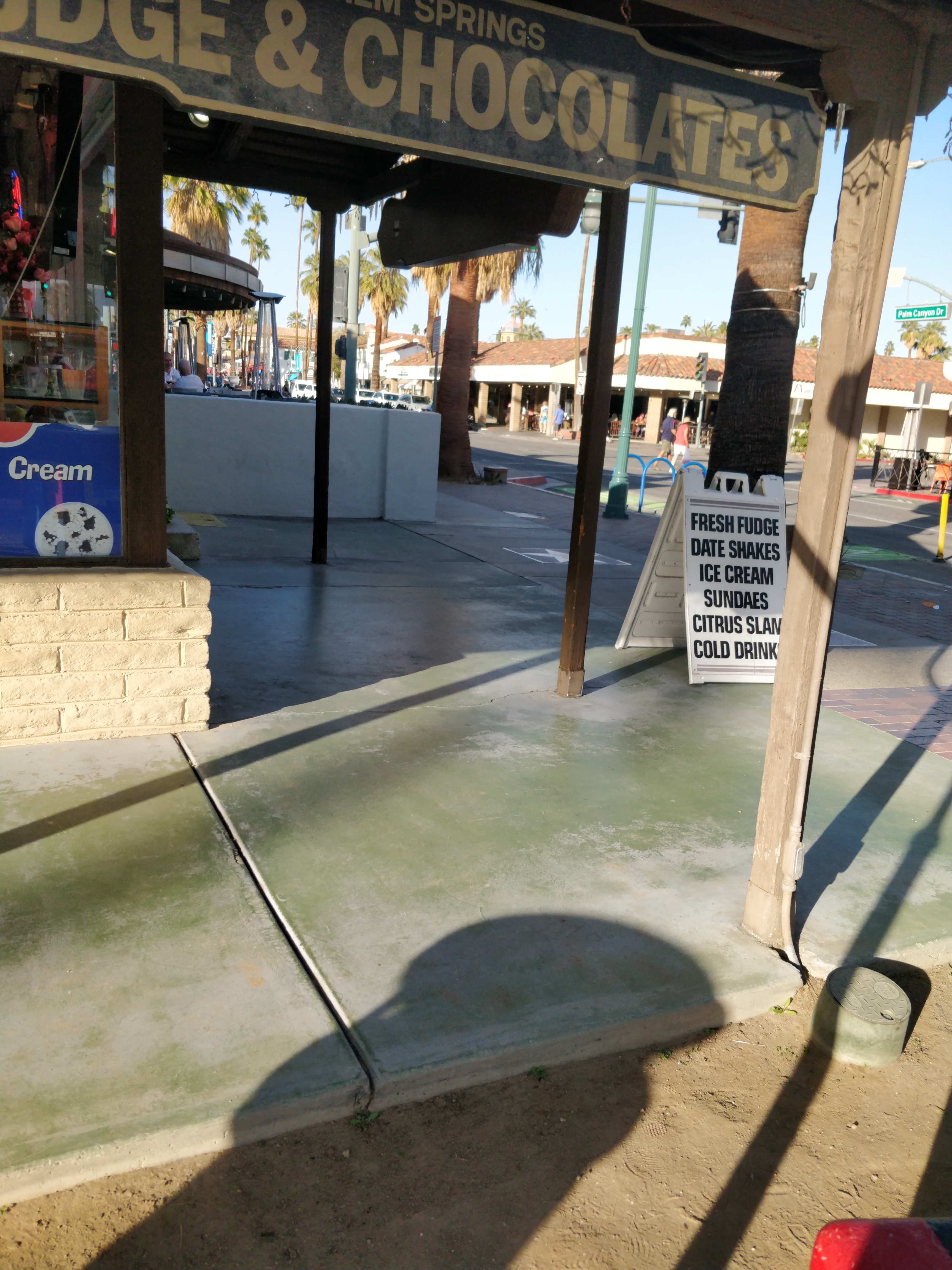
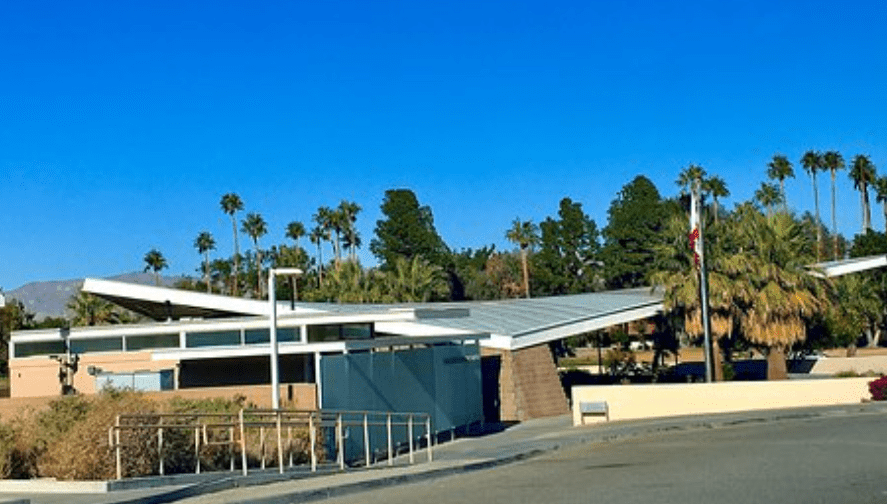
It doesn’t feel like a tourist town, though. Palm Springs takes preservation of architecture, design, fashion, and history to an art form including the iconic Visitor Center.
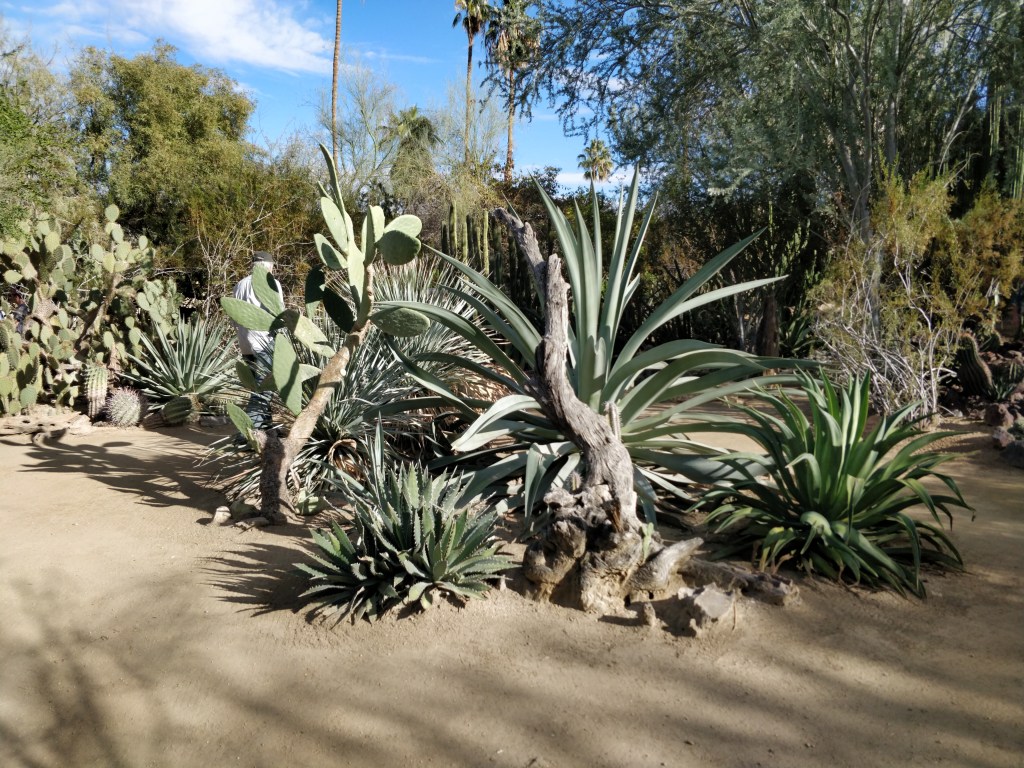
Moorten Botanical Garden was established in 1938 as a private arboretum. Visitors can walk through collections of over 3,000 varieties of desert plants placed in habitats along the nature trail. Birds, tortoises, rocks, pioneer artifacts, and sculptures kept the feelings of discovery and surprise throughout our tour.
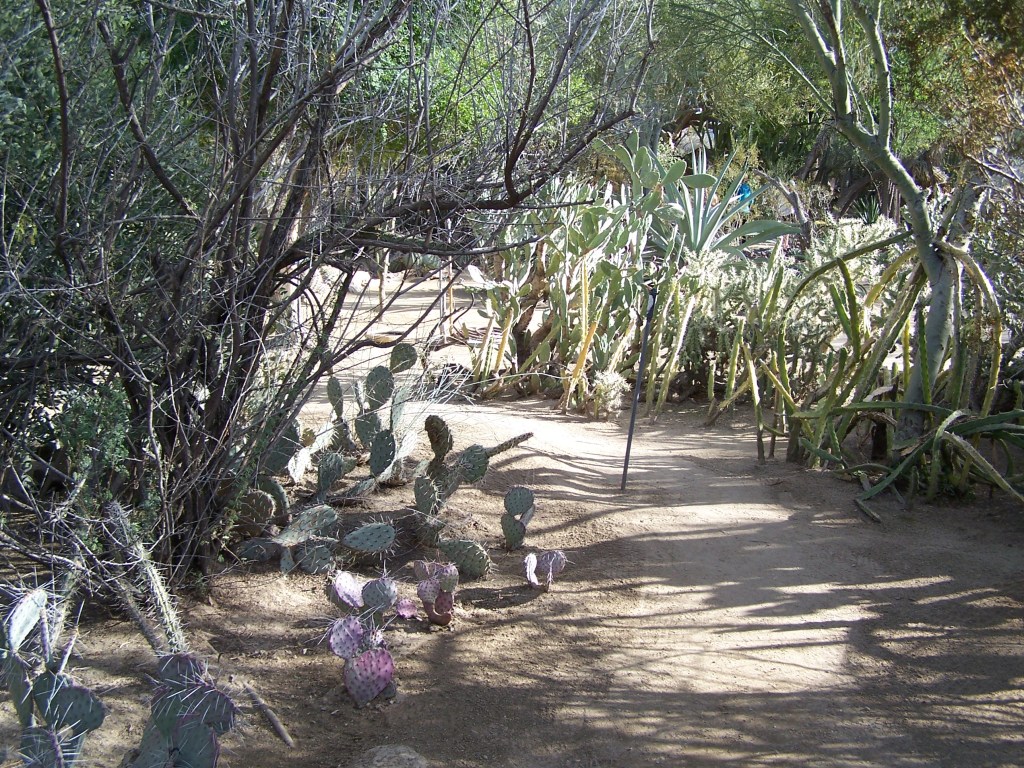
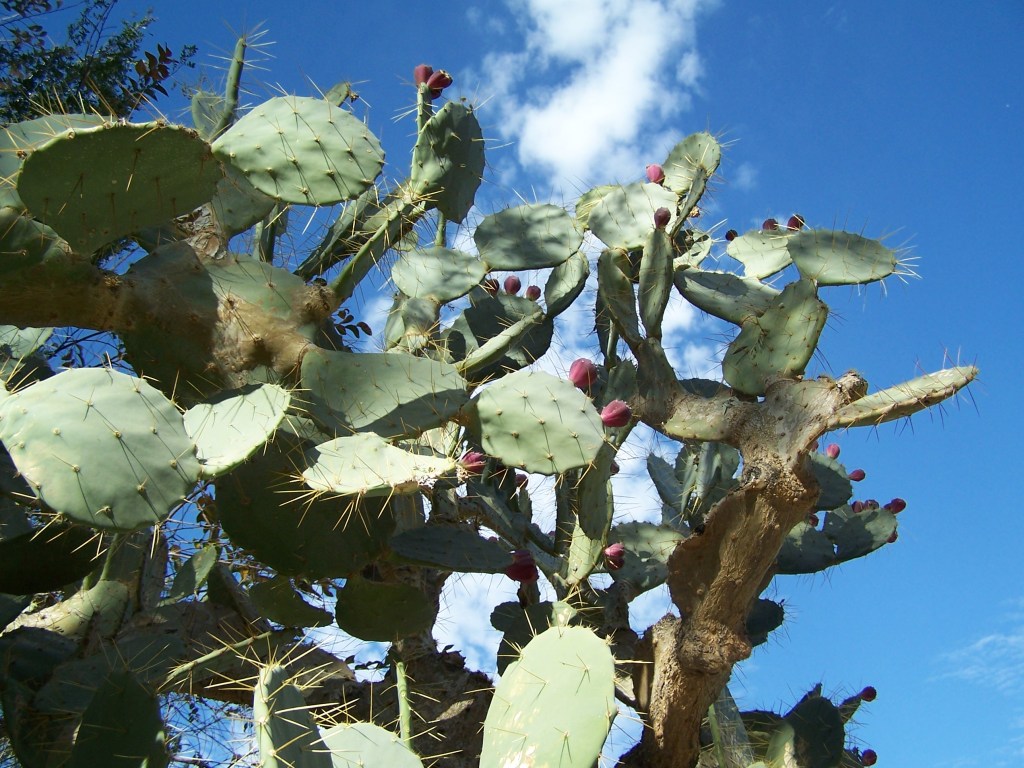
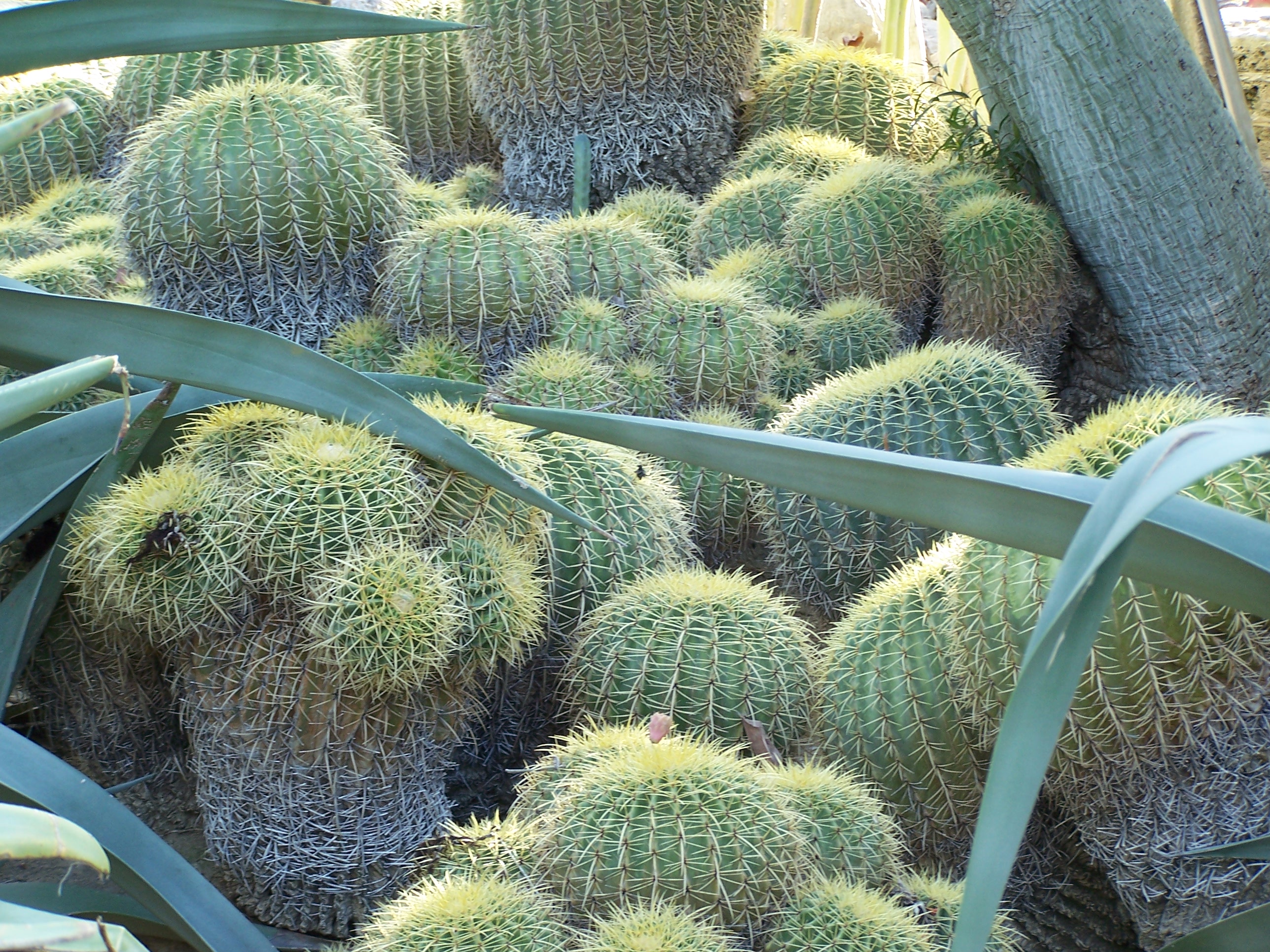
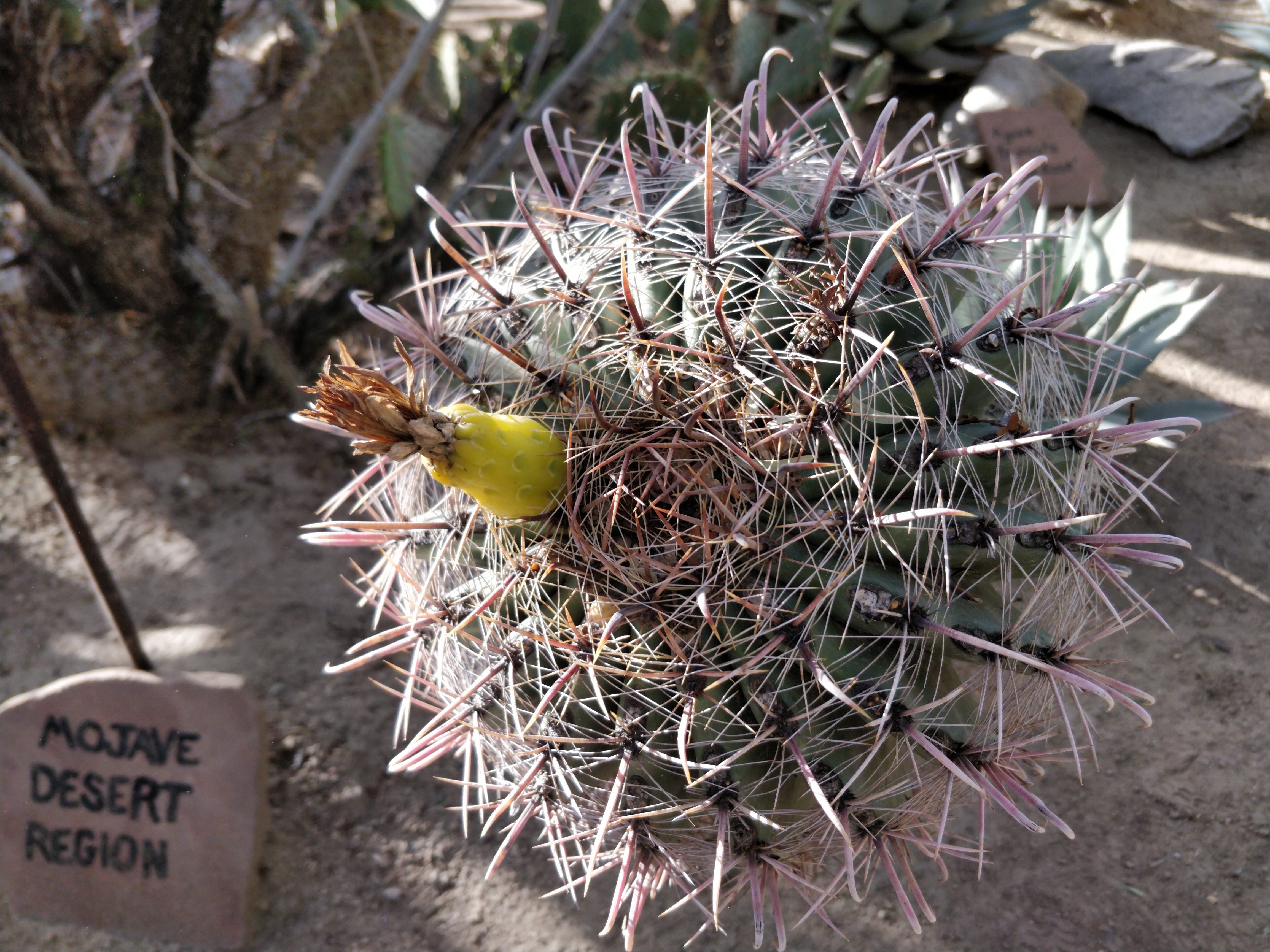
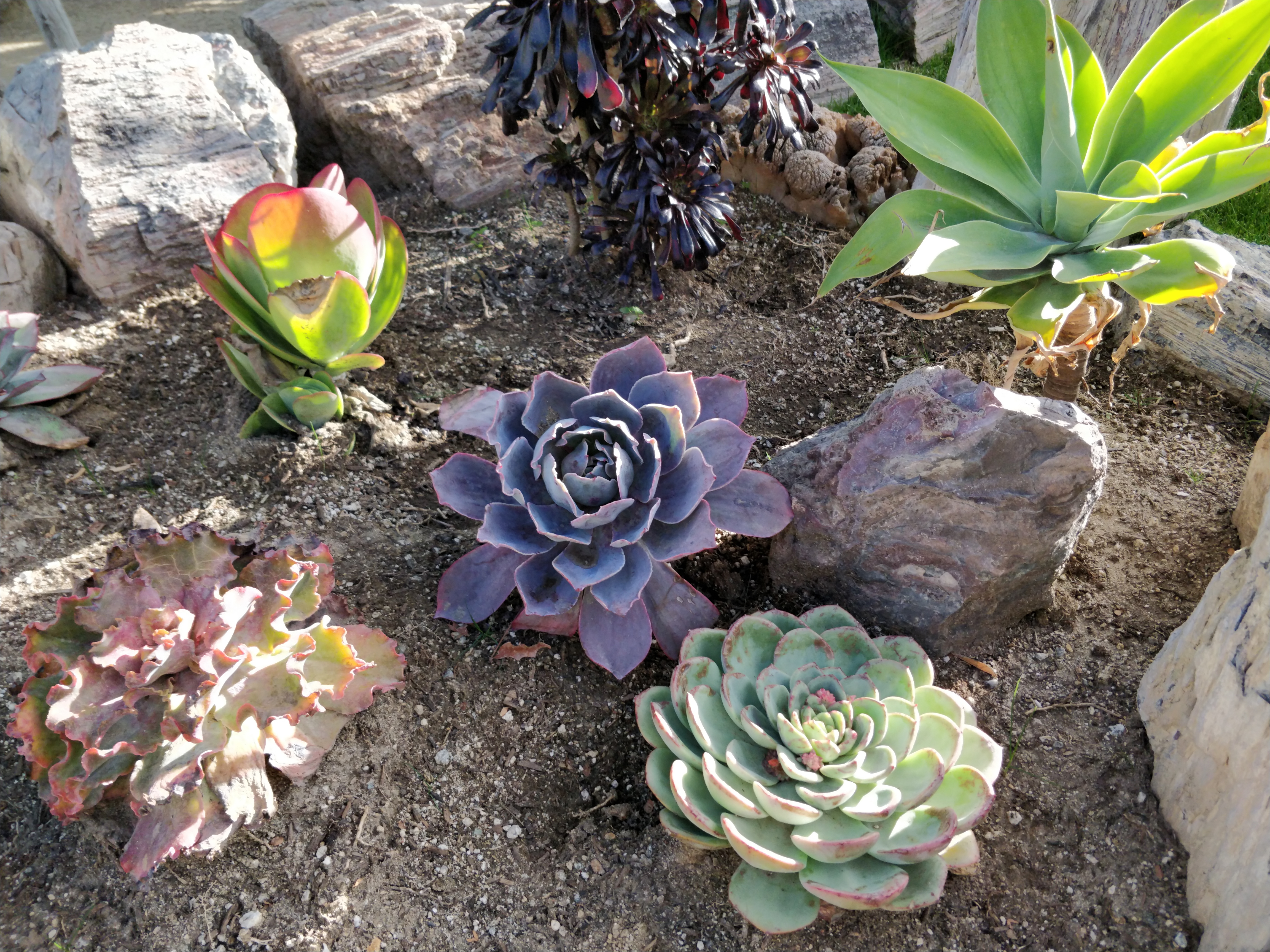
Barrel cactus and succulents.
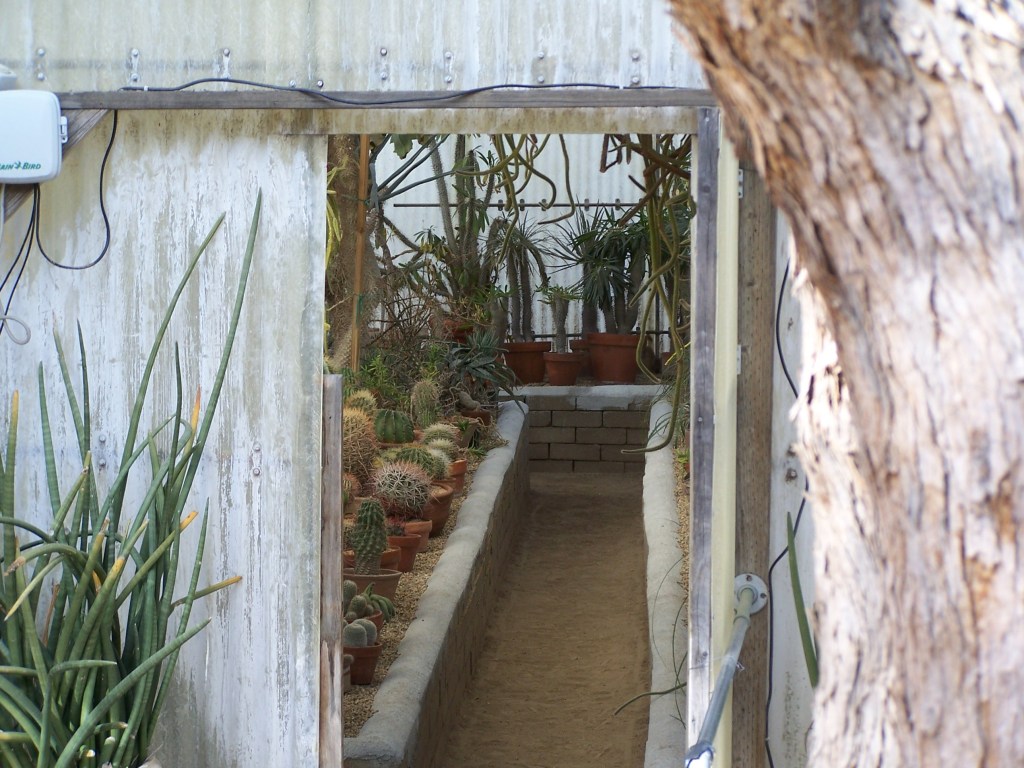
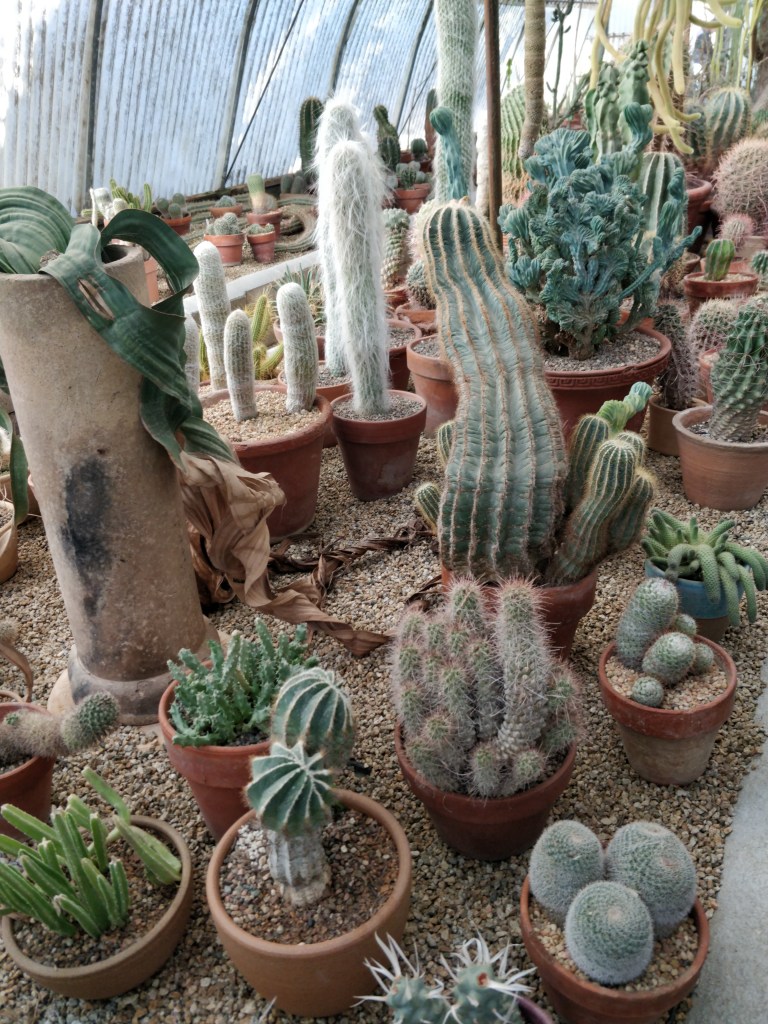
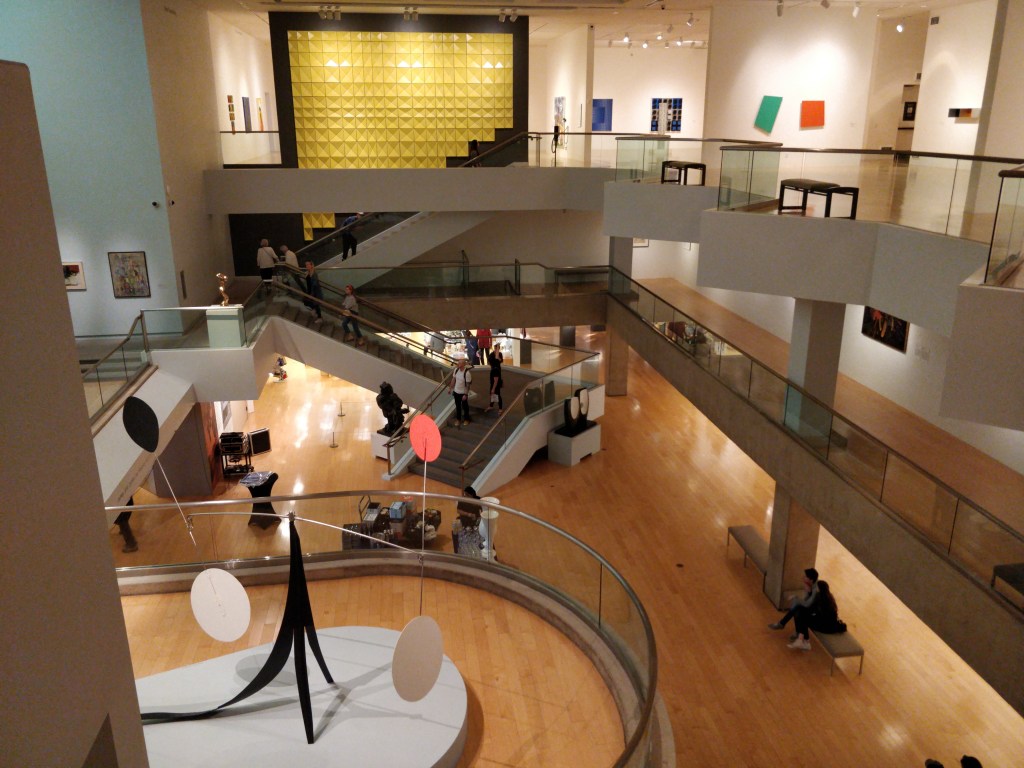
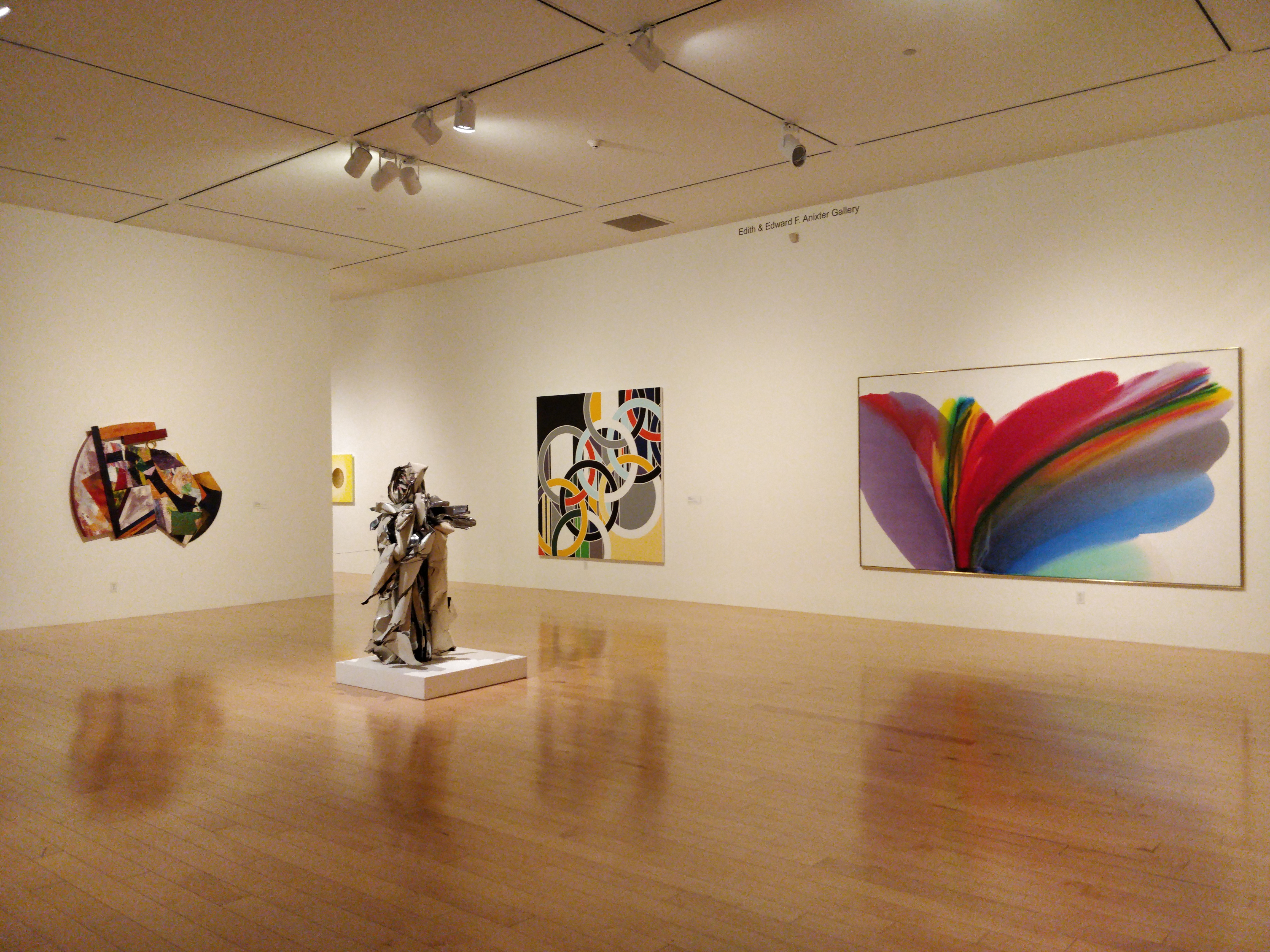
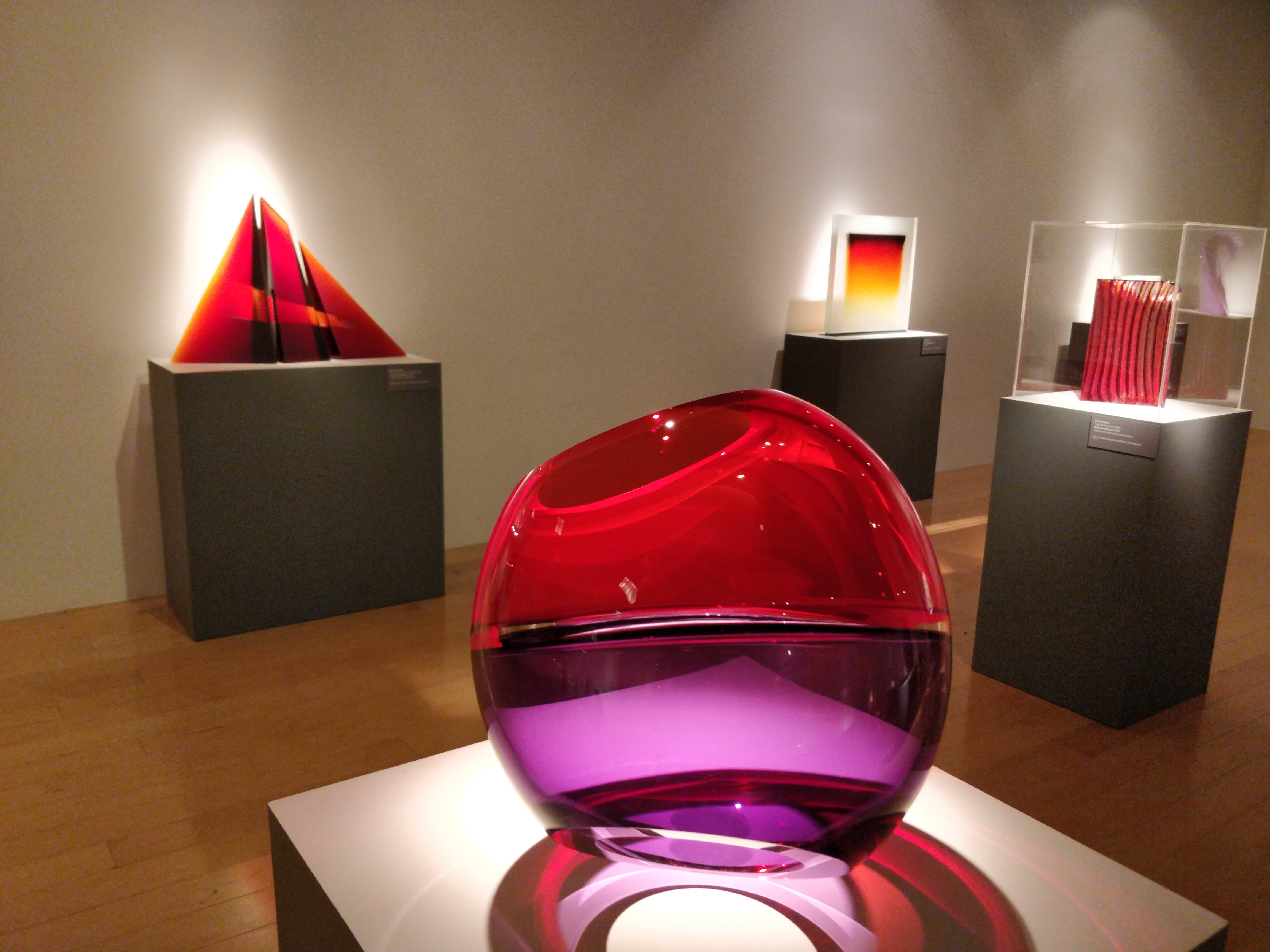
Palm Springs Art Museum is located downtown in a beautiful building that blends seamlessly with the surrounding desert hills. The contemporary art pieces are displayed in three tiers of interior space as well as two outdoor gardens.

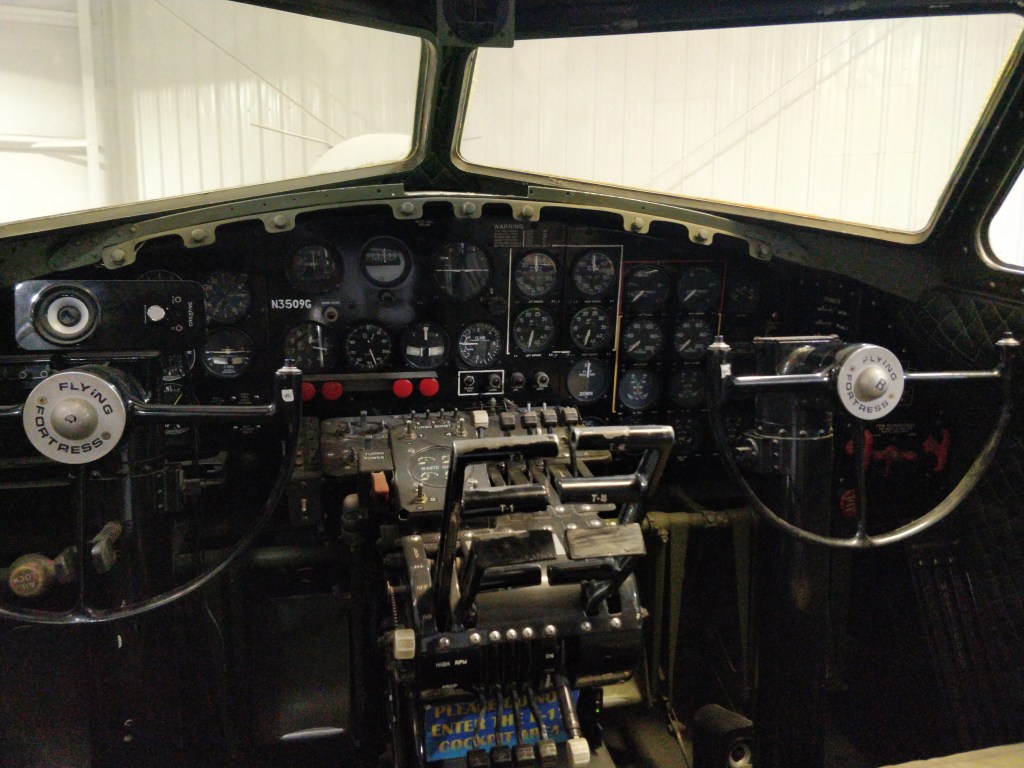
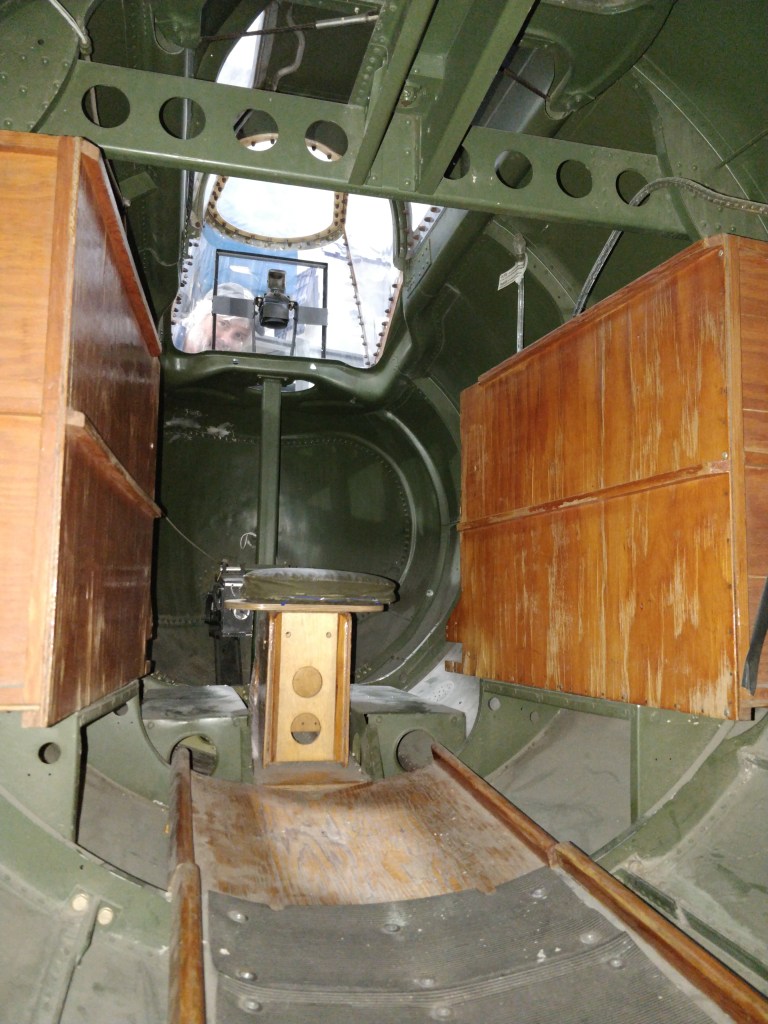
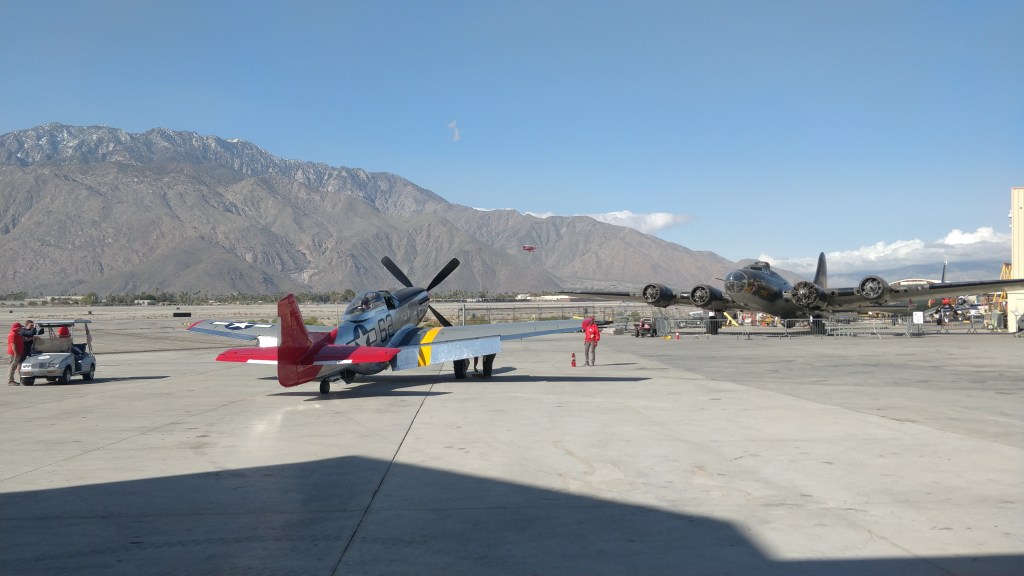
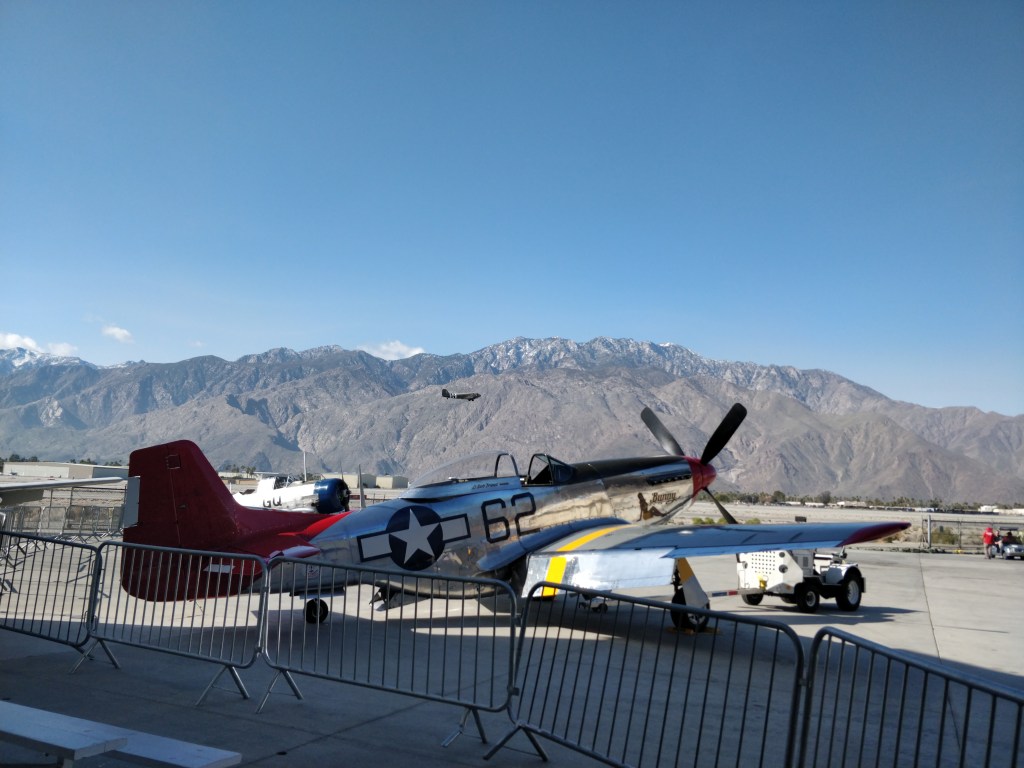
The Palm Springs Air Museum has the largest collection of WWII flyable planes. Airplane rides are offered throughout the day in several of the vintage models. We were so fortunate to visit when planes were taking off and landing every few minutes, especially the P-51 Mustang!
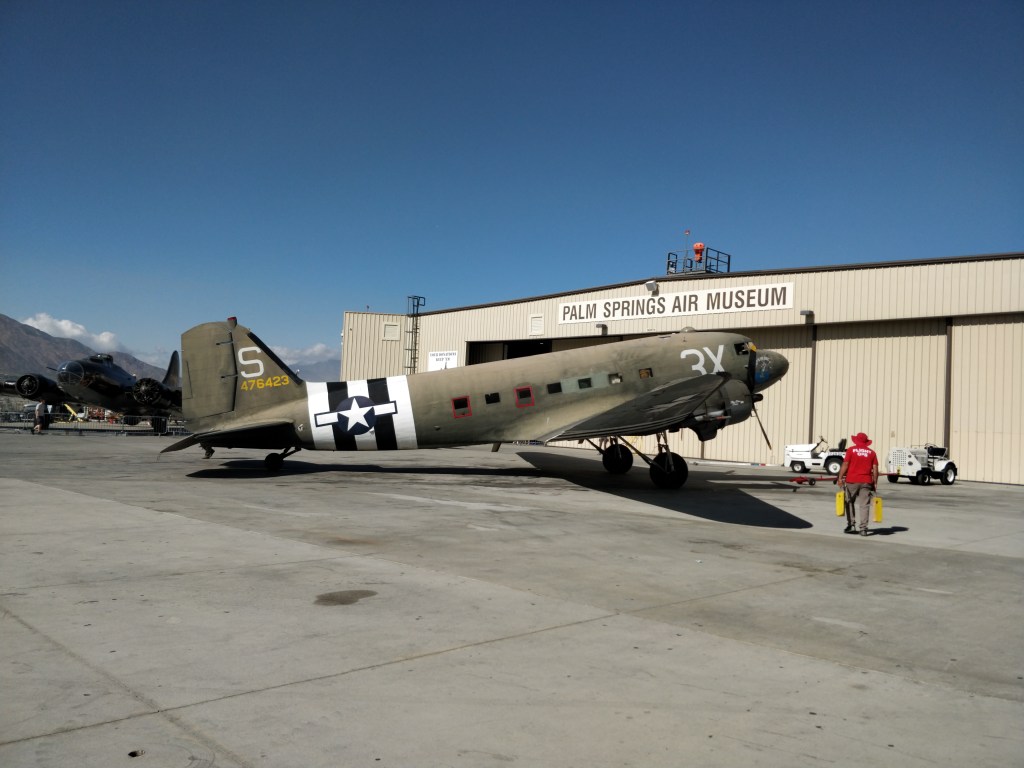
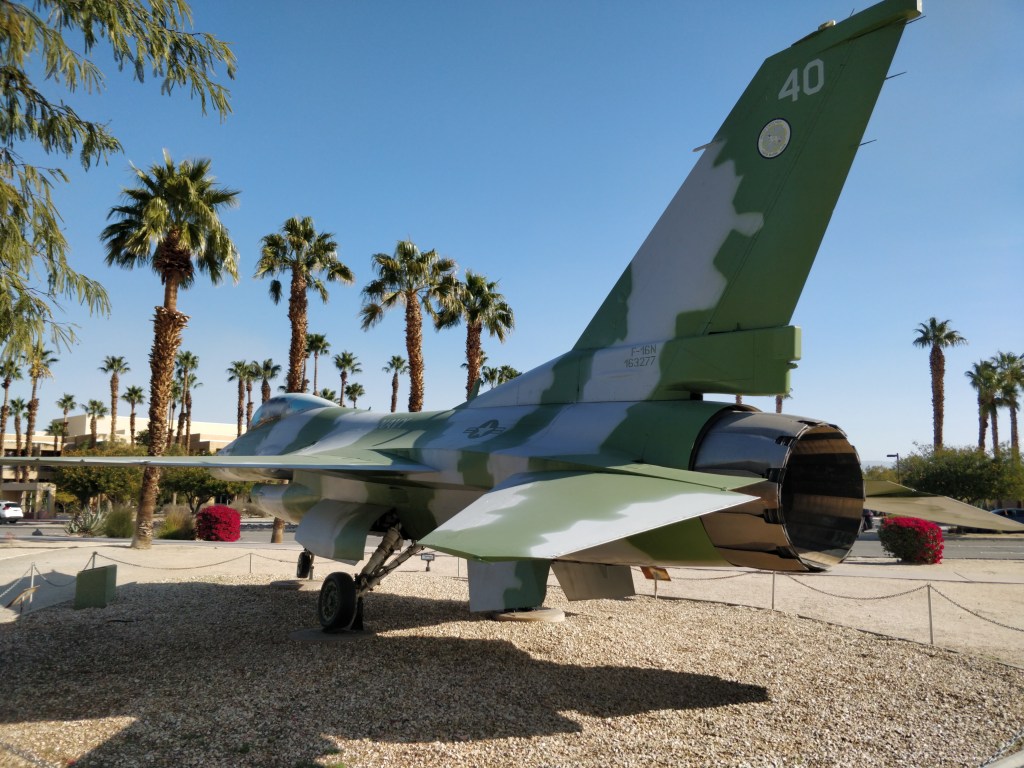
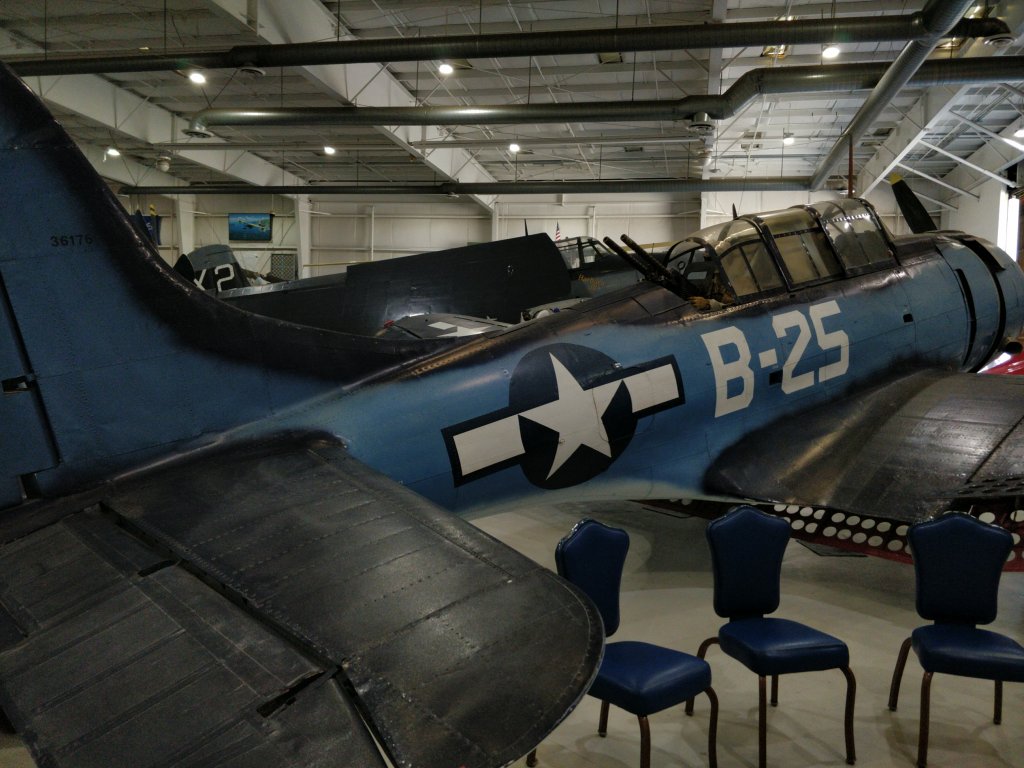
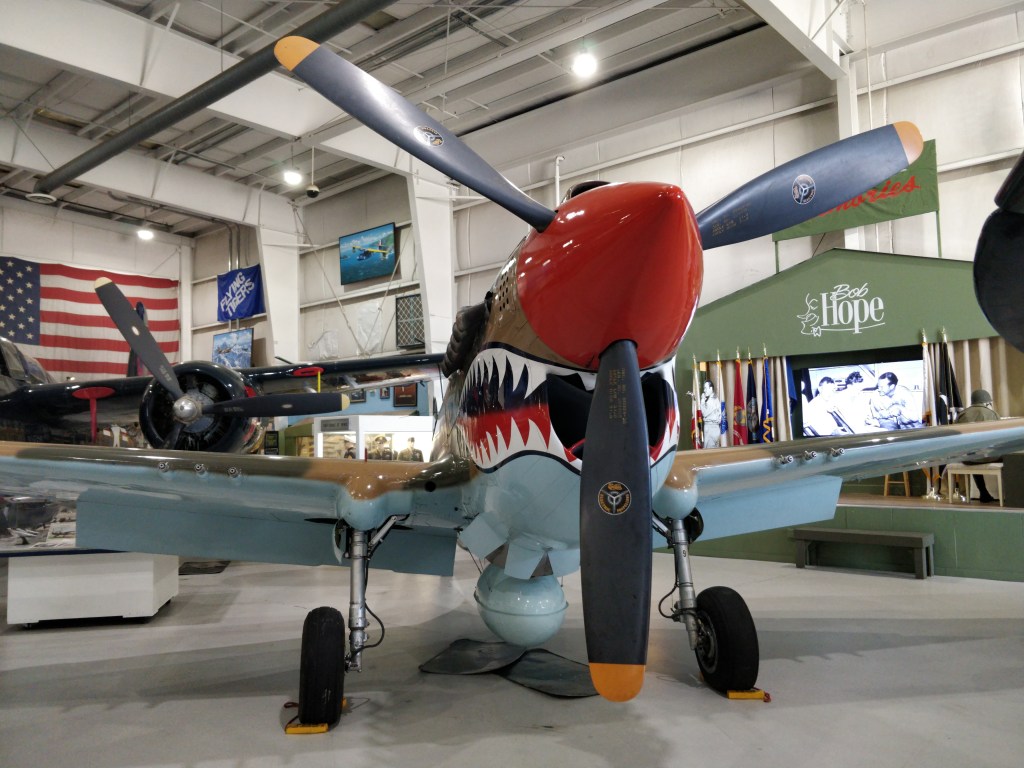
Palm Springs is also in close proximity to wilderness and natural resources. Joshua Tree National Park is an hour’s drive away, San Jacinto Wilderness is a tram ride away, and the numerous hot springs that brought health seekers to the area in the early years are only moments away at the edge of the town.
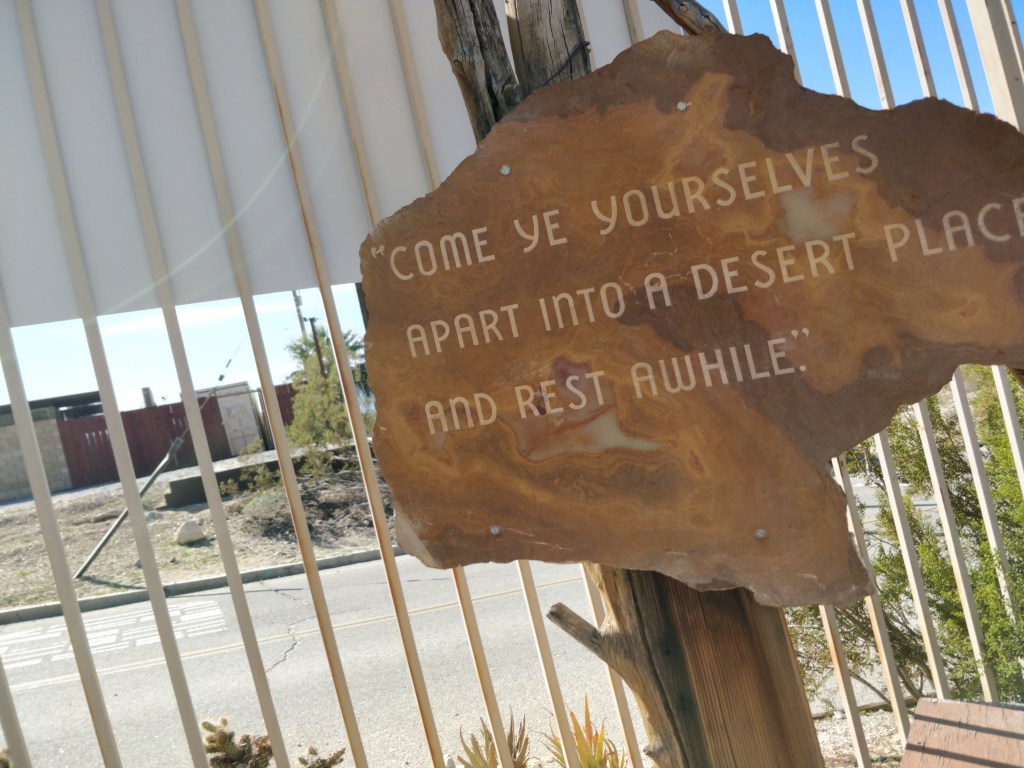
Cabot Pueblo Museum
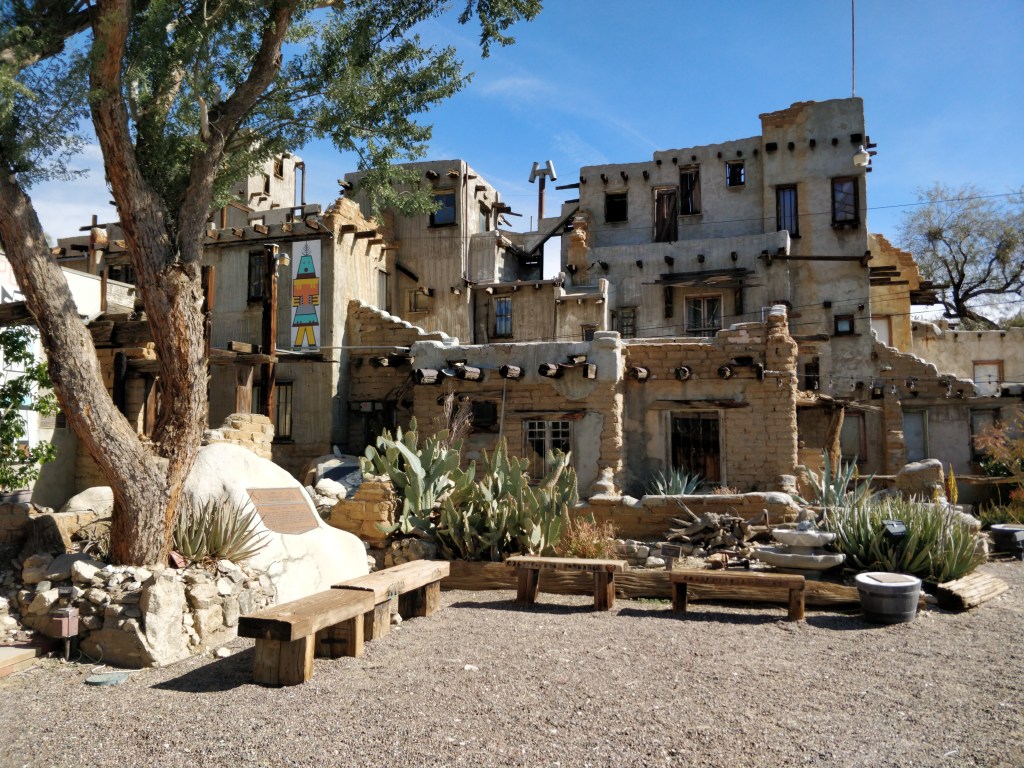
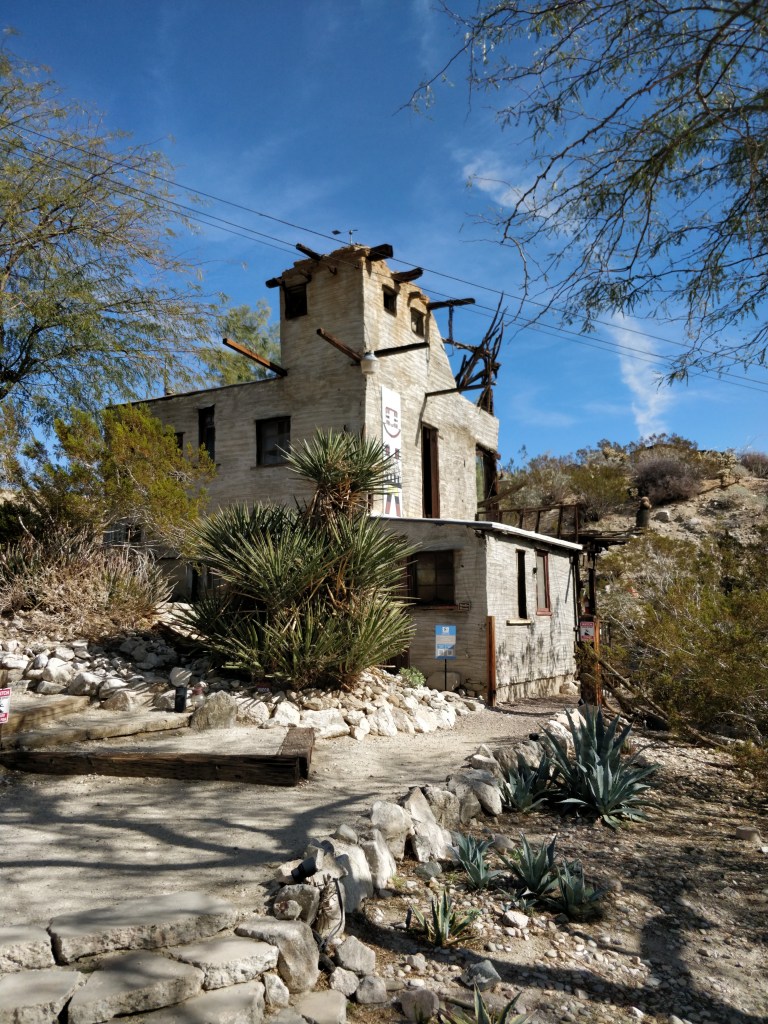
Cabot’s Pueblo Museum is located in the home built by an explorer by the name of Cabot Yerxa. He discovered two aquifers – one with a temperature of 110 degrees F; the other a cold one. The hot springs are in use today by the area’s spas and resorts; the cold springs currently continue to provide fresh water to the city. The home is built in an eclectic style based on Hopi – Pueblo architecture, but was never fully finished. It became an artist colony before restored as a museum. Artists continue to use the unique grounds and buildings for inspiration.

Joshua Tree National Park
Our day trip to Joshua Tree National Park included stops at Keys View overlook, Barker Dam, Cholla Forest, Lost Palm Oasis, and the Cap Rock picnic grove.
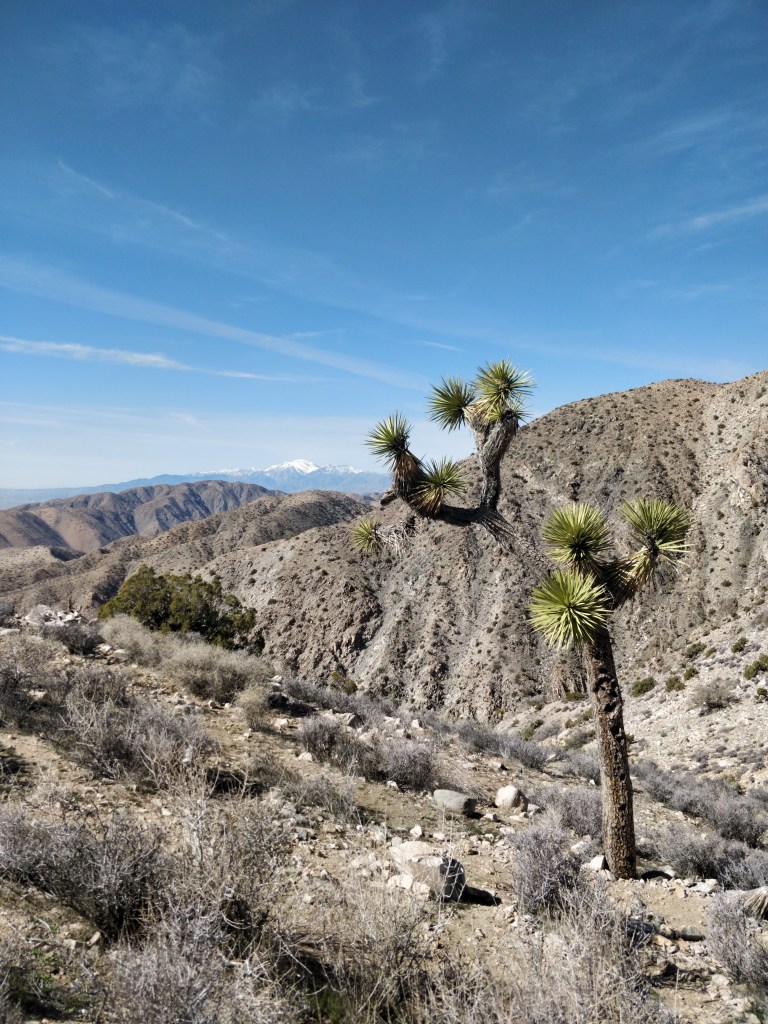
Distinct to the Mojave Desert, Joshua Trees are really a species of Yucca that can grow to over 40 feet high at a rate of about an inch a year.
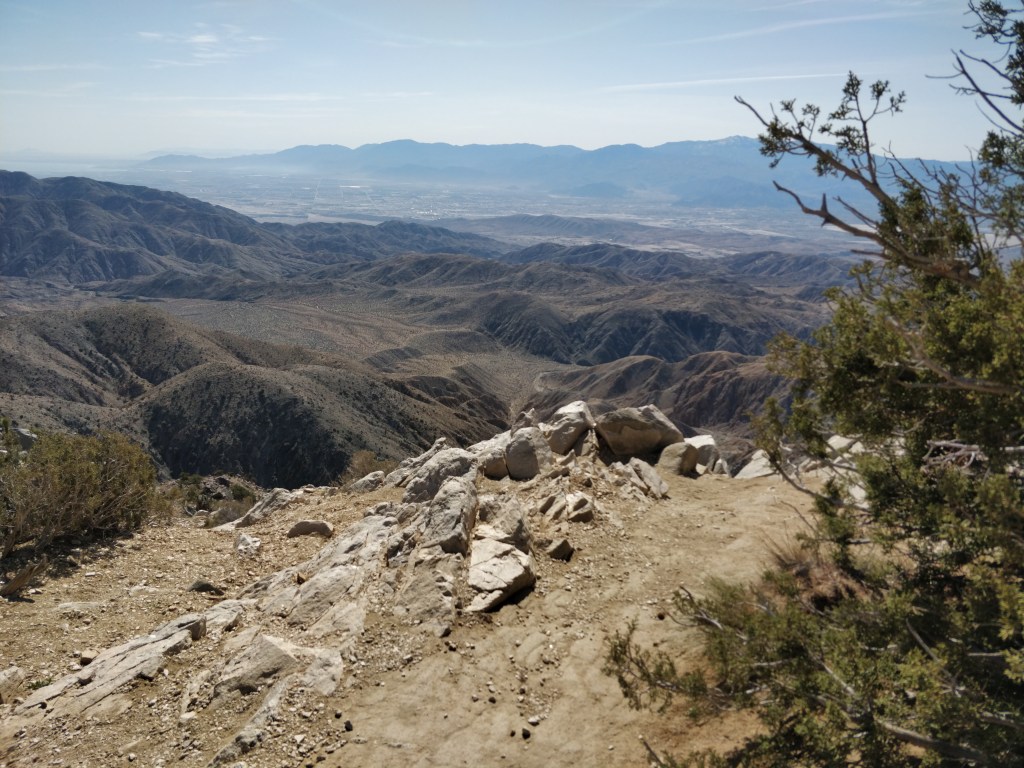
Keys View is in the center of Joshua Tree National Park and provides a panoramic view of the Coachella Valley from the Little San Bernardino Mountains.
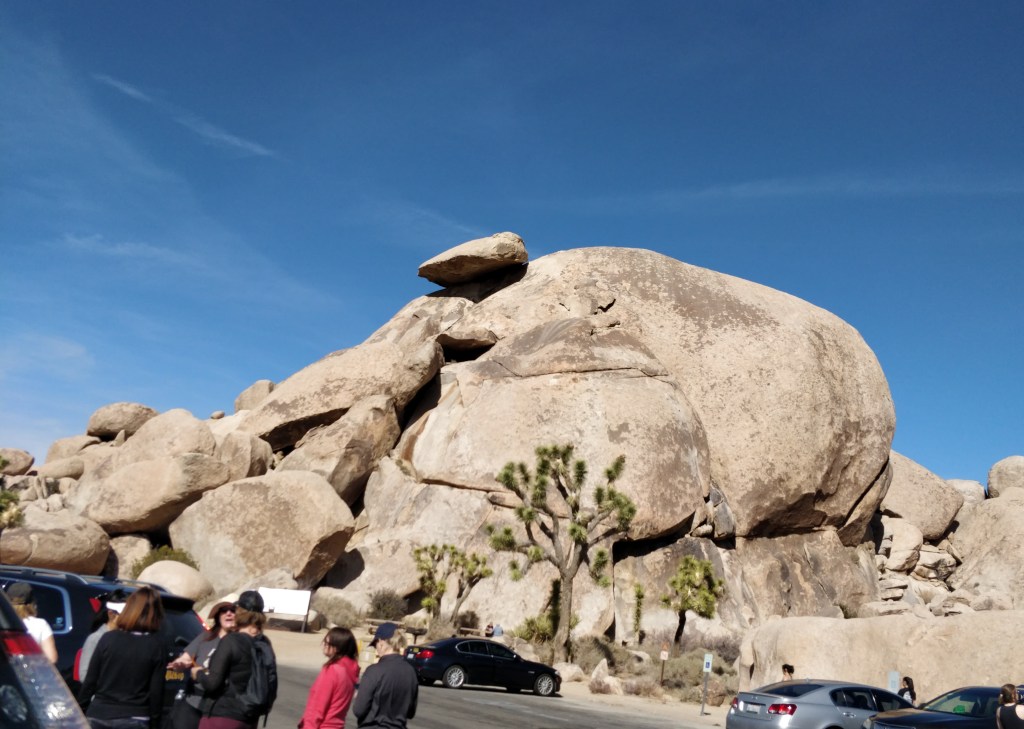
The jumbo rocks in Joshua Tree are formed from ancient magma pushing to the earth’s surface to crack and weather over the ages. Cap Rock formation is popular with rock climbers.
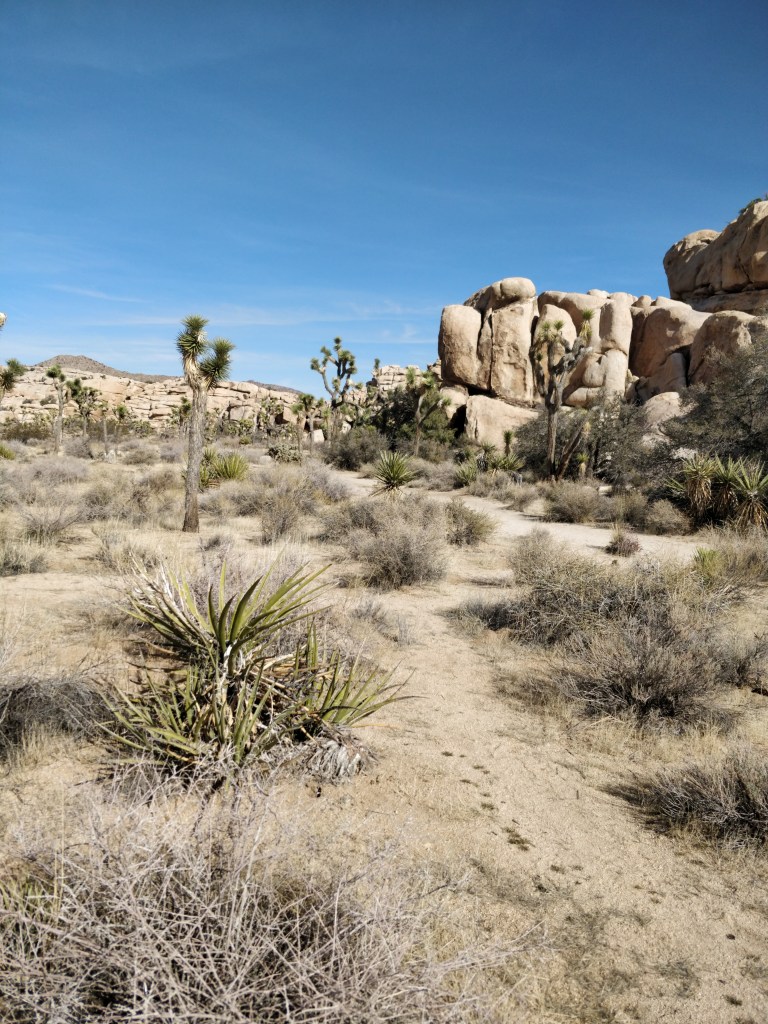
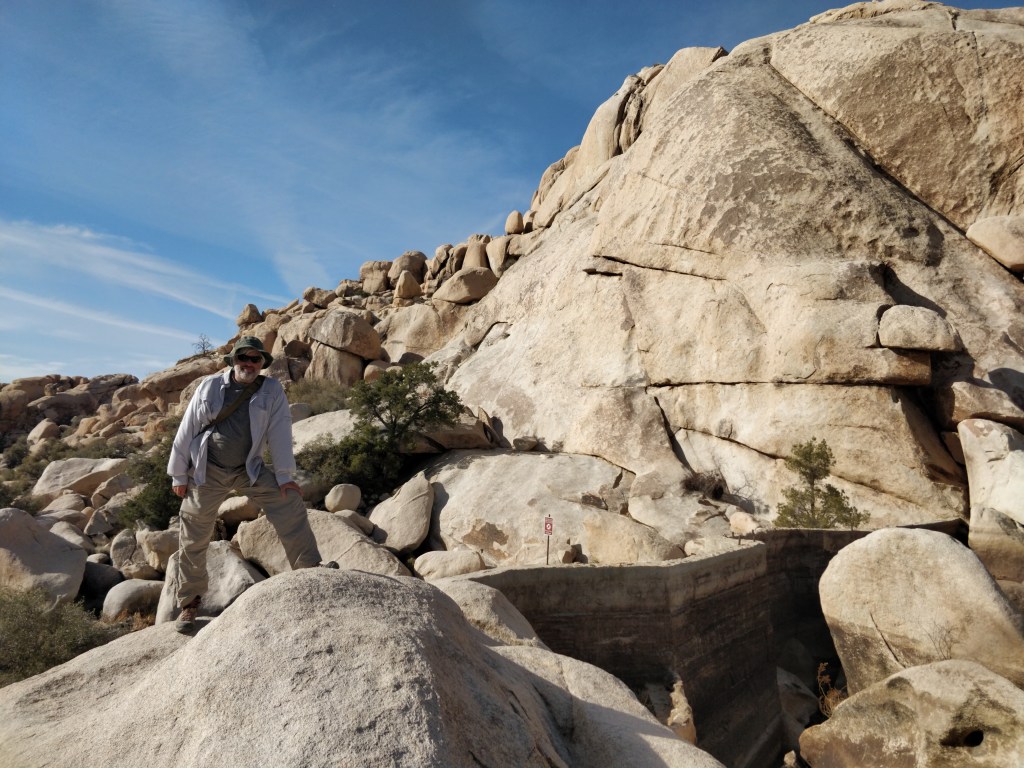
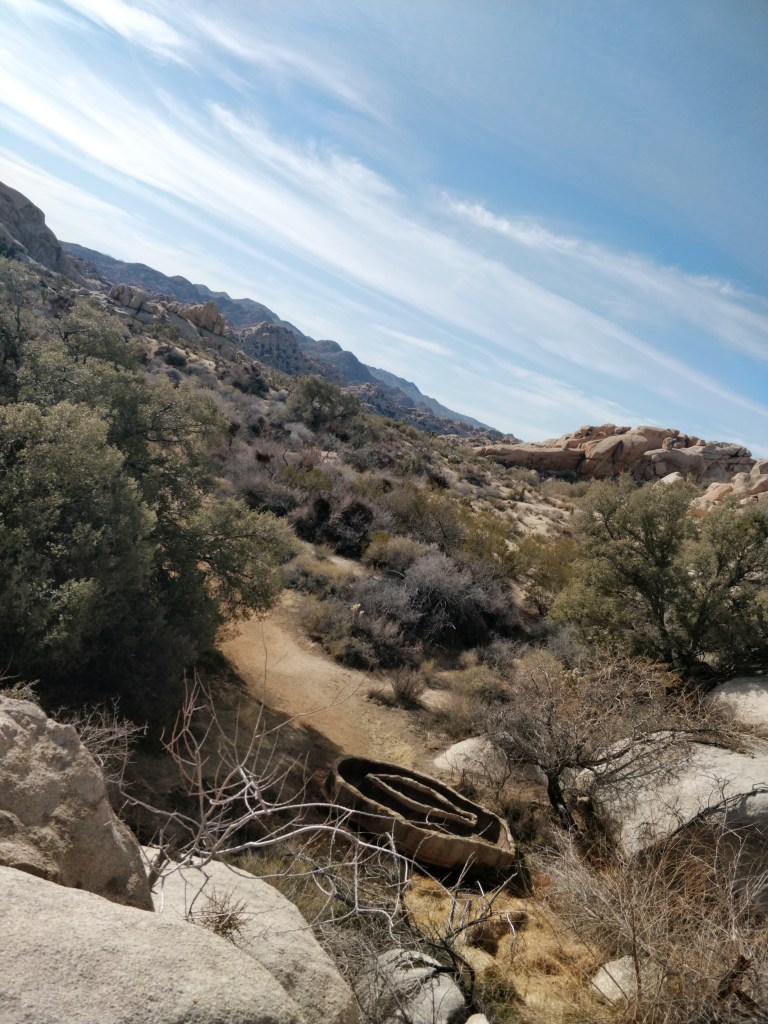
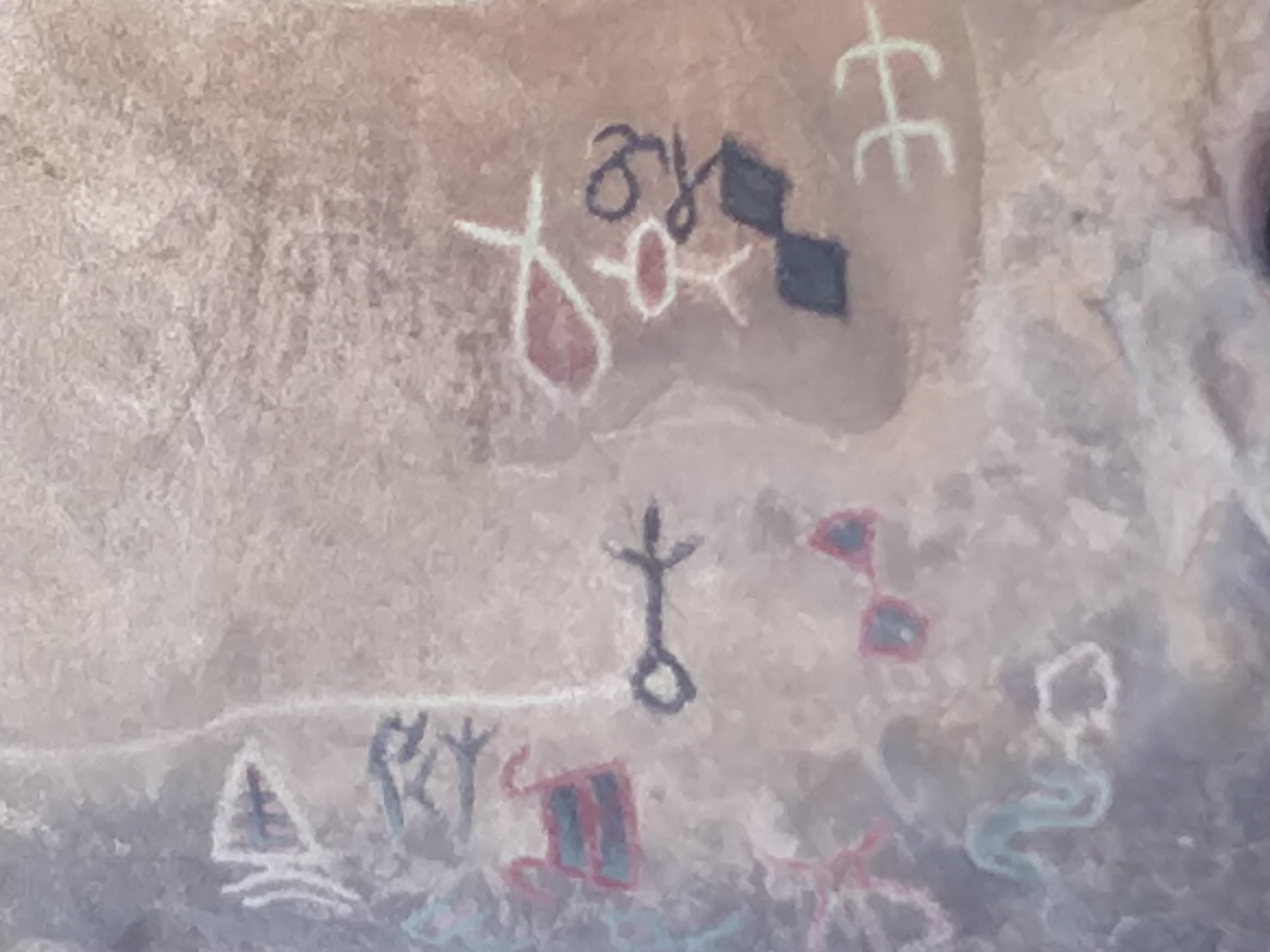
Barker Dam was built in the early 1900’s by cattlemen to provide water for their herds before the land was preserved as a park. The stone trough fills during the winter and spring rains. On the trail are petroglyphs that were used and “enhanced” for a Disney movie.
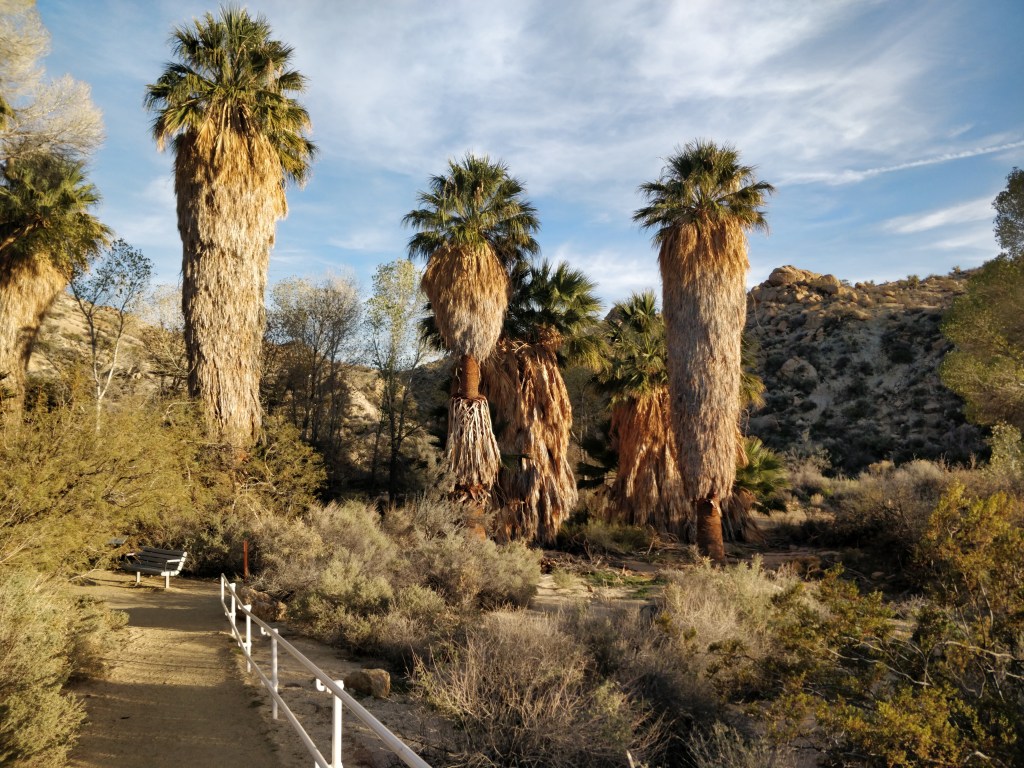
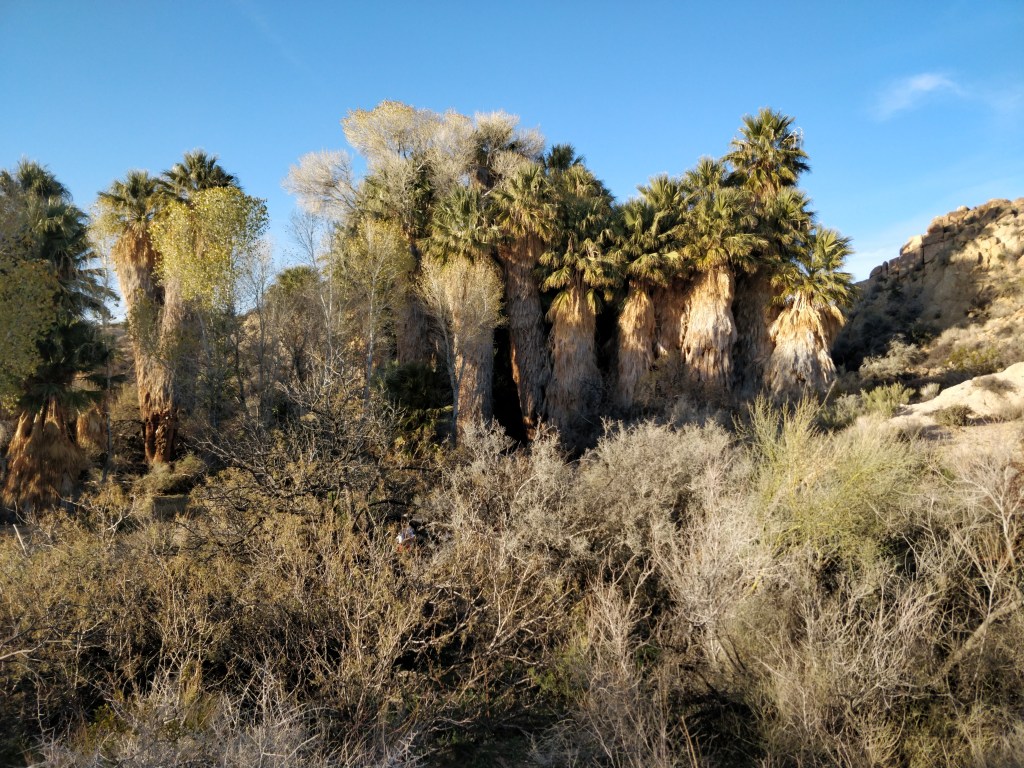
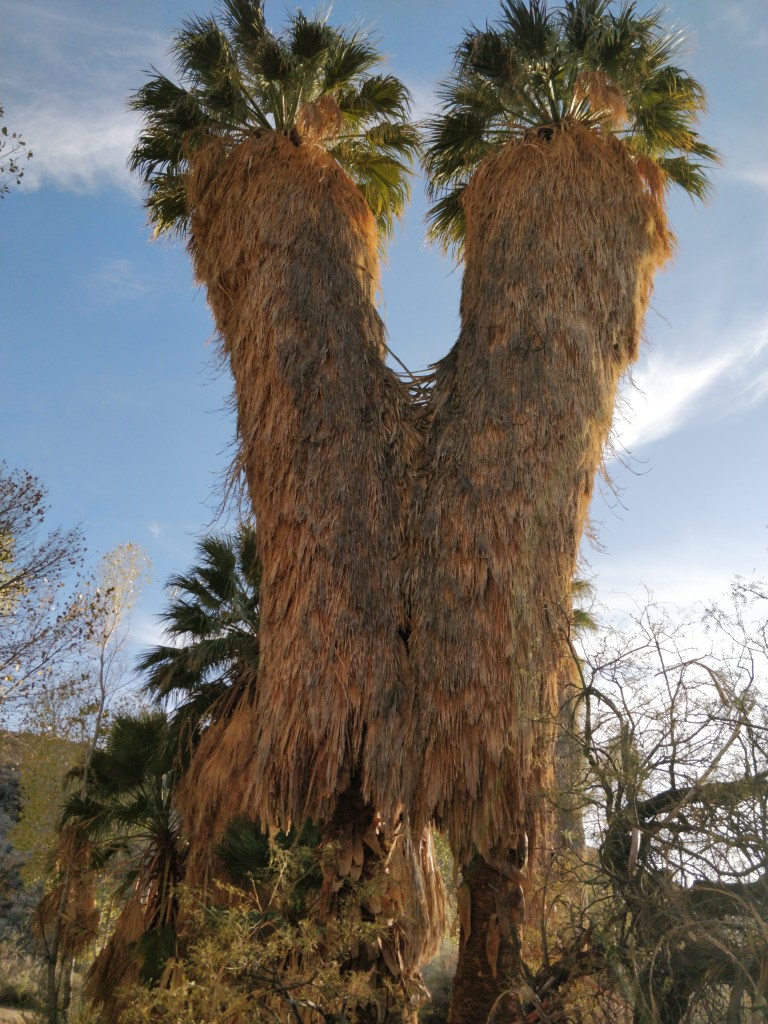
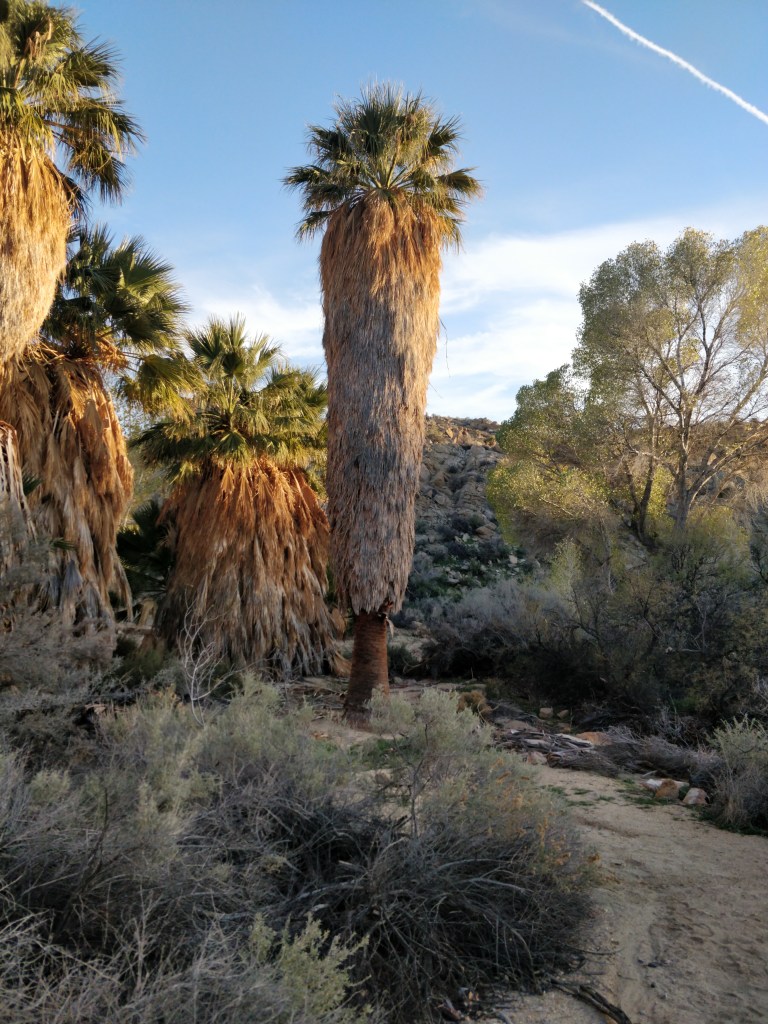
California fan palms of the Lost Palm Oasis in Joshua Tree National Park grow atop a geological fault’s groundwater source.
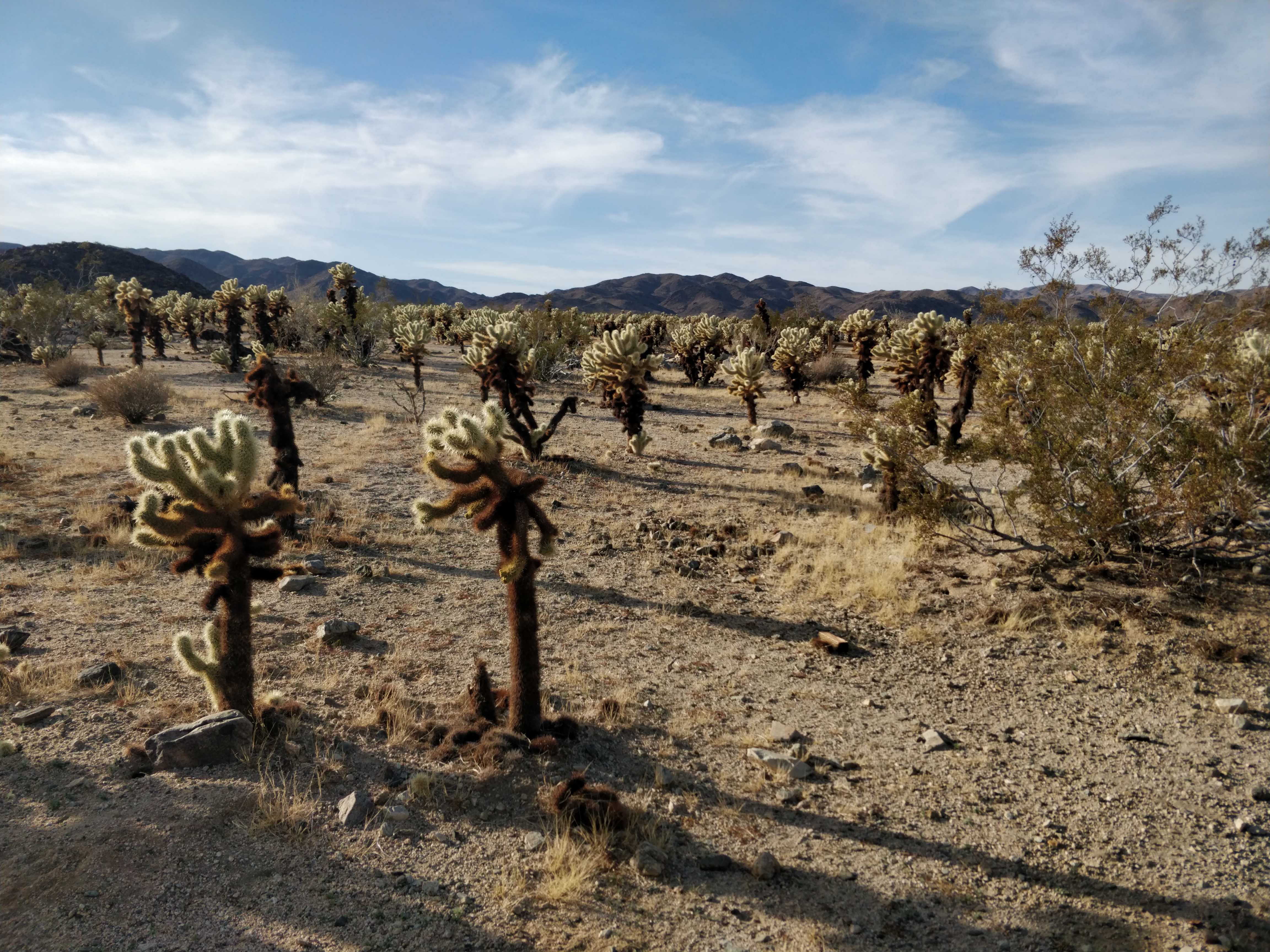
Cholla cactus, nicknamed “Teddy bear cactus”, may look soft and fuzzy, but don’t be fooled! Those spines prick and jab and are hard to remove from clothing or flesh. Their yellow “flowers” bloom in spring.
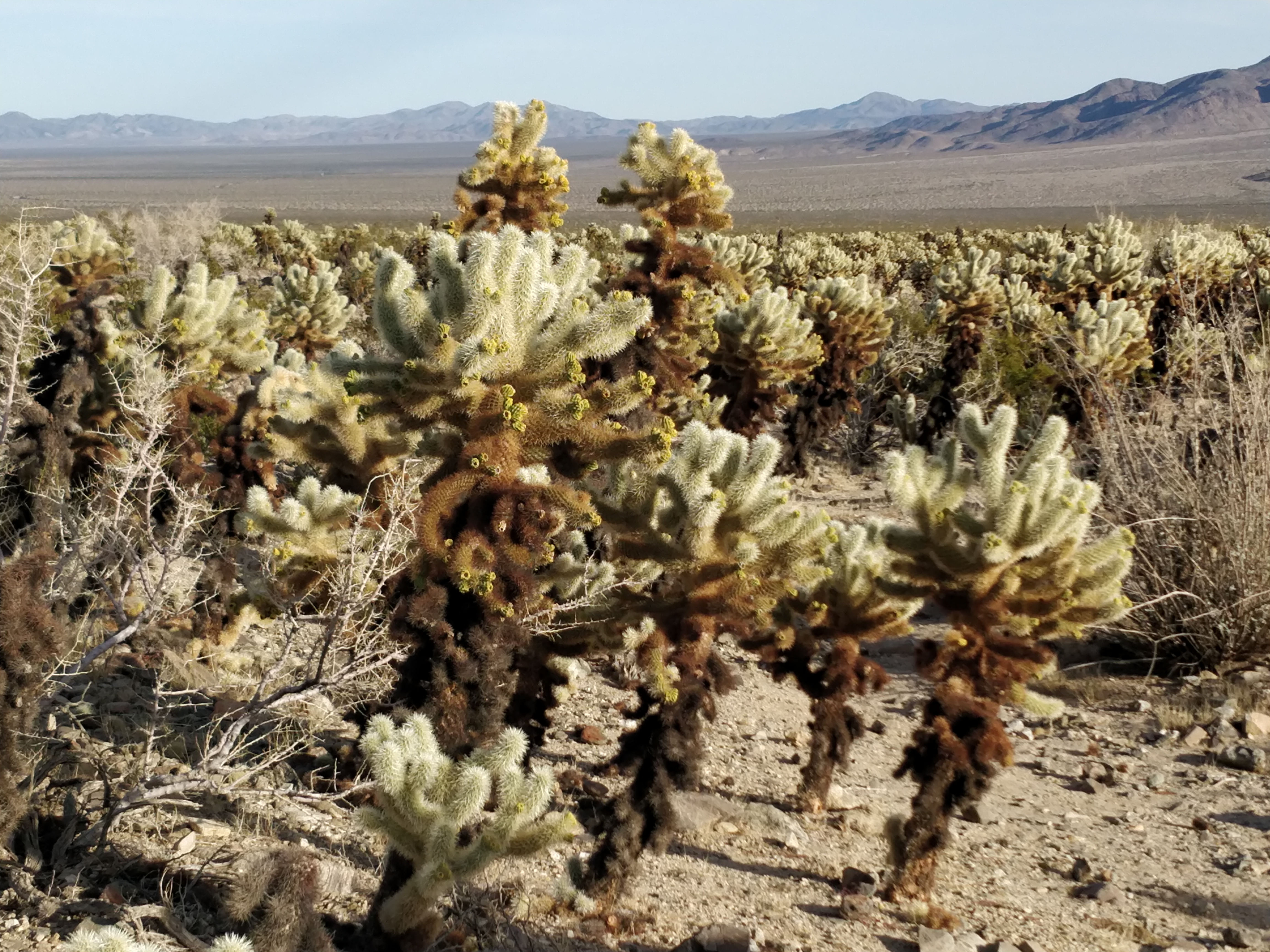
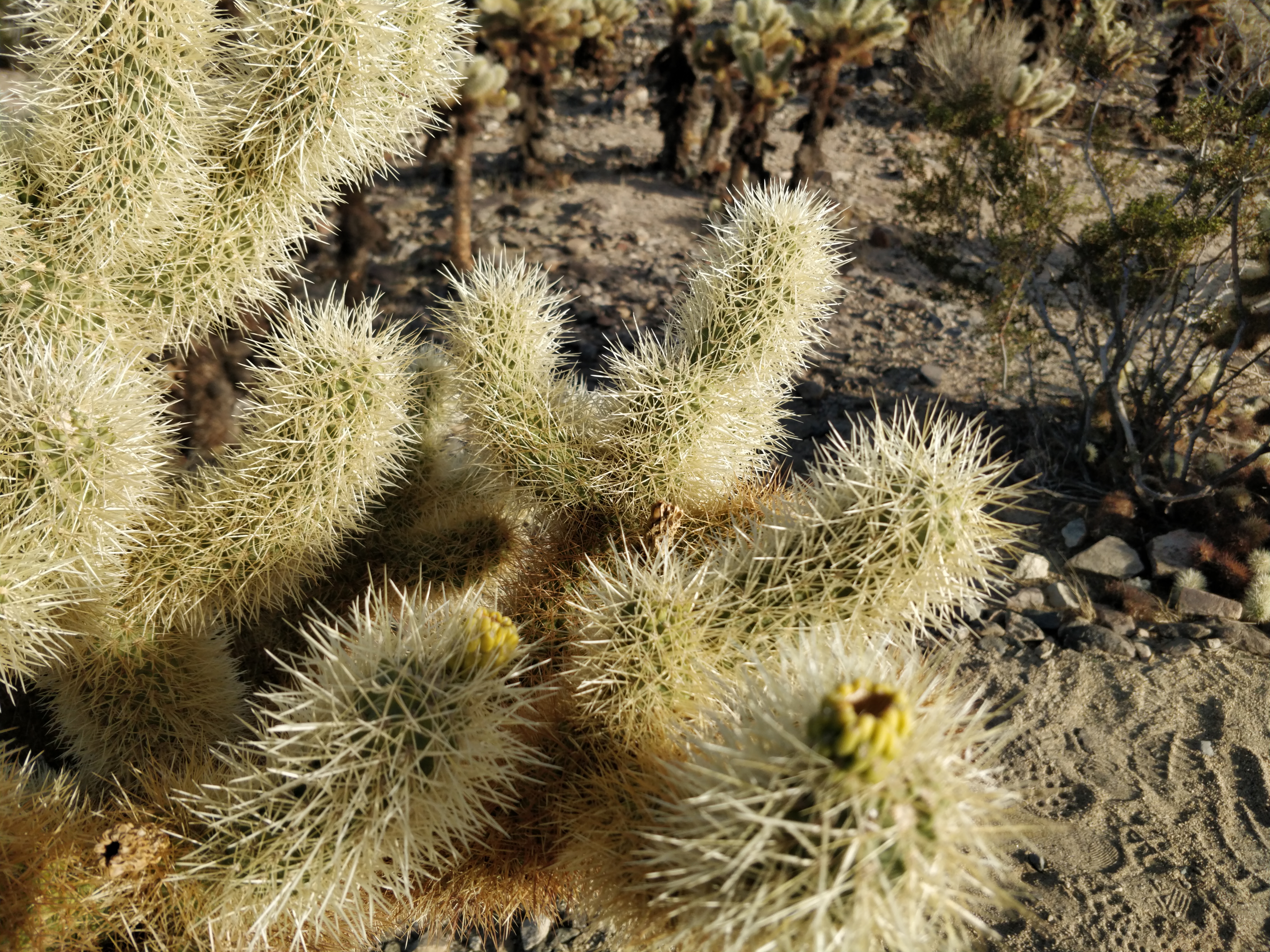
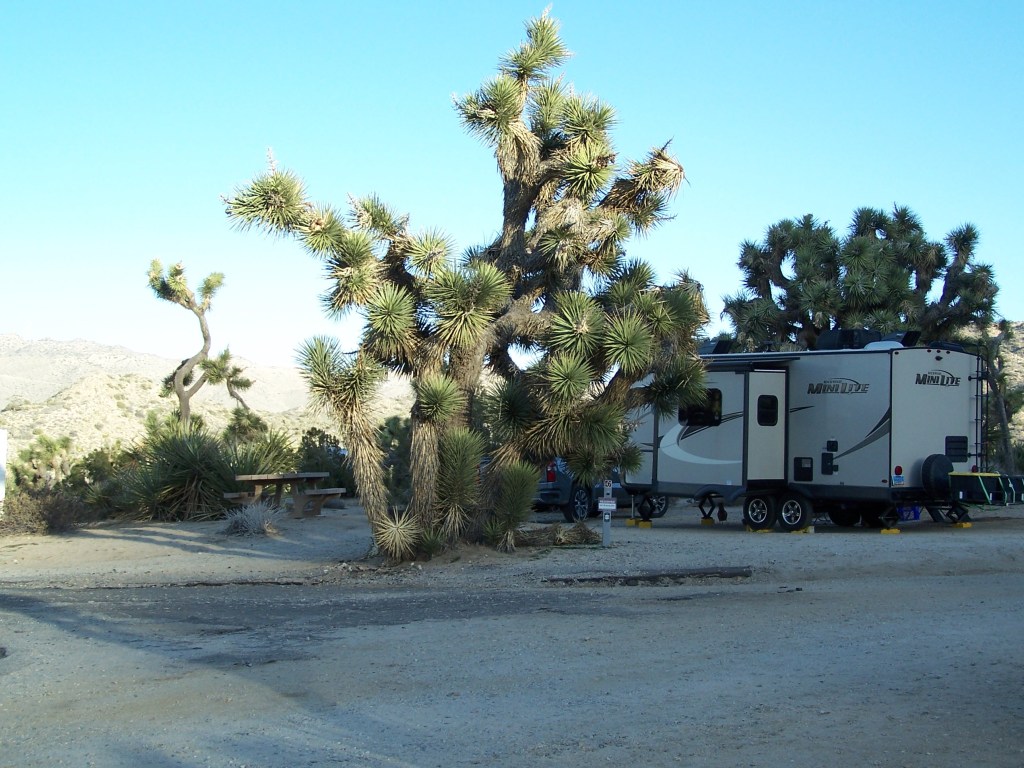
While a day trip to Joshua Tree was a fantastic experience, we were able to book a site for three nights at the Black Rock Campground in the western end of the park to enjoy a few more hikes and stargazing.
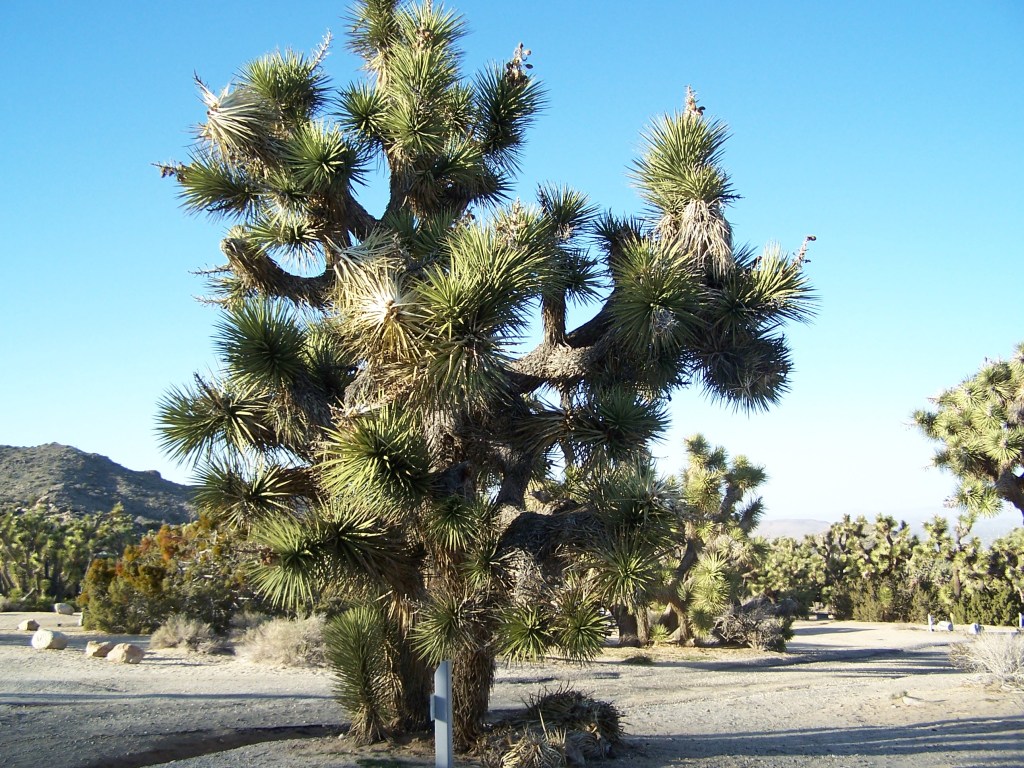
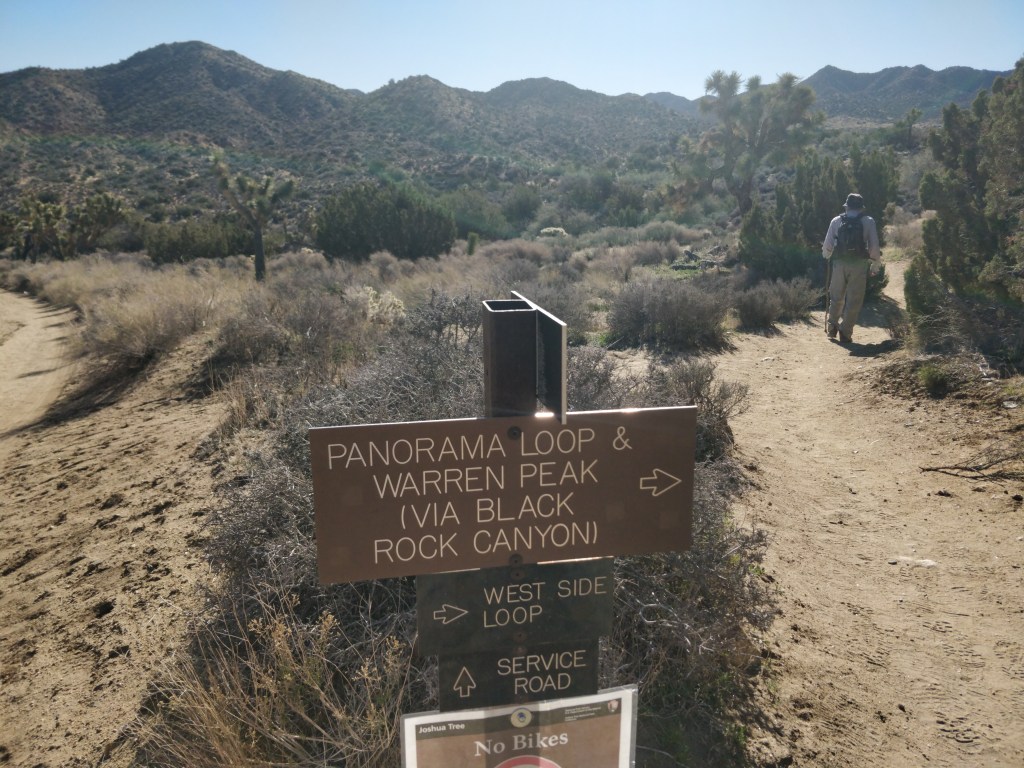
We took the Panorama trail to the top of the peak for a view into the Coachella Valley where Palm Springs is located and out towards the Santa Rosa mountains and the Yucca valley.
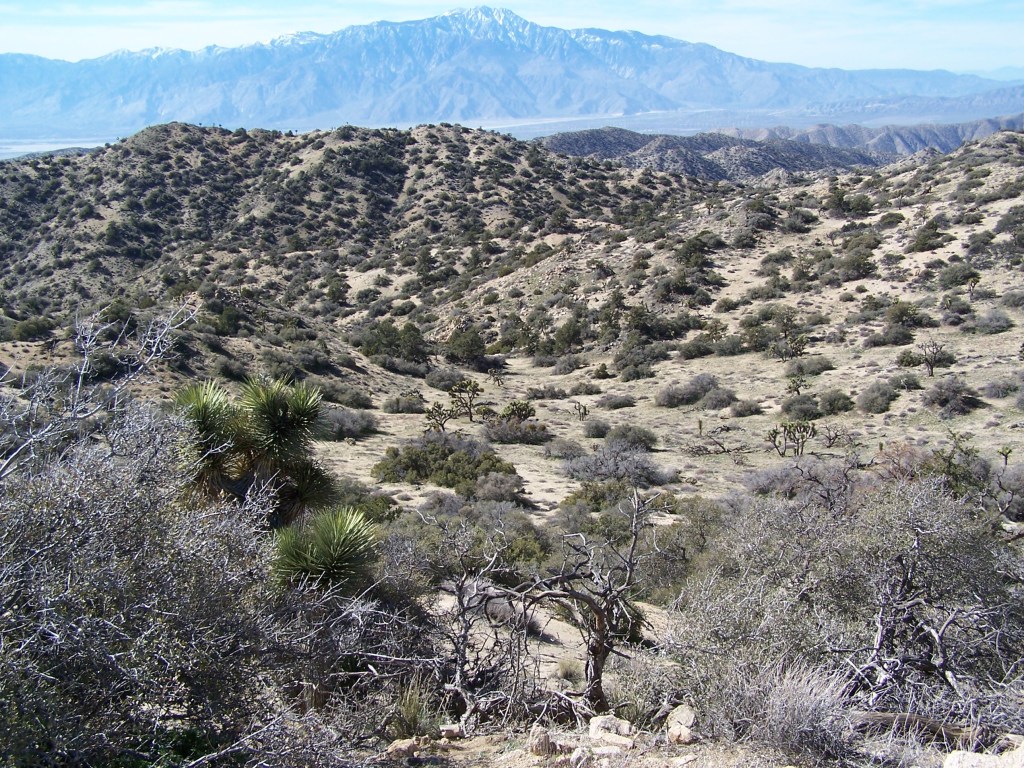
The campground had several trails leading into the canyons and foothills in this remote corner of the JTNP which were a joy to explore.
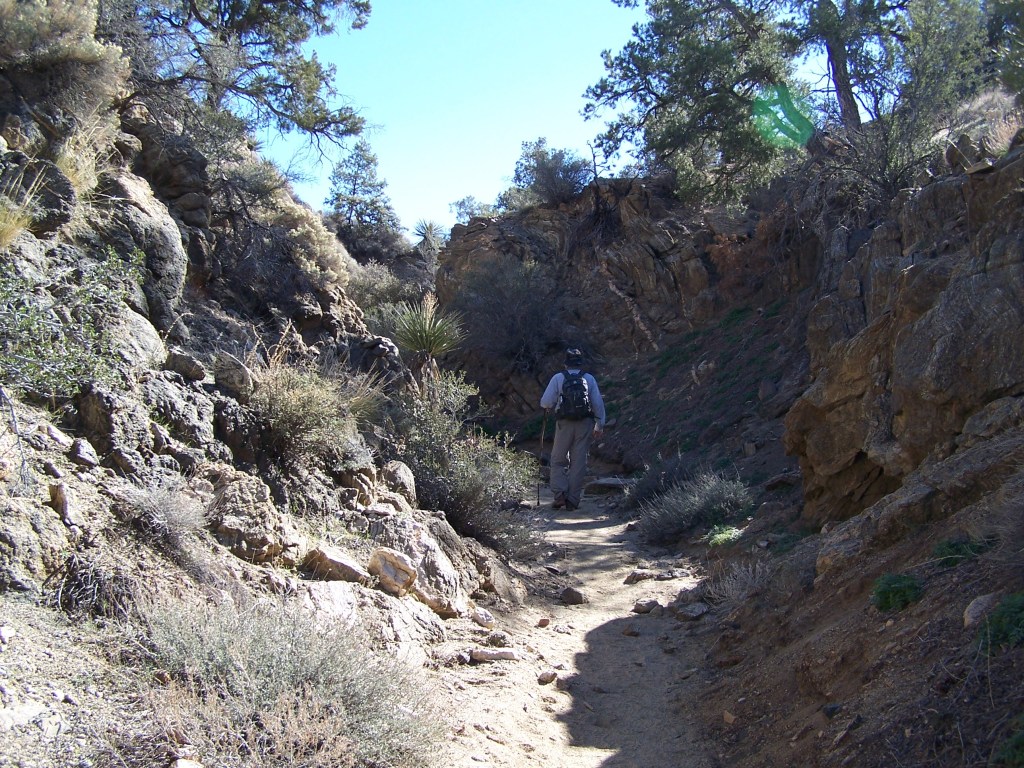
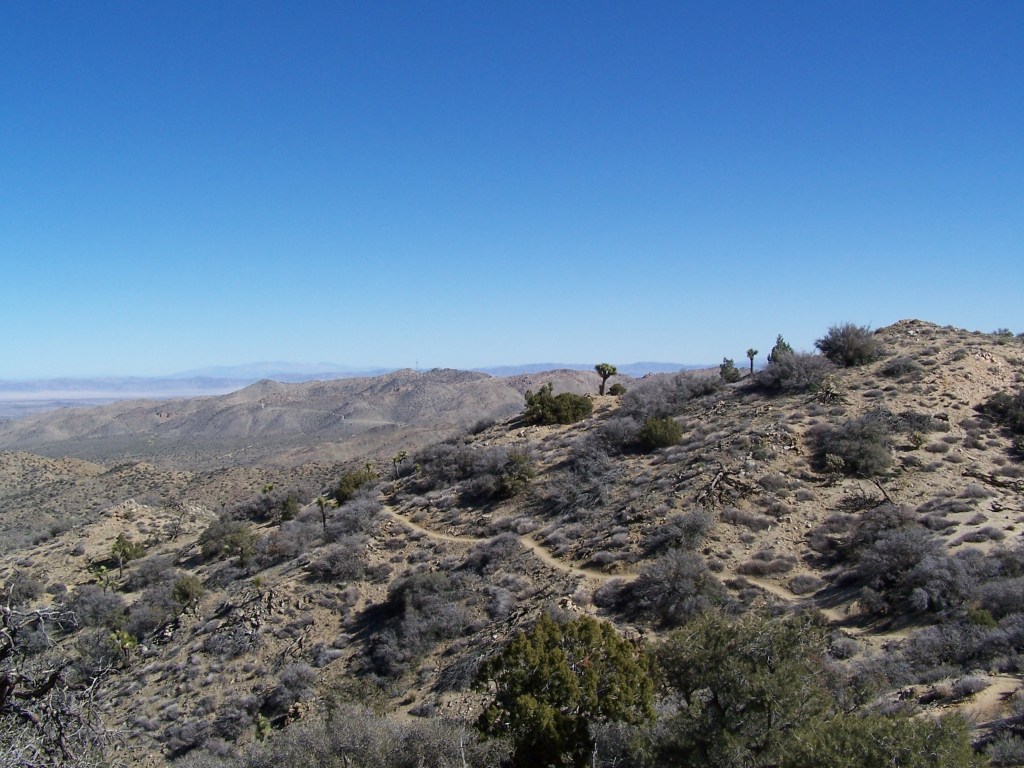
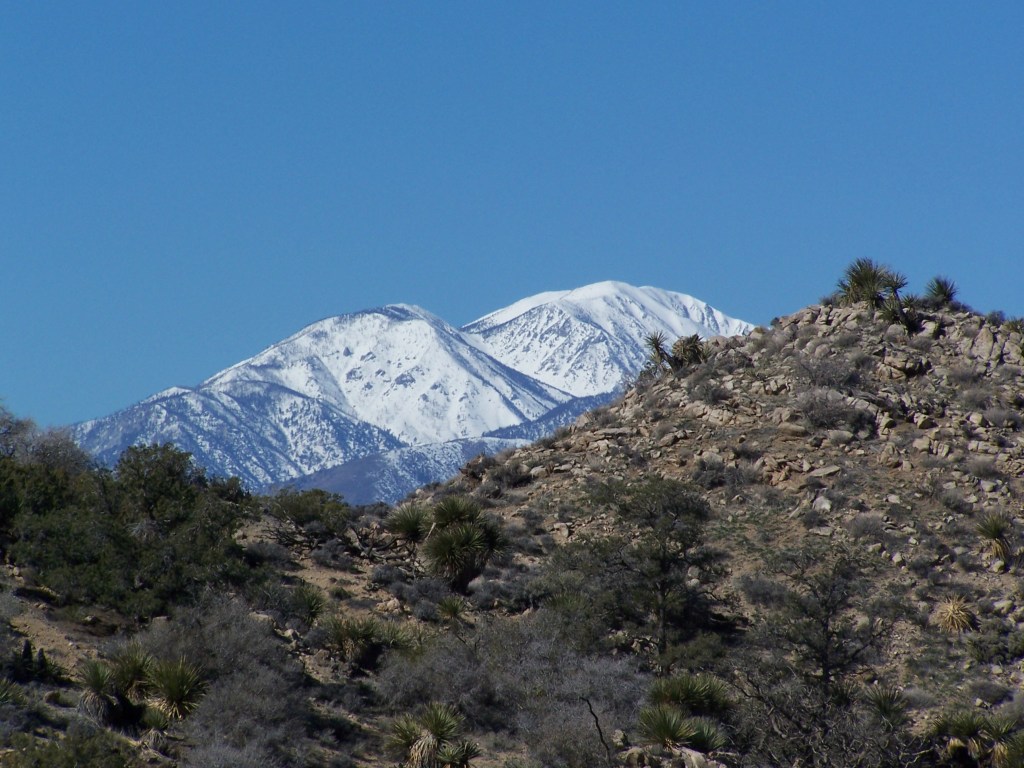
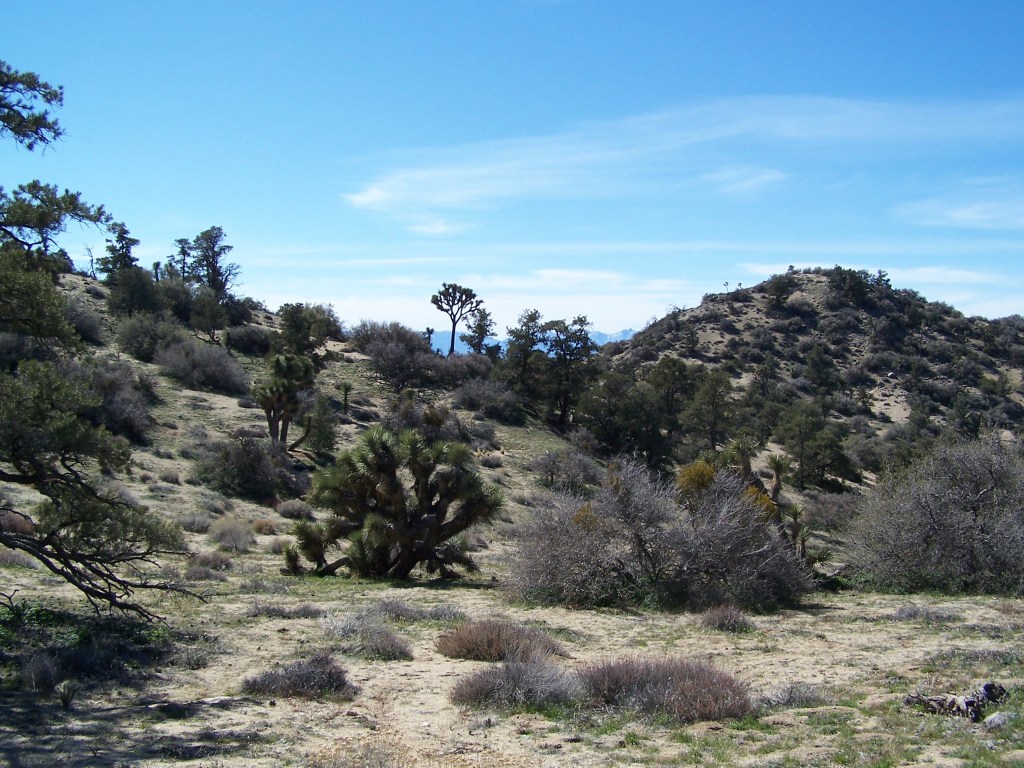
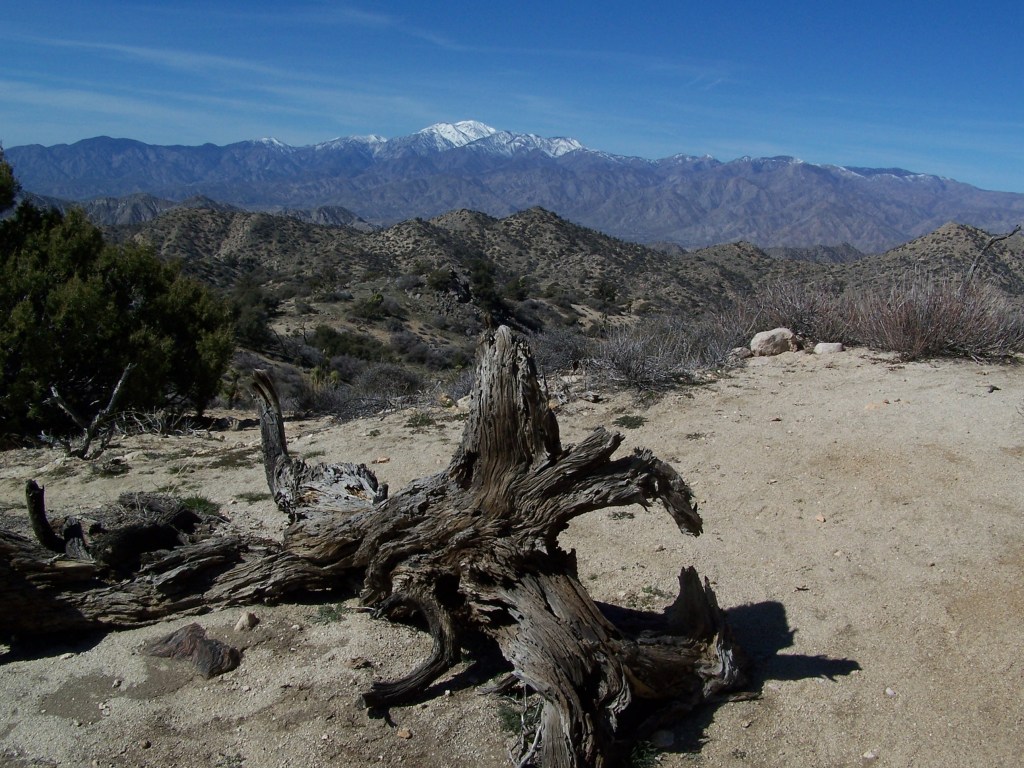
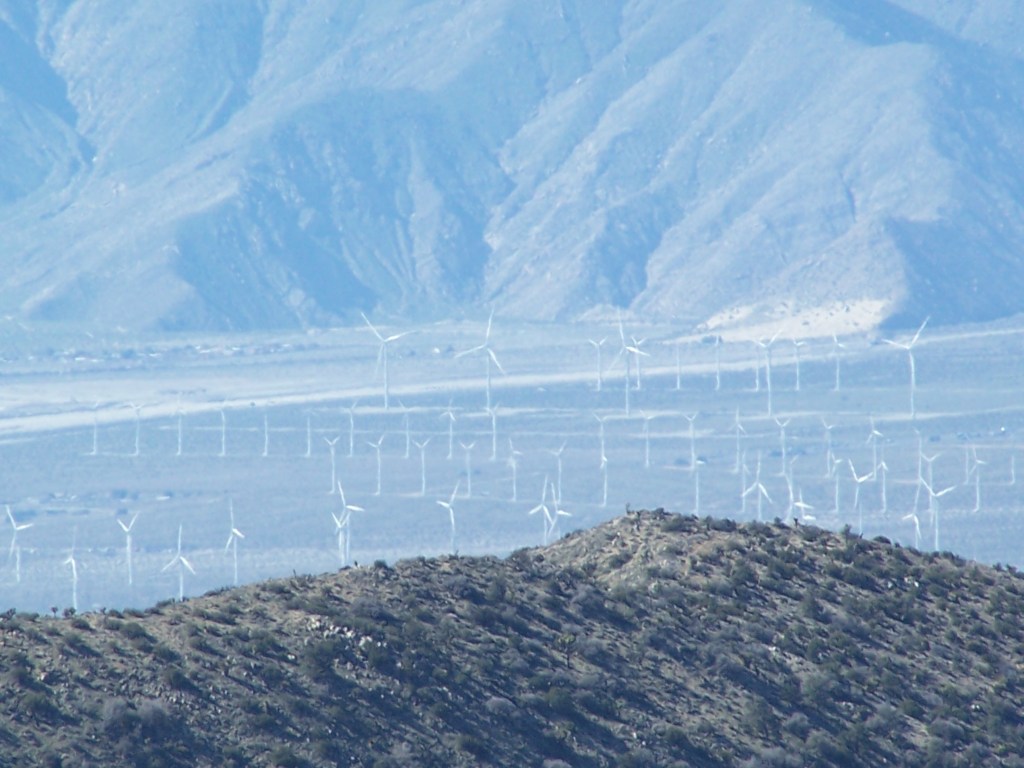

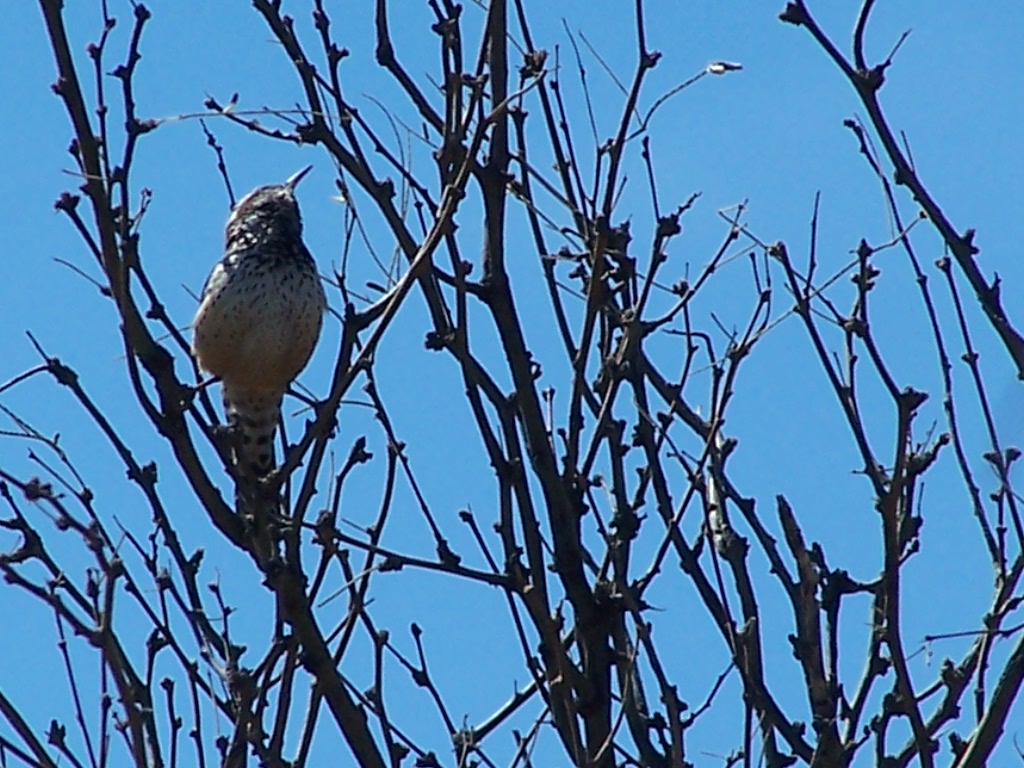
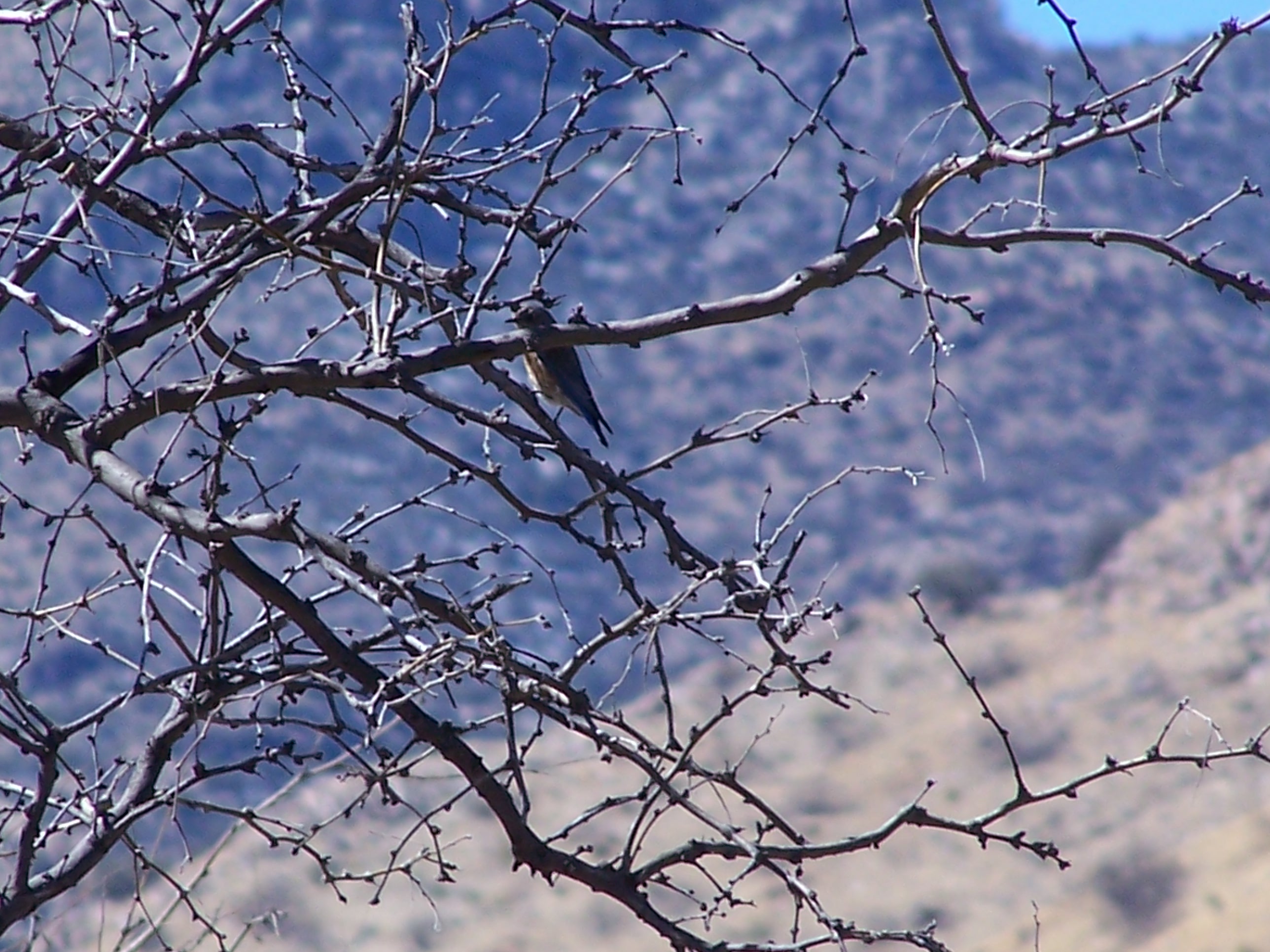
Venus and Jupiter were spectacular in the night sky during our stay. And the birds were more active than we’ve seen in a while.
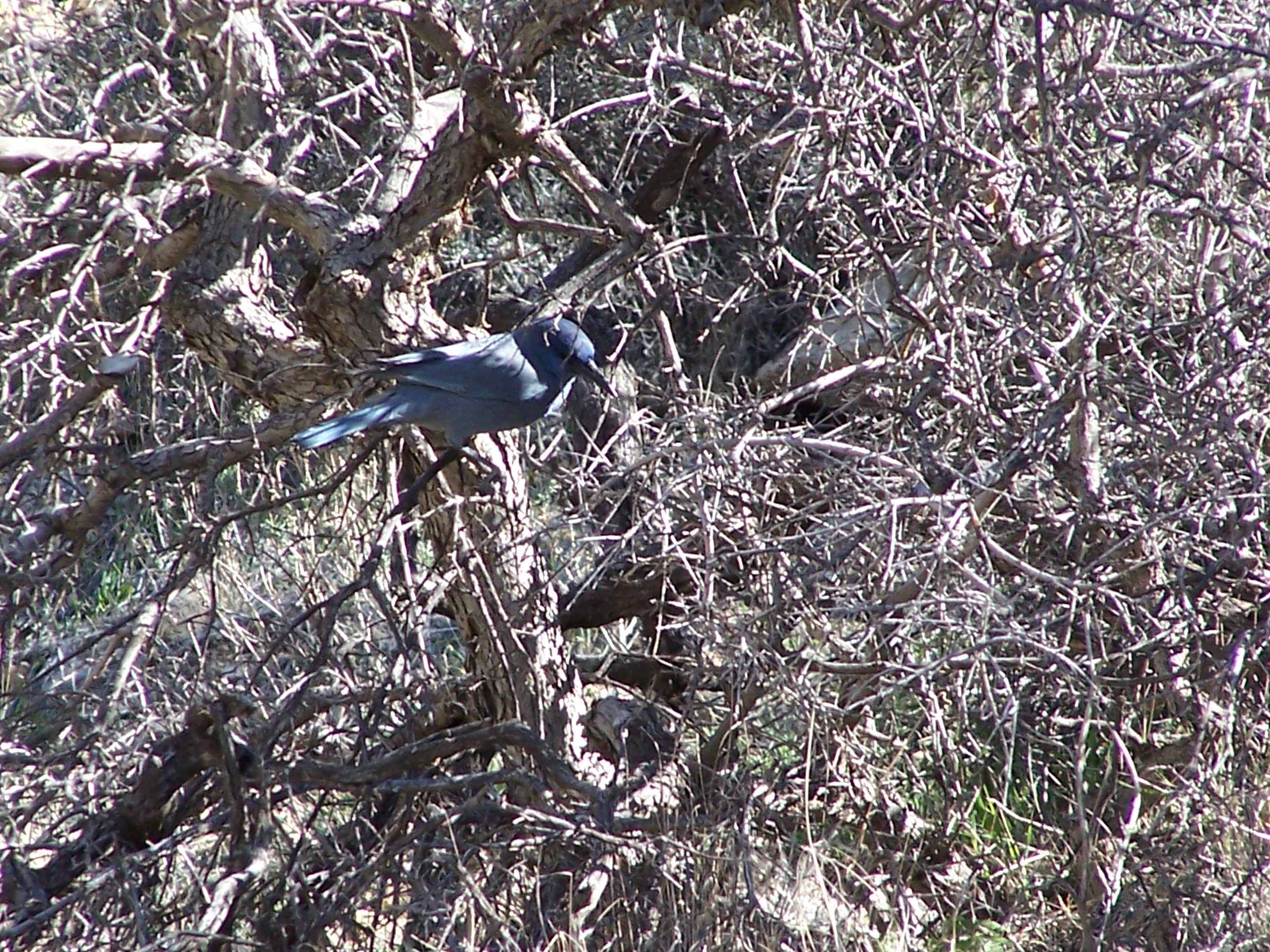
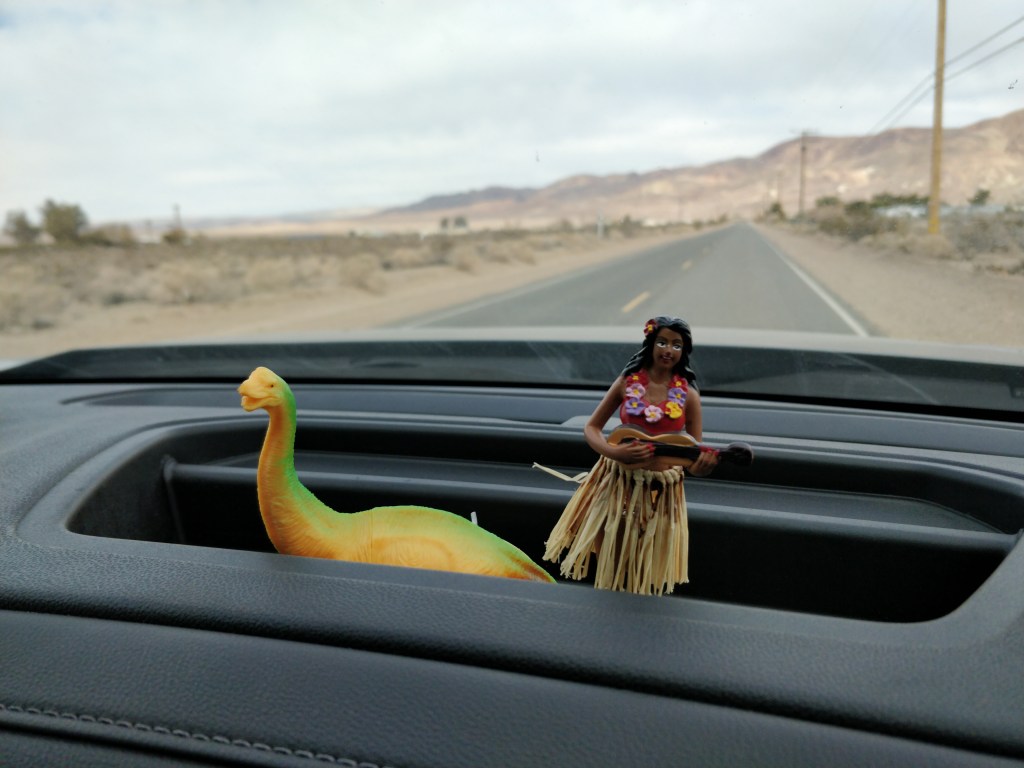
We left the valley of stars, stargazing, and hot springs to head for the hills.
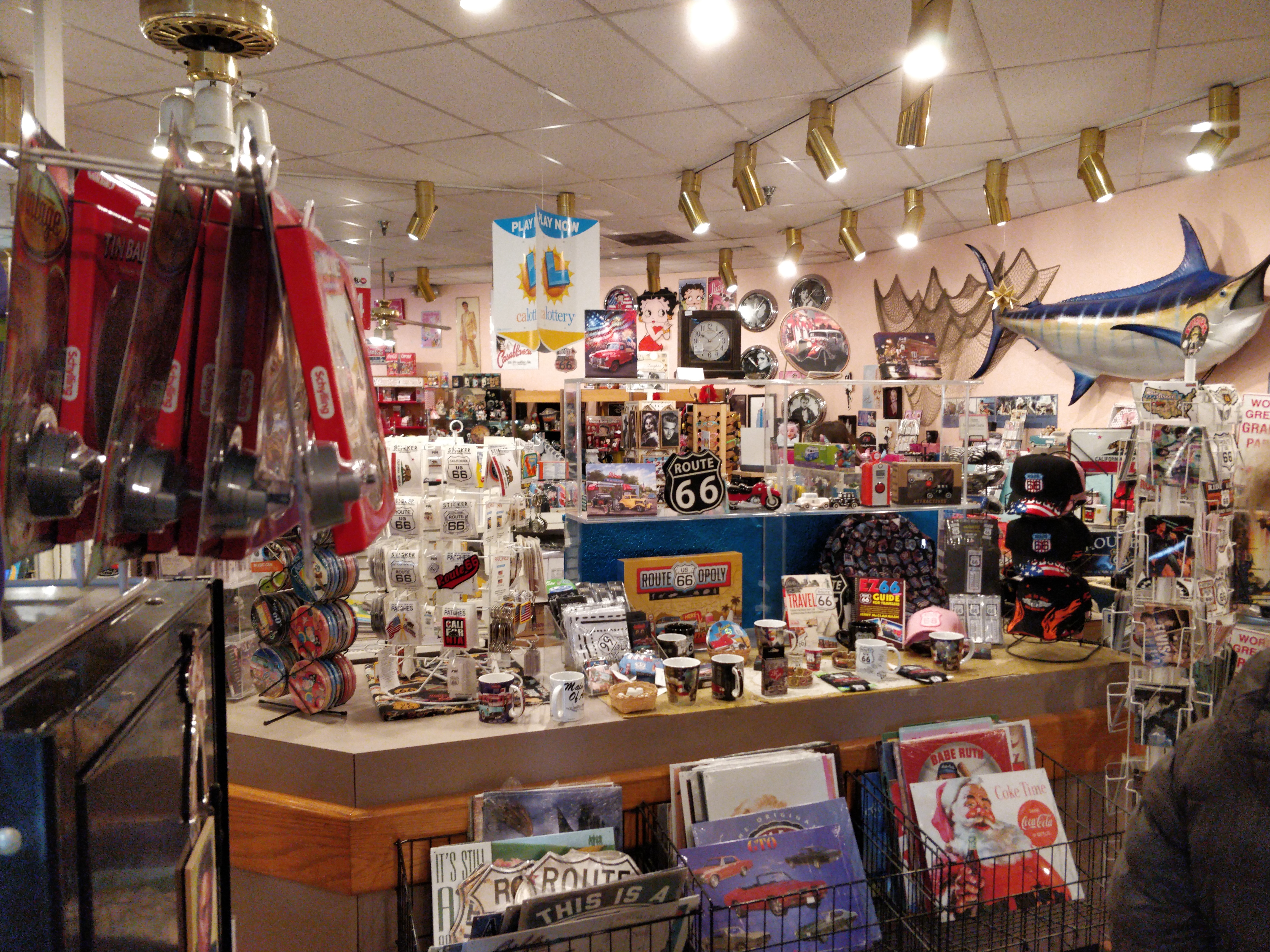
Near Barstow, CA, the 1950’s are alive and well and living at Peggy Sue’s Diner. The cruise-in added to the bobby socks and leather jacket vibes.
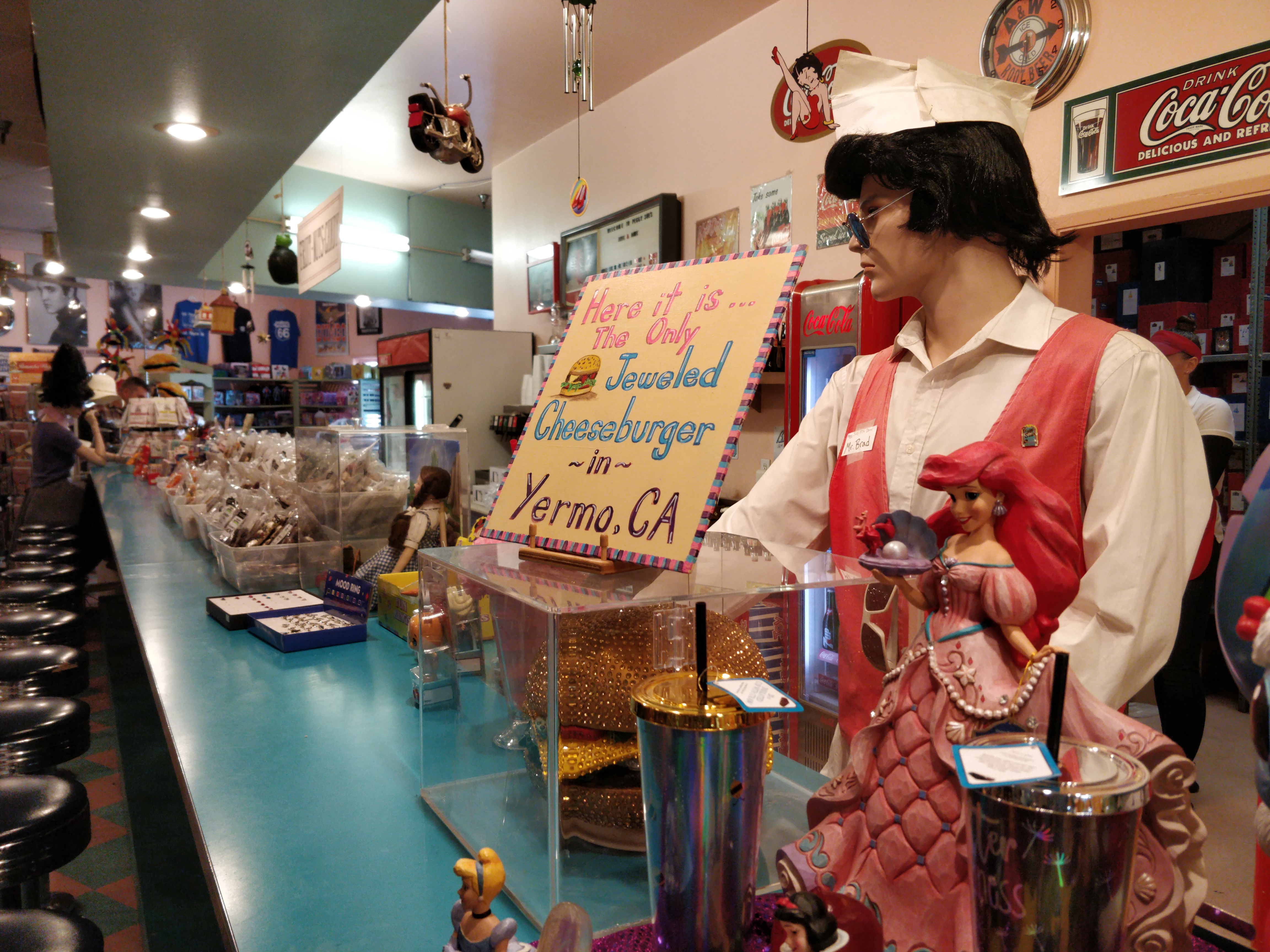
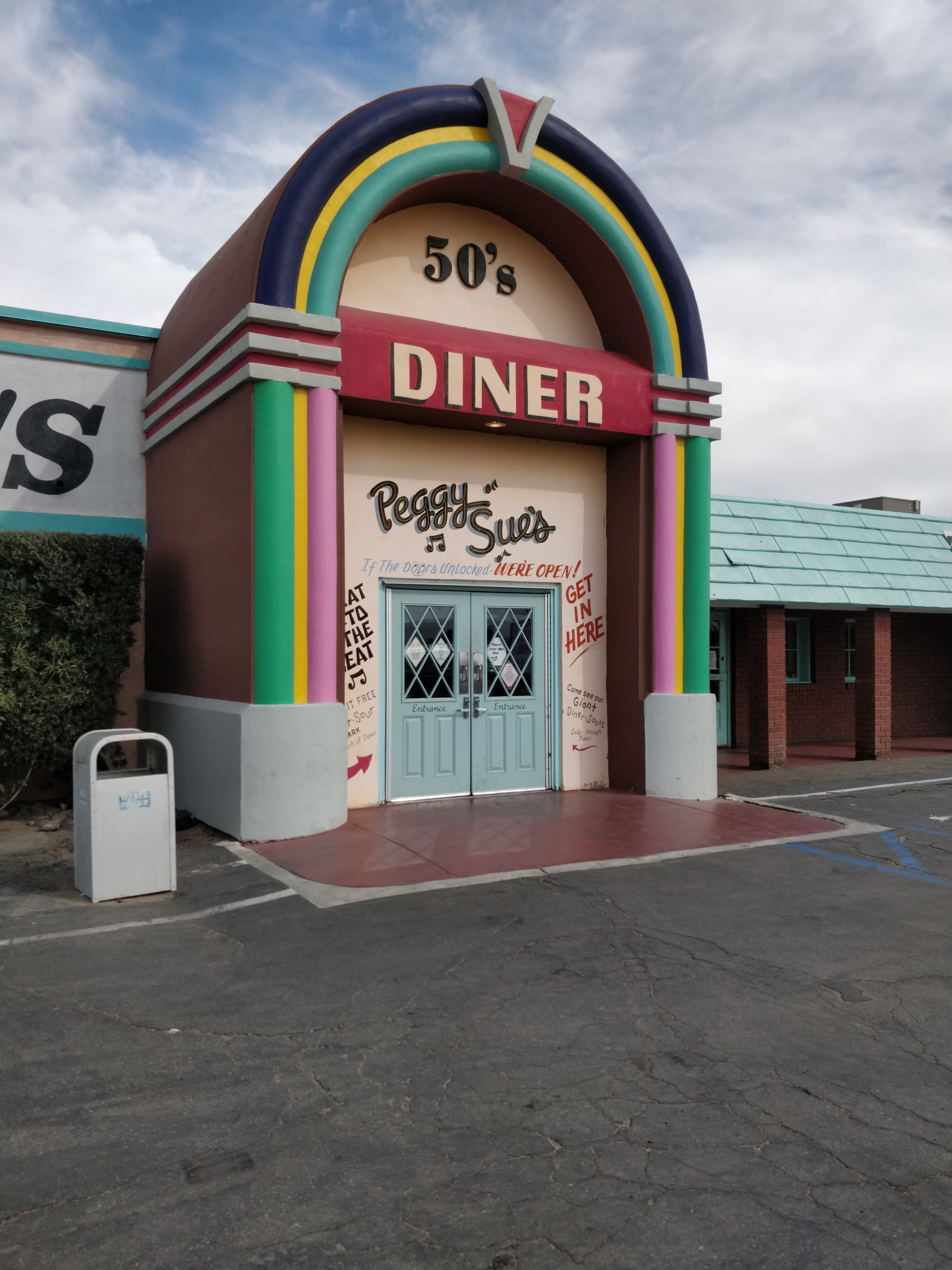
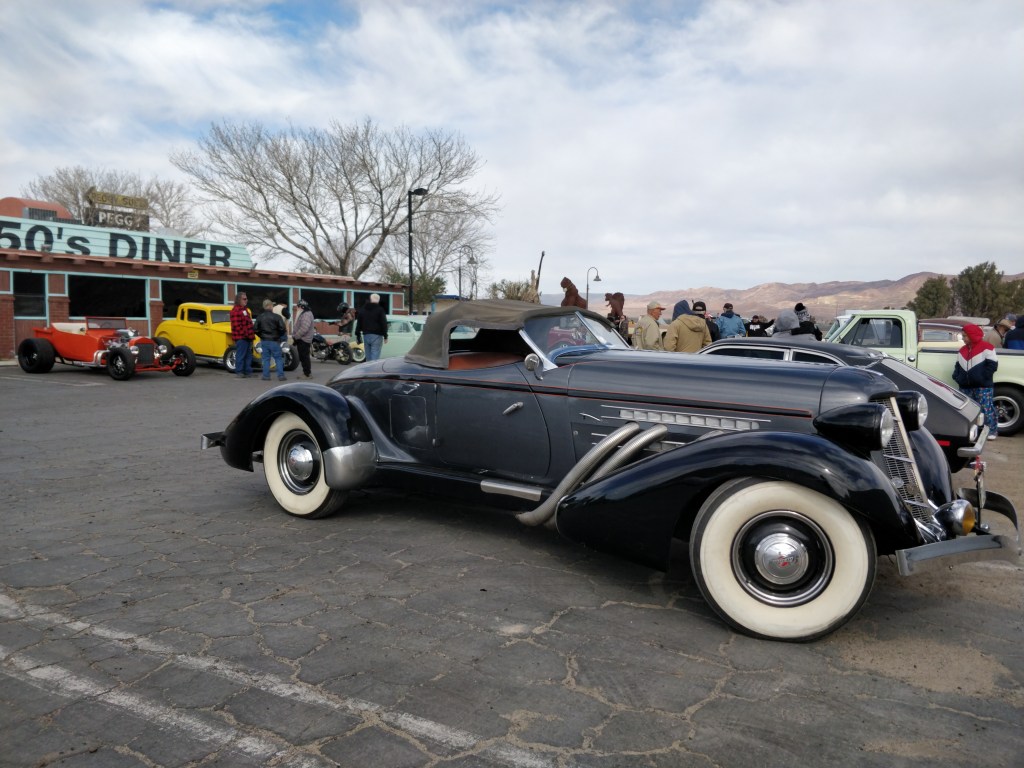
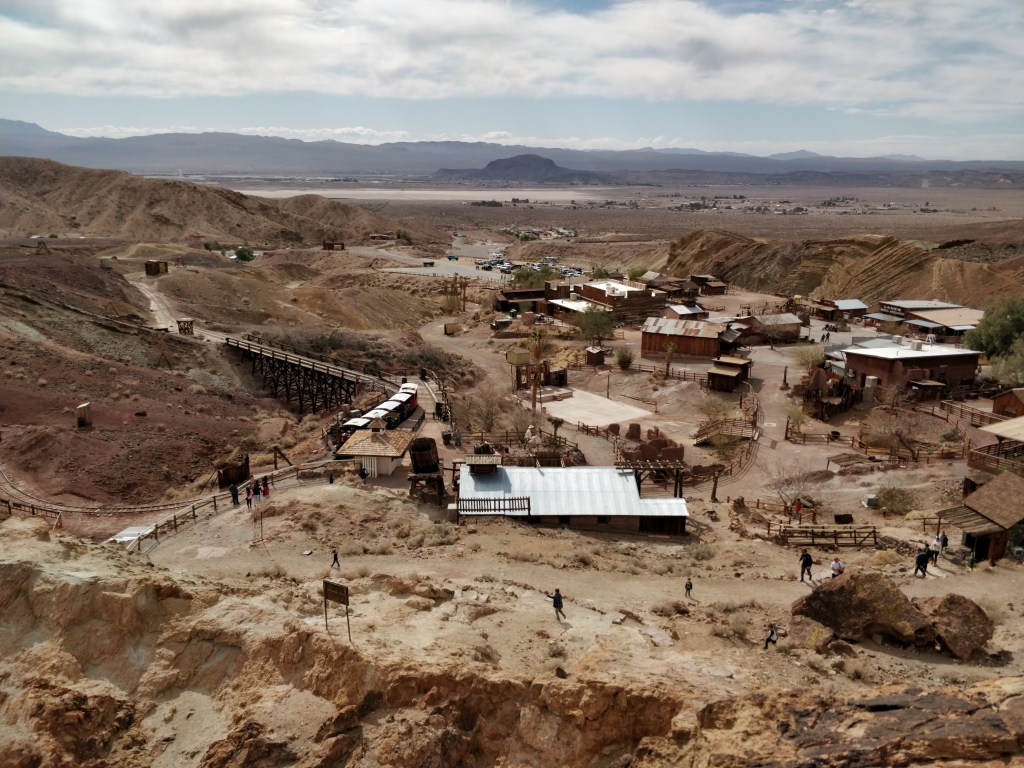
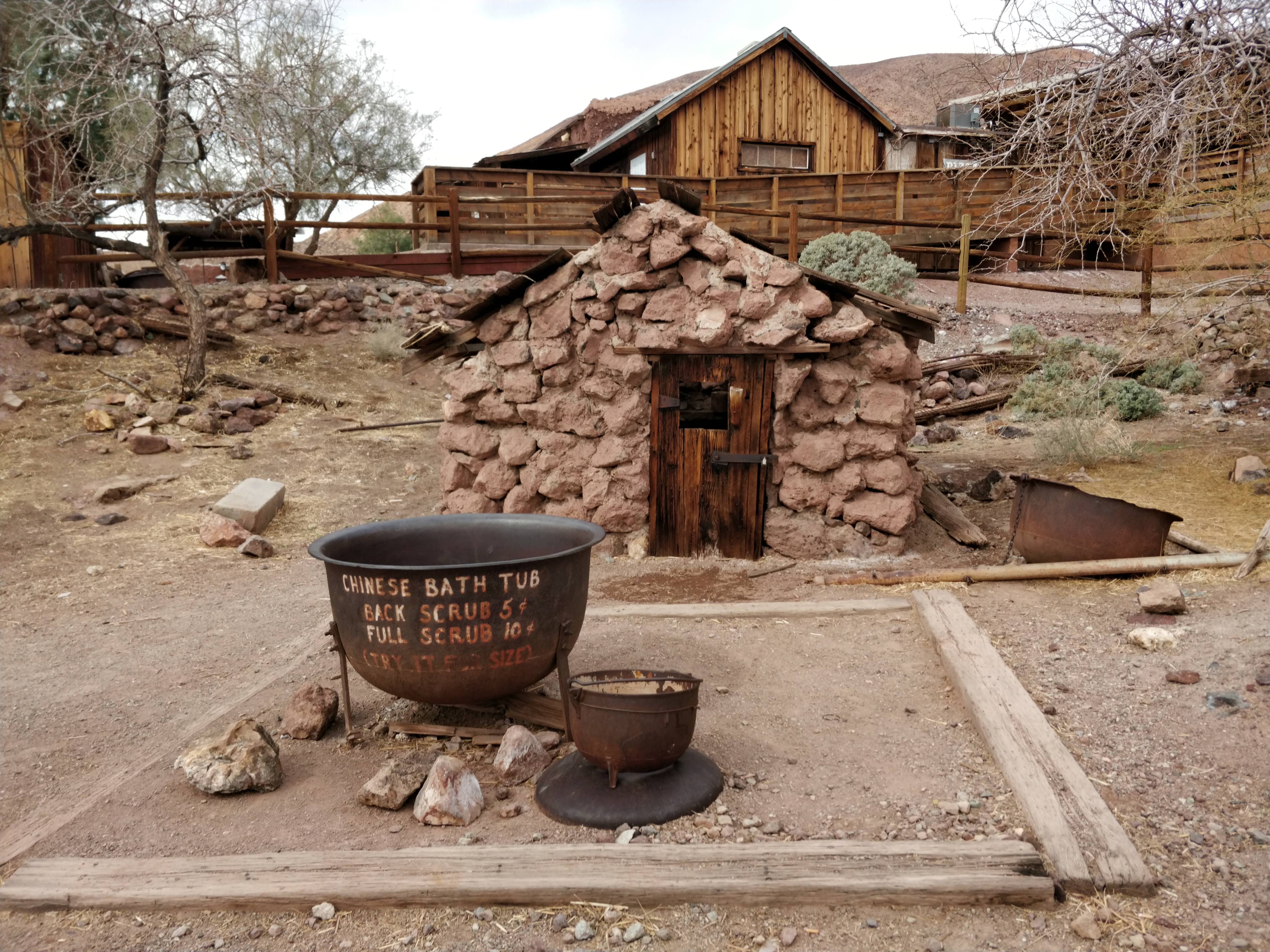
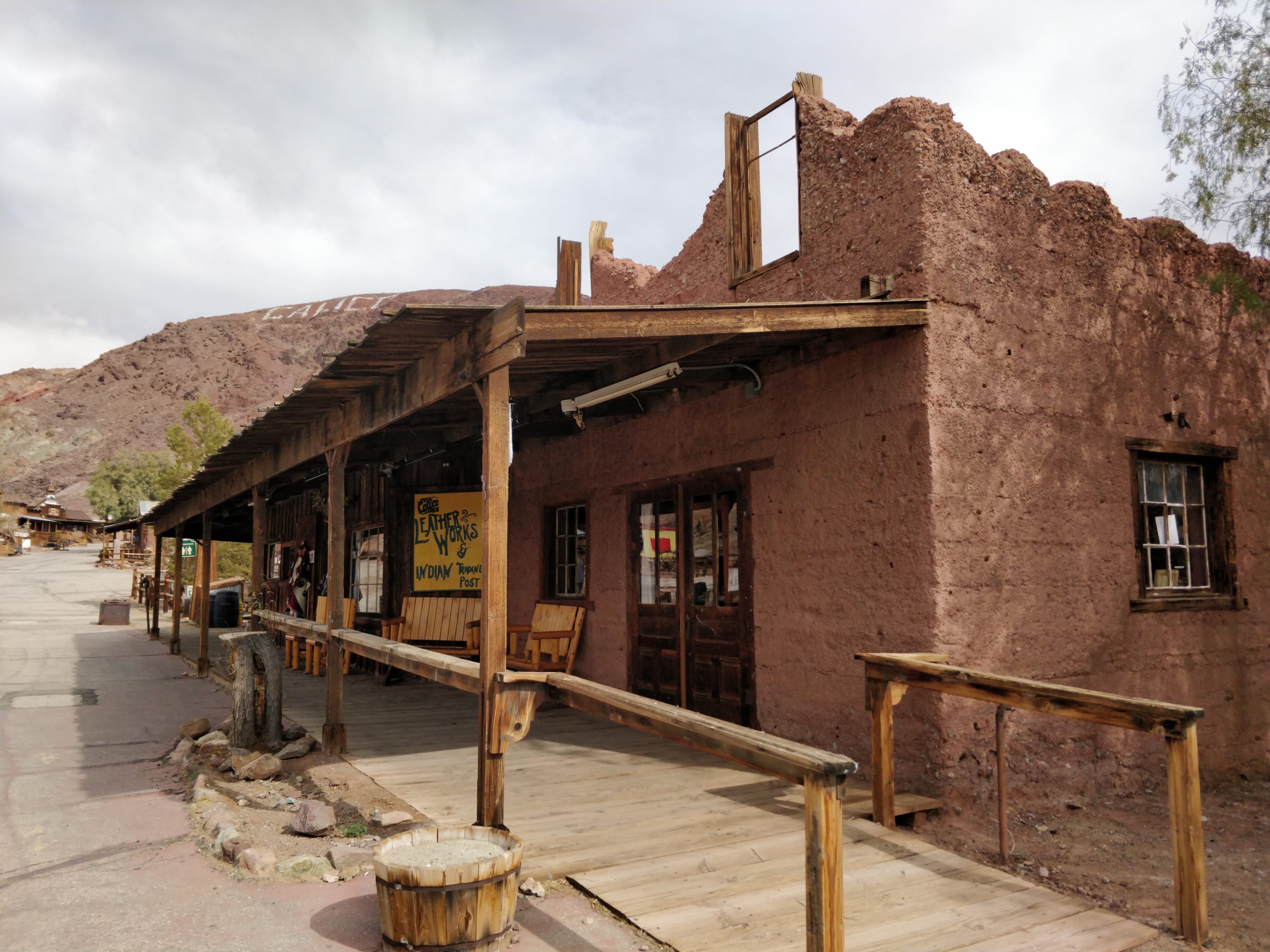
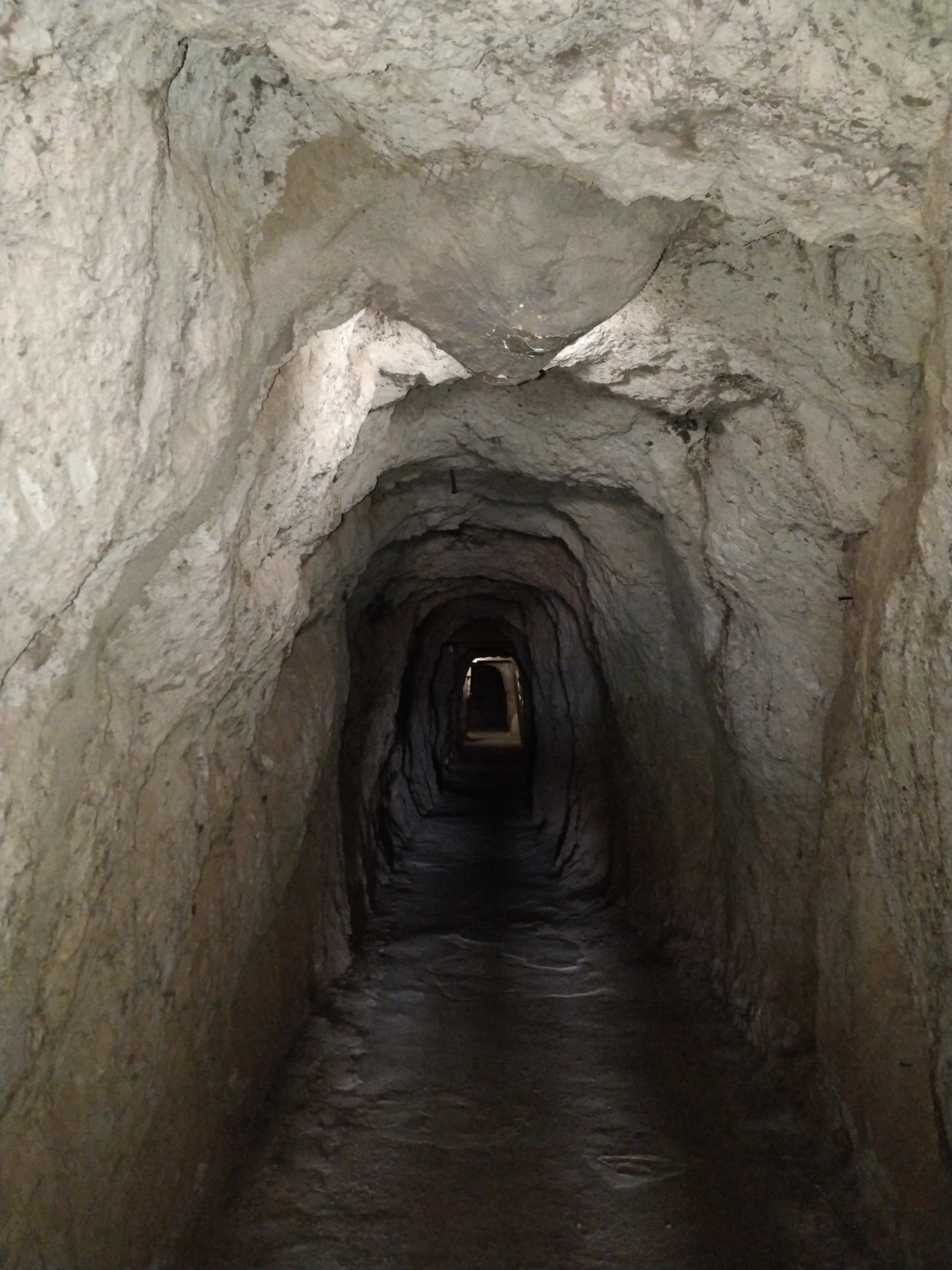
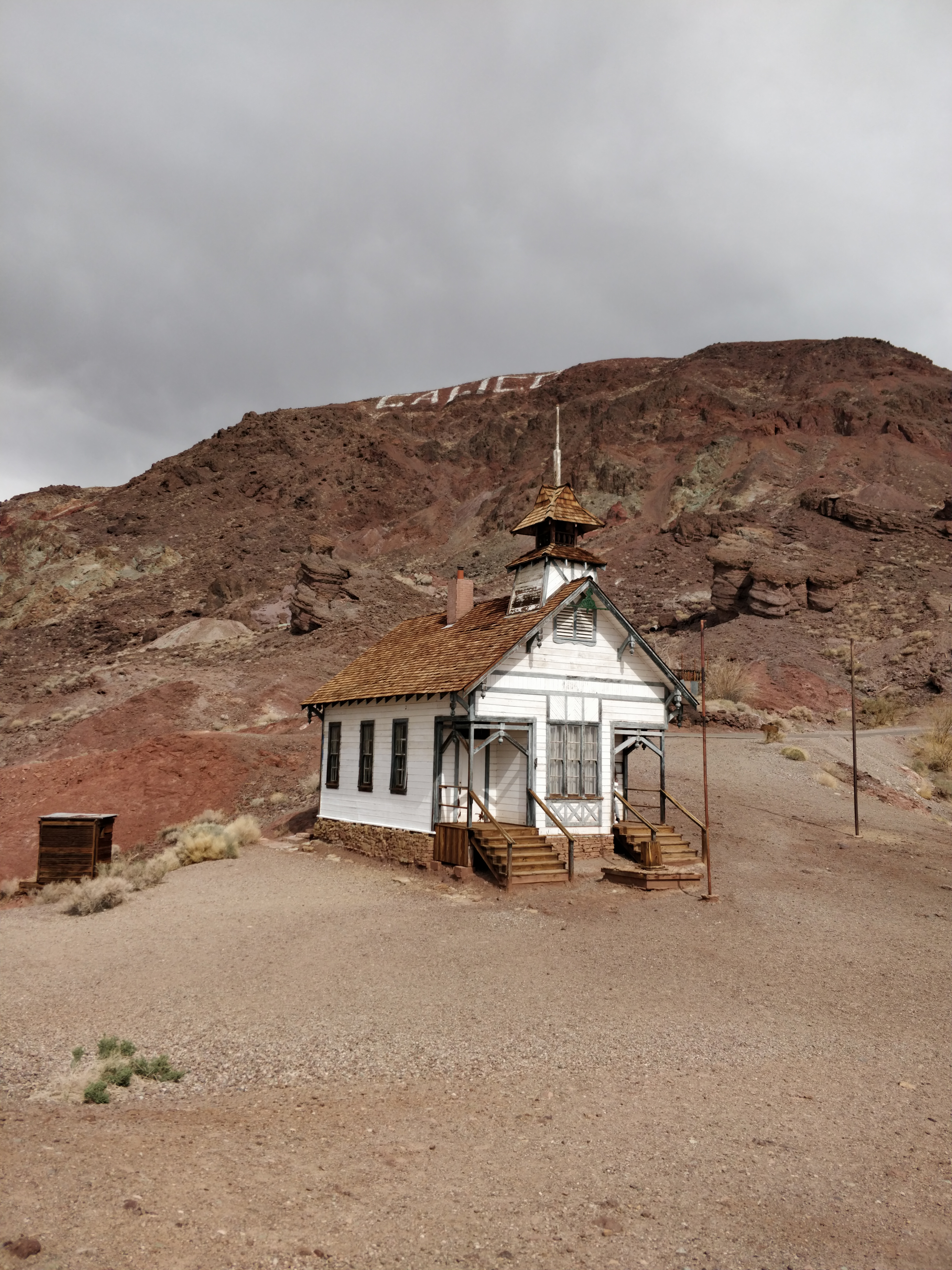
Calico Ghost Town was our next stop as we followed in the footsteps (and mule paths) of the silver prospectors in the Mojave desert.
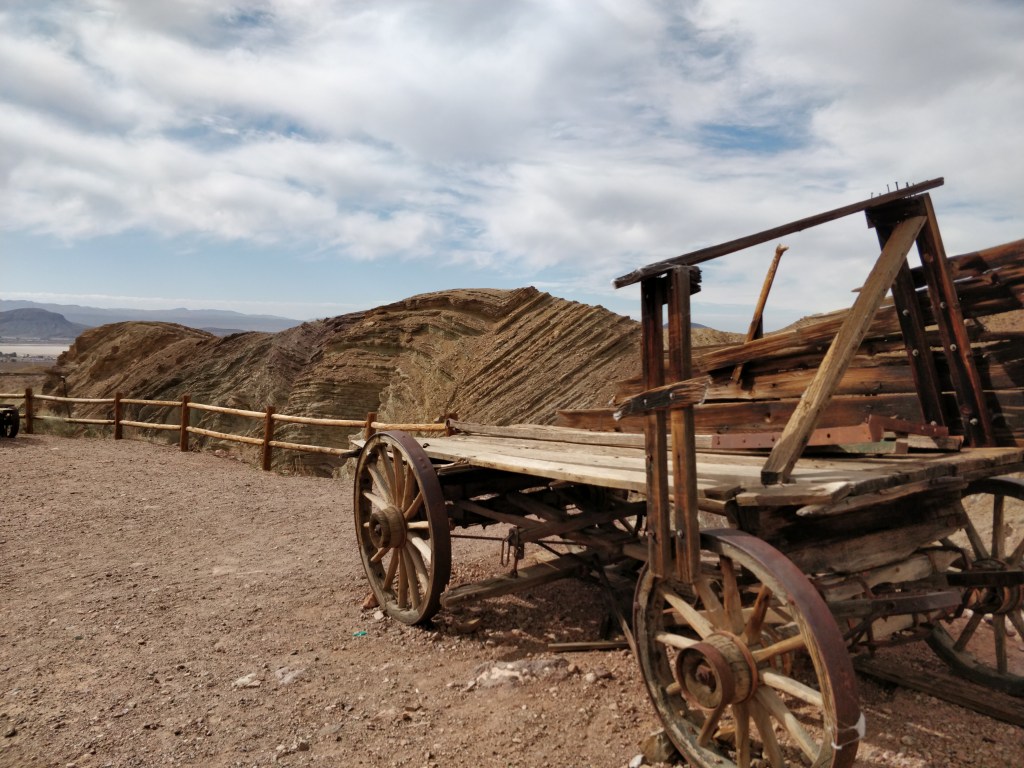
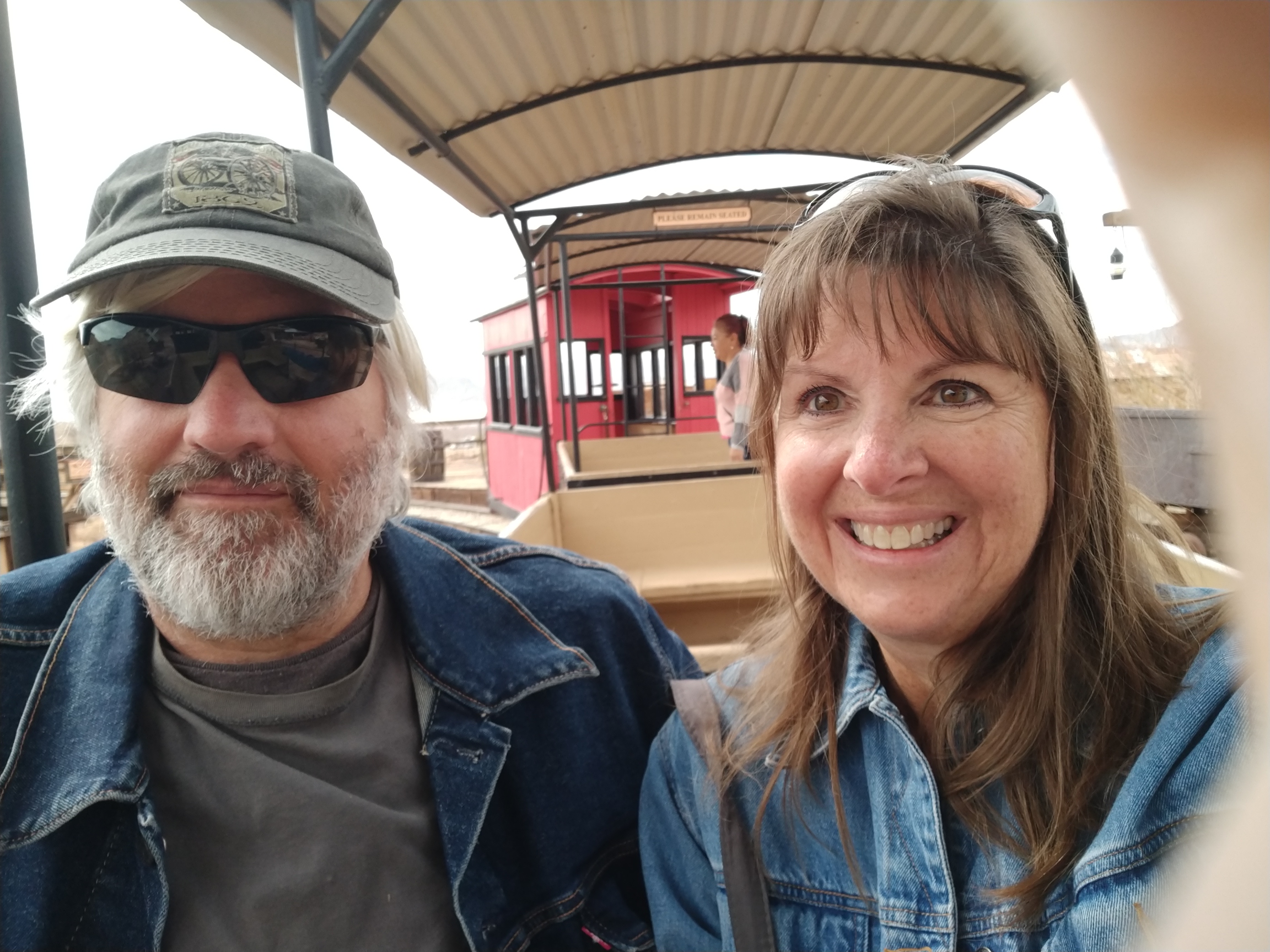
Calico was founded in 1881 during the largest silver strike in California. The town was abandoned in the 1890’s after the value of silver dropped. Restored by the Knott’s Berry Farm owner in the 1950’s, the town has an amusement park feel mixed with history.

We stepped out of the past and began our preparations to explore southern Arizona.

CAMPGROUND REVIEW: BLACK ROCK CAMPGROUND-JOSHUA TREE NP
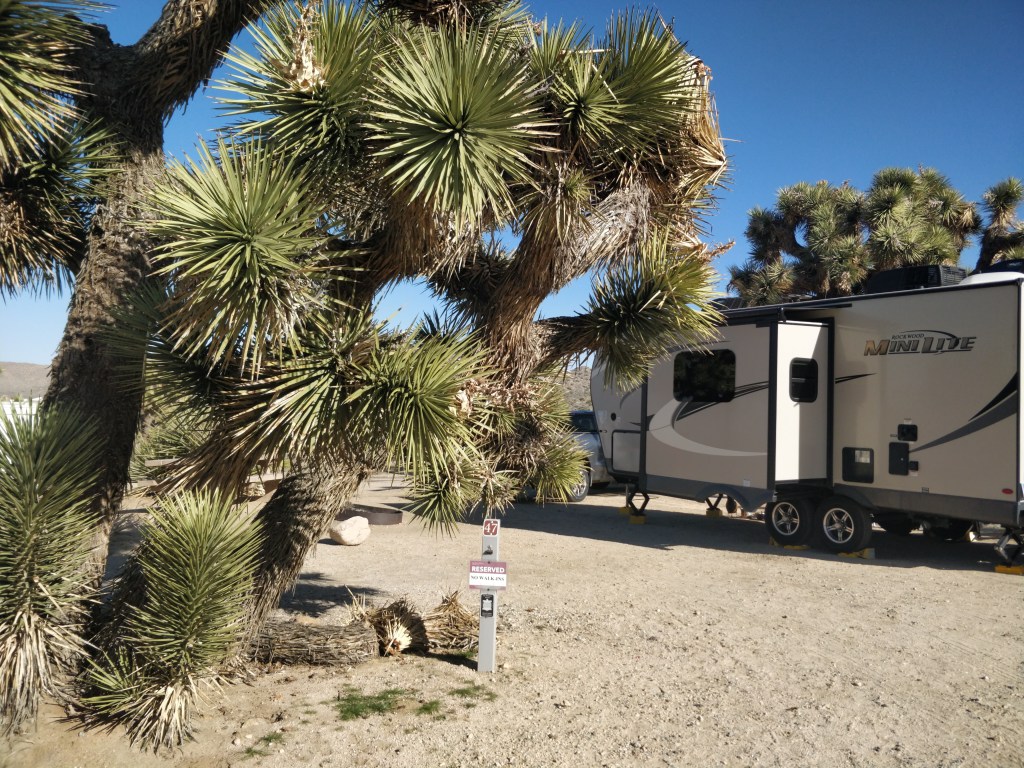
Dry camped at Joshua Tree National Park’s Black Rock Campground for three nights. Site #47 was large, pull-thru, and made of sand/gravel, but very uneven. We used blocks to level the trailer. Also included are picnic table and fire ring. Restrooms have flush toilets, running water and were clean. Campground had very low light for good stargazing and limited generator hours. Black Rock’s roads were in very poor condition and extreme caution was required when navigating through the campground. Several well maintained trails into the park are available from the campground which provided us with spectacular views of the Joshua Tree forest and overlooks. This campground had more availability and sites were more spacious than Jumbo Rocks and other RV camping options at the park, however it is separate from the main entrance which is about a fifteen minute drive away. We would recommend Black Rock Campground for the experience to be inside the less crowded part of Joshua Tree National Park and hiking trails.
Thank you for visiting TheirRVtravels! We’re so glad to have you along for the ride!
Please take a moment to subscribe and you’ll receive a notice each time a new post is published.


NEXT UP… ARIZONA – YUMA TO TOMBSTONE
 Their RV Travels