
In this post, we travel to Carlsbad Caverns National Park in New Mexico and back to Texas for a three day stay at Guadalupe Mountains National Park.
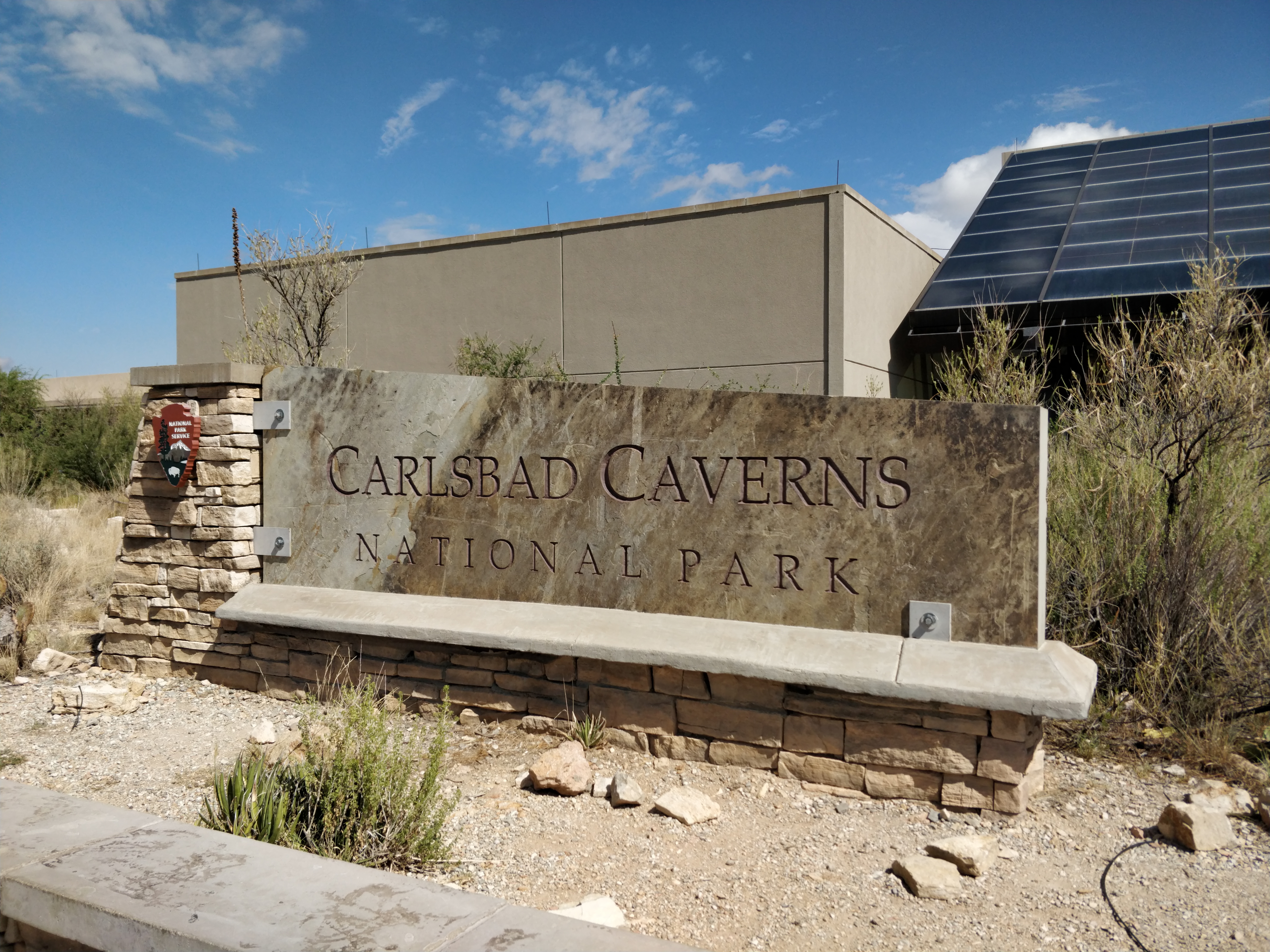
Carlsbad Caverns National Park, New Mexico
Carlsbad Caverns lives up to its reputation as the most majestic and grand of all the National Park subterranean attractions. The Caverns are awe inspiring in sheer size and natural formations. From the Visitor Center, an entire bank of elevators is available to whisk visitors through 750 ft of rock to and/or from the cave floor where a restaurant and gift shop have been constructed. Self guided tours lead around the “Big Room” chamber. The park has installed LED lights to accent some of the nooks and crannies on this level. Good walking shoes are a must as the trails (several miles of trails) are slippery and uneven – which in our opinion added to the experience. Guided tours to more remote areas of the Caverns are available through reservations at the Visitor Center or on-line.
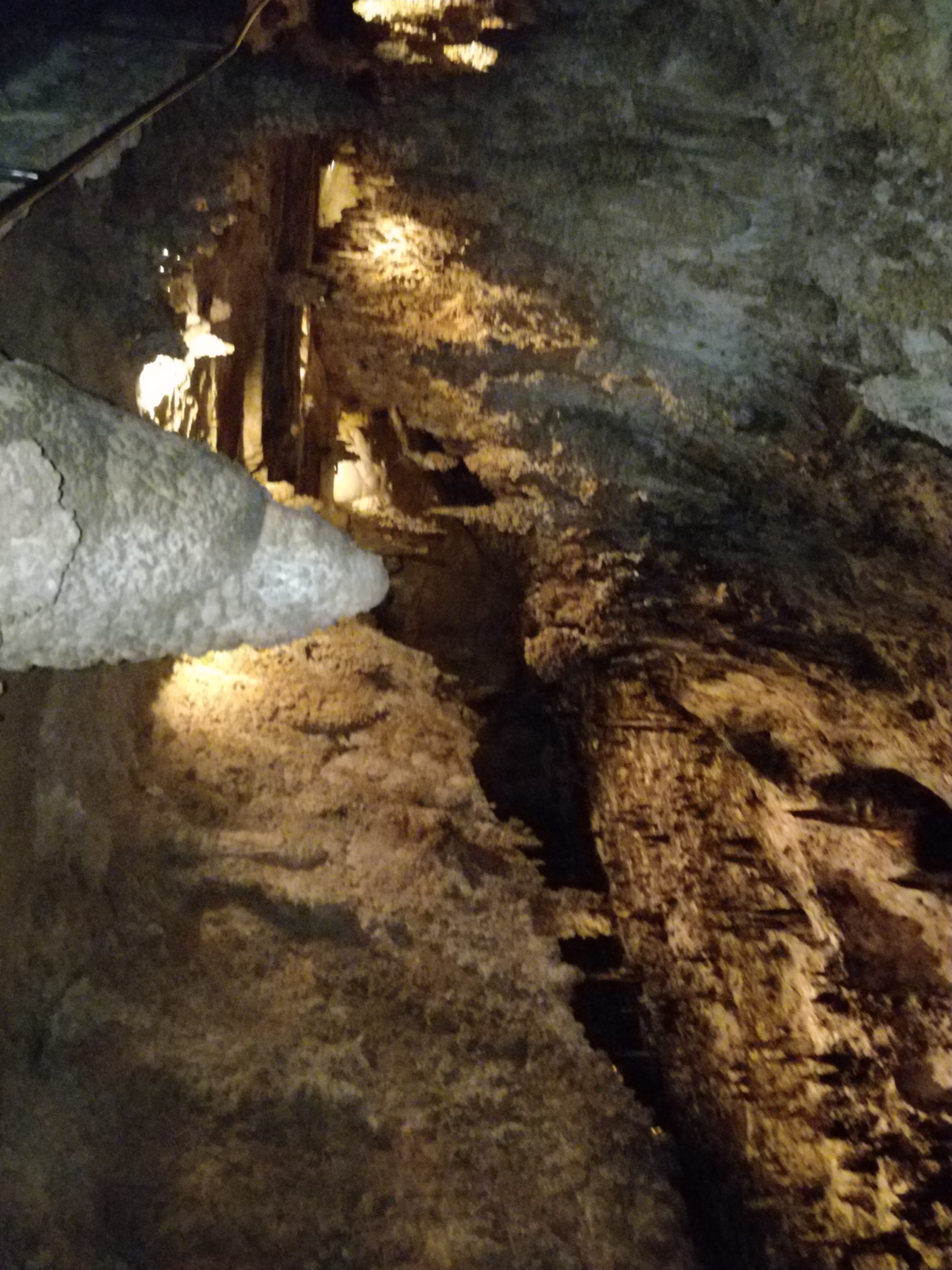
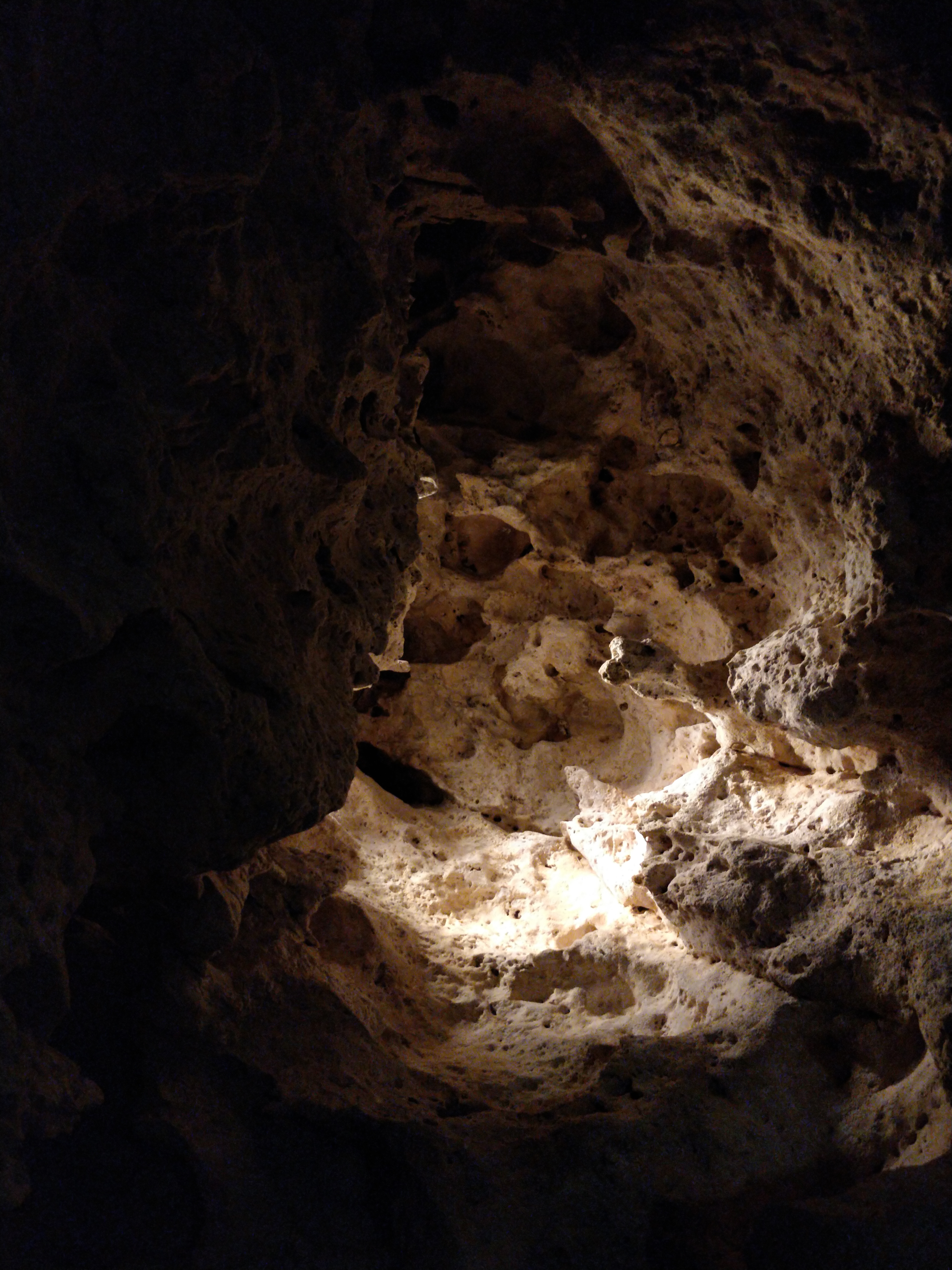
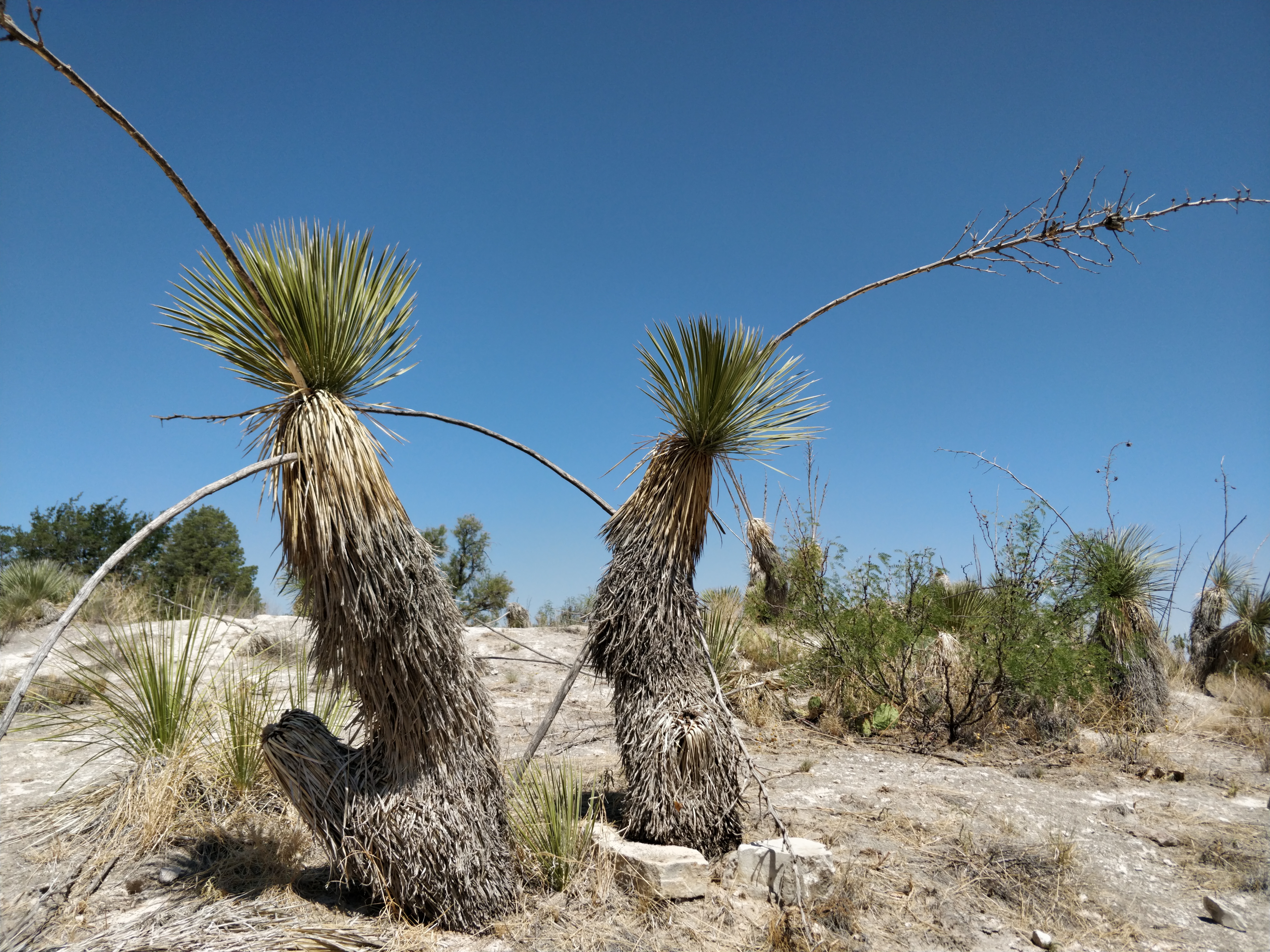
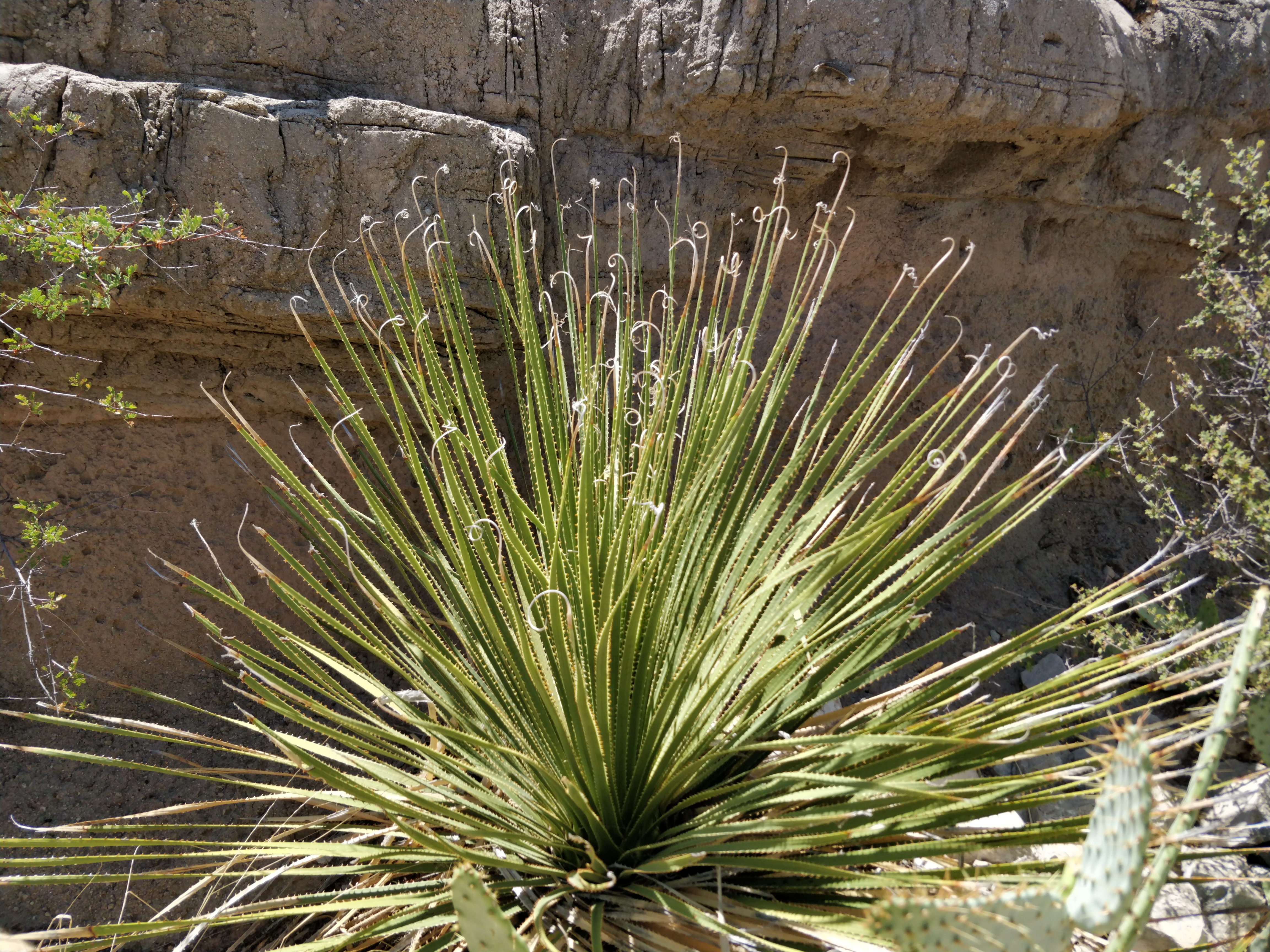
Similar to Mammoth Caves, this park is a two-fer. Not only does it encompass the underground experience, but above the Caverns are over 40,000 acres of the Chihuahuan Desert wilderness. Wettest of the desert environments, the rugged wilderness has an incredible diversity of plants and animals. Despite the 4400 ft elevation of the park, summer daytime temperatures are around 95 degrees. Warnings to pack plenty of water are posted throughout the park and park literature.
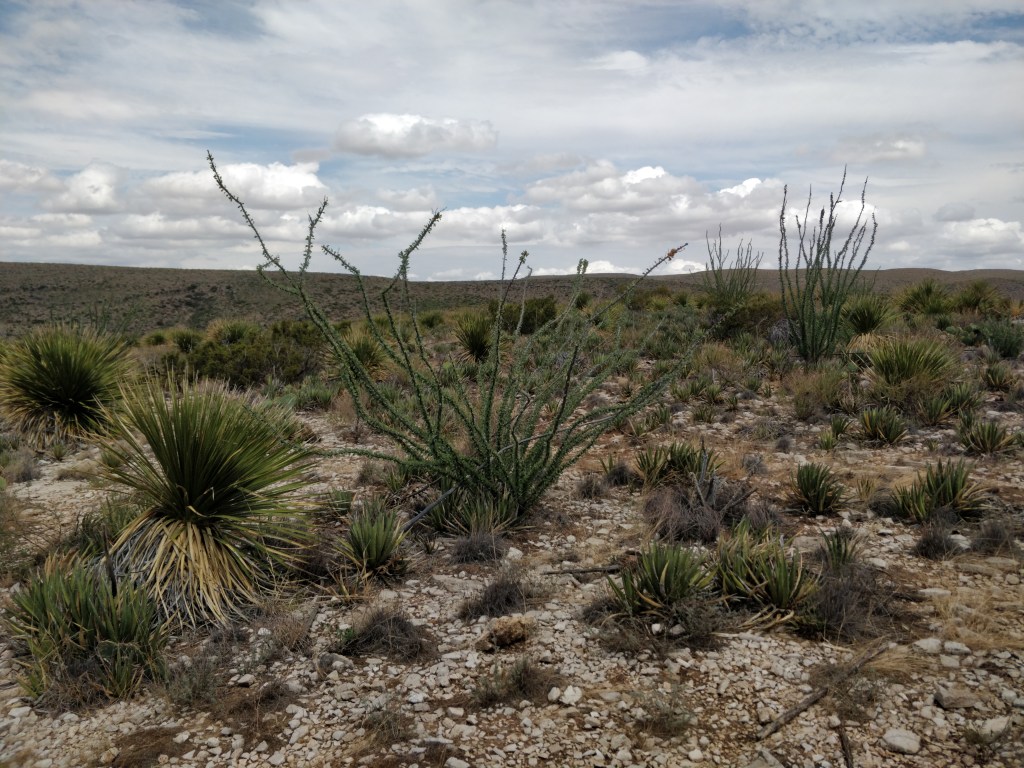
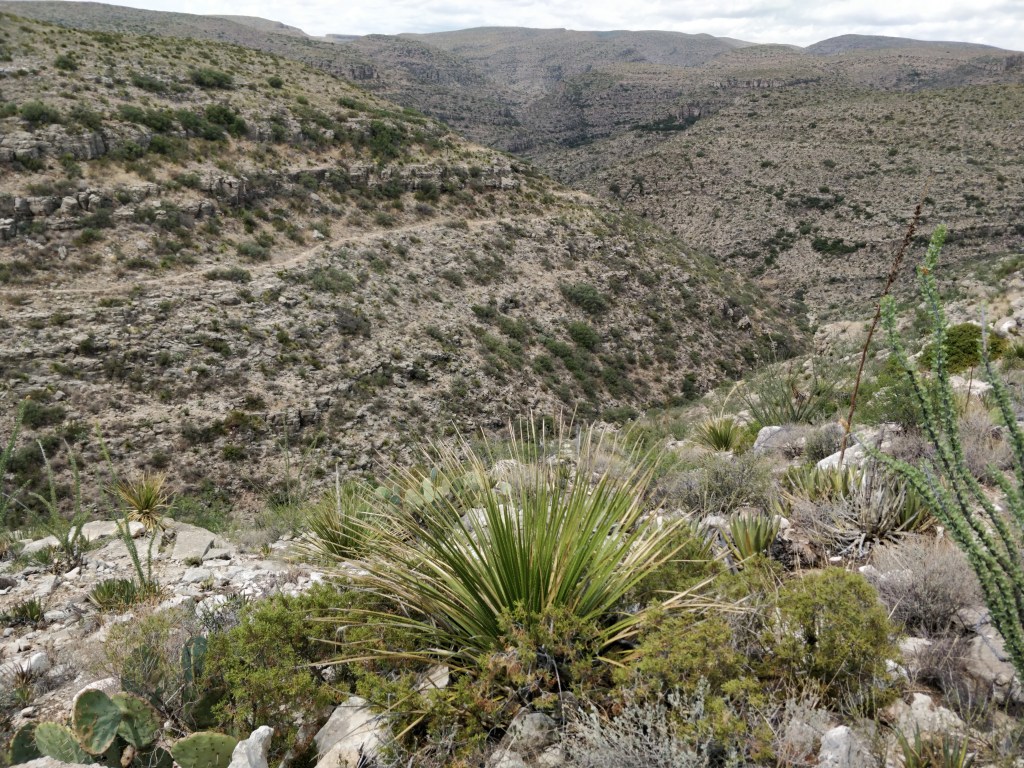
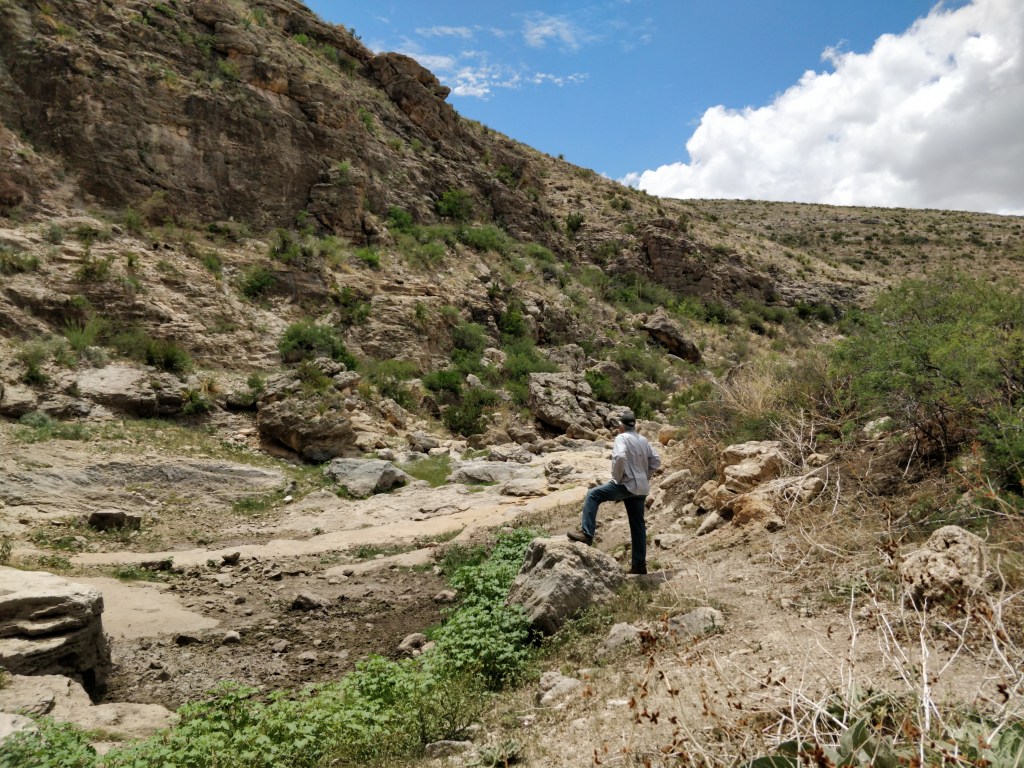
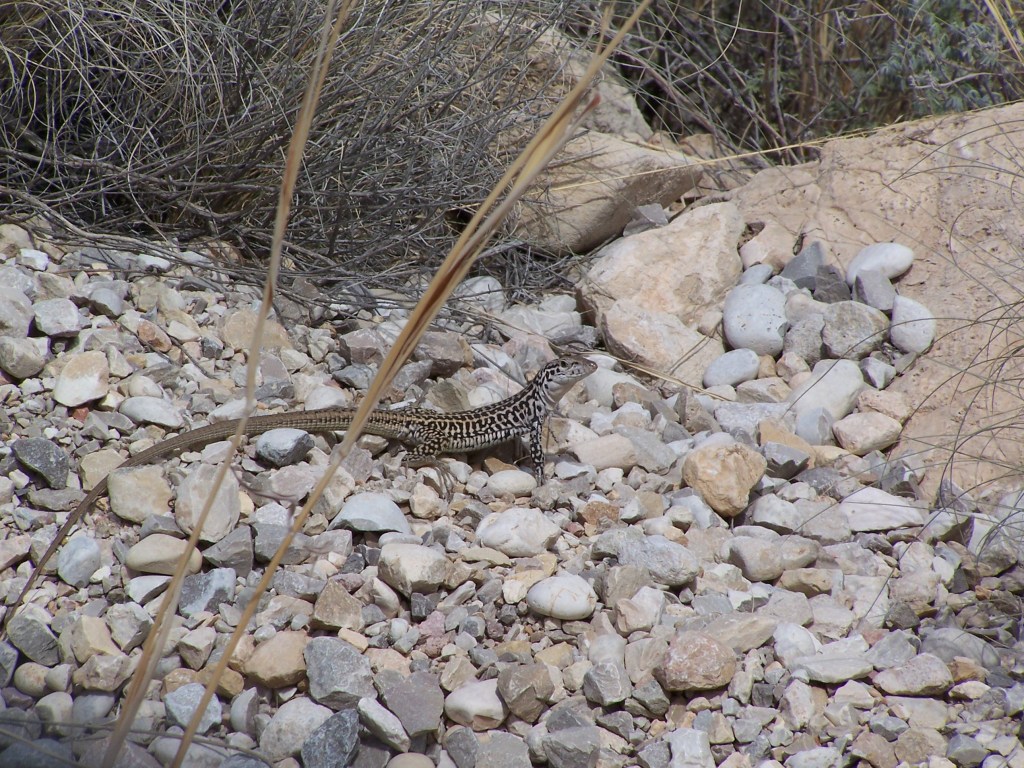
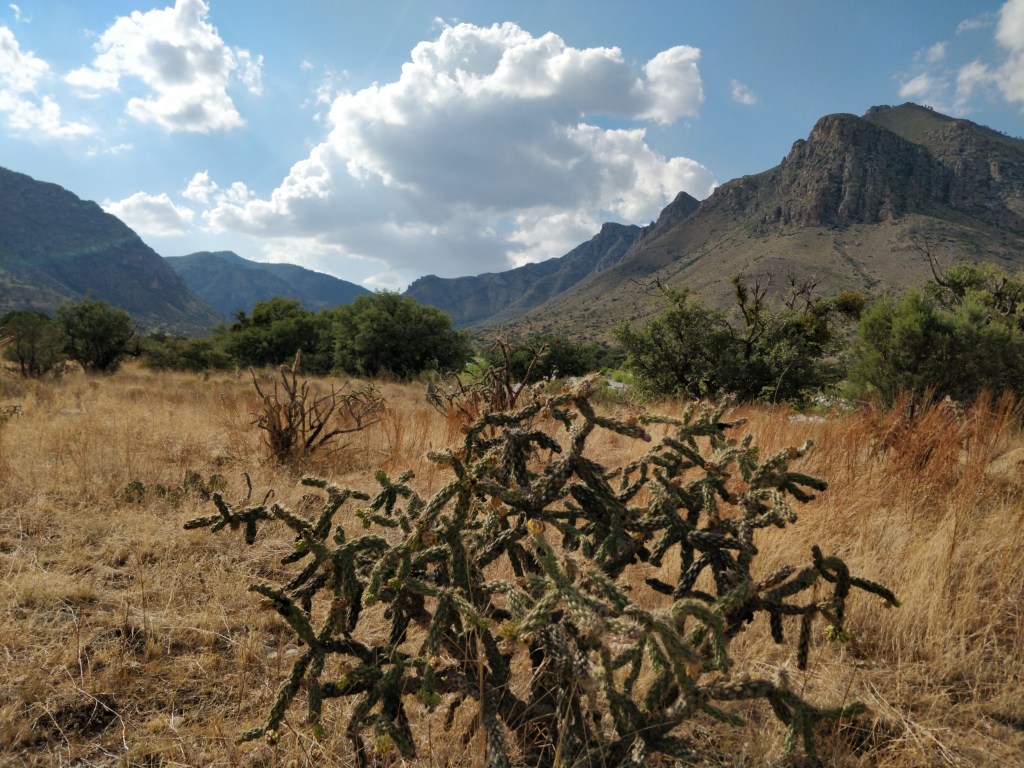
The Chihuahuan Desert stretches a few fingers into New Mexico from deep in Mexico. It was a new type of desert for both of us and we put this on our list to return and spend more time exploring. We followed the Desert Drive trail through Walnut Canyon and listened for the Voice of the desert.
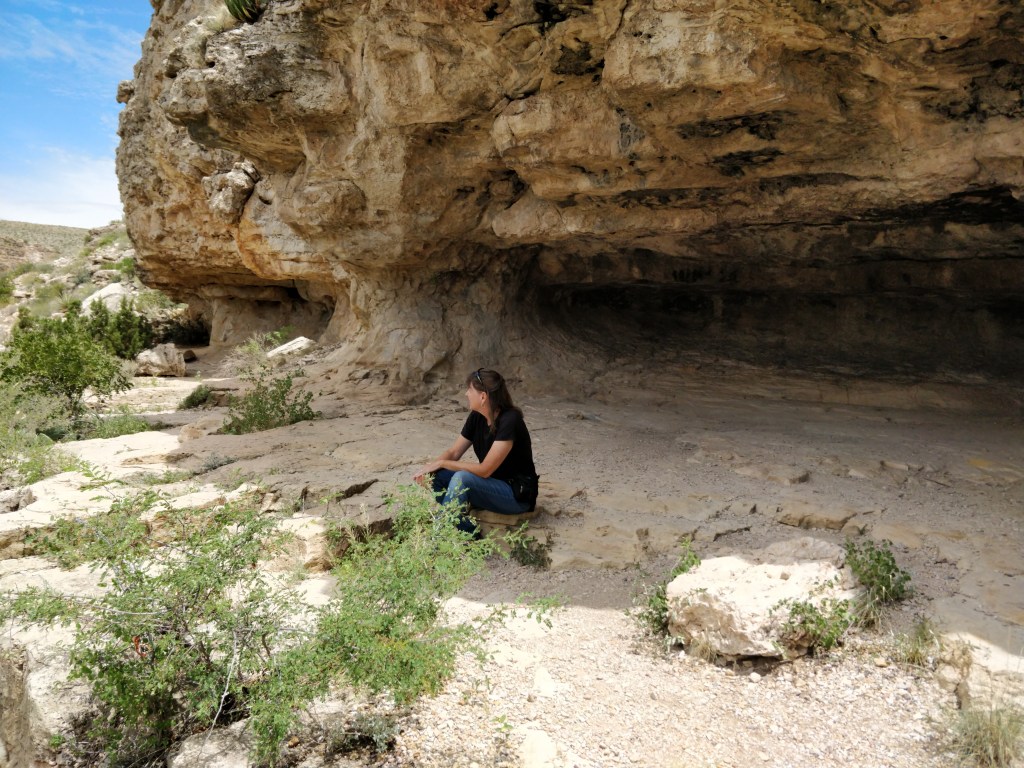
The desert is deep silence; a quiet that is the desert’s most abundant and enduring resource. As the world becomes filled with the clamor of civilization, the solitude and silence of our wild places become even more valuable. Here in the desert, the silence is ancient, older than the rocks… Silence is the heartbeat of the wild places, a forgotten resource abundant in the desert. (Mescalero Apache wisdom)
Living Desert State Park and Gardens
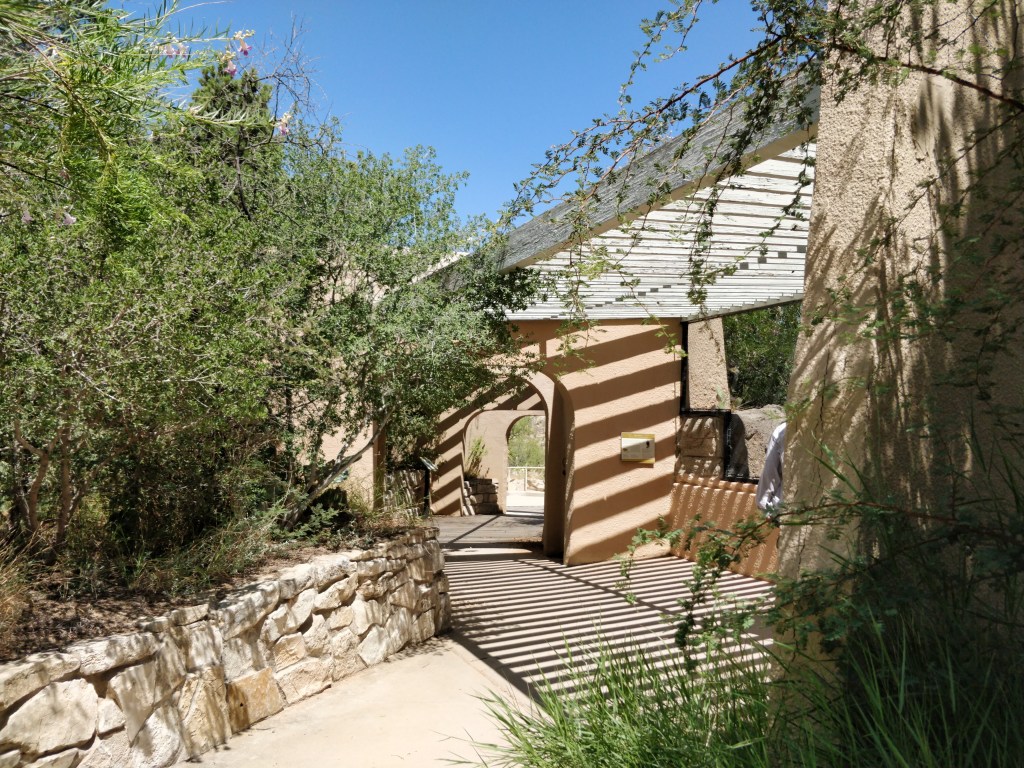
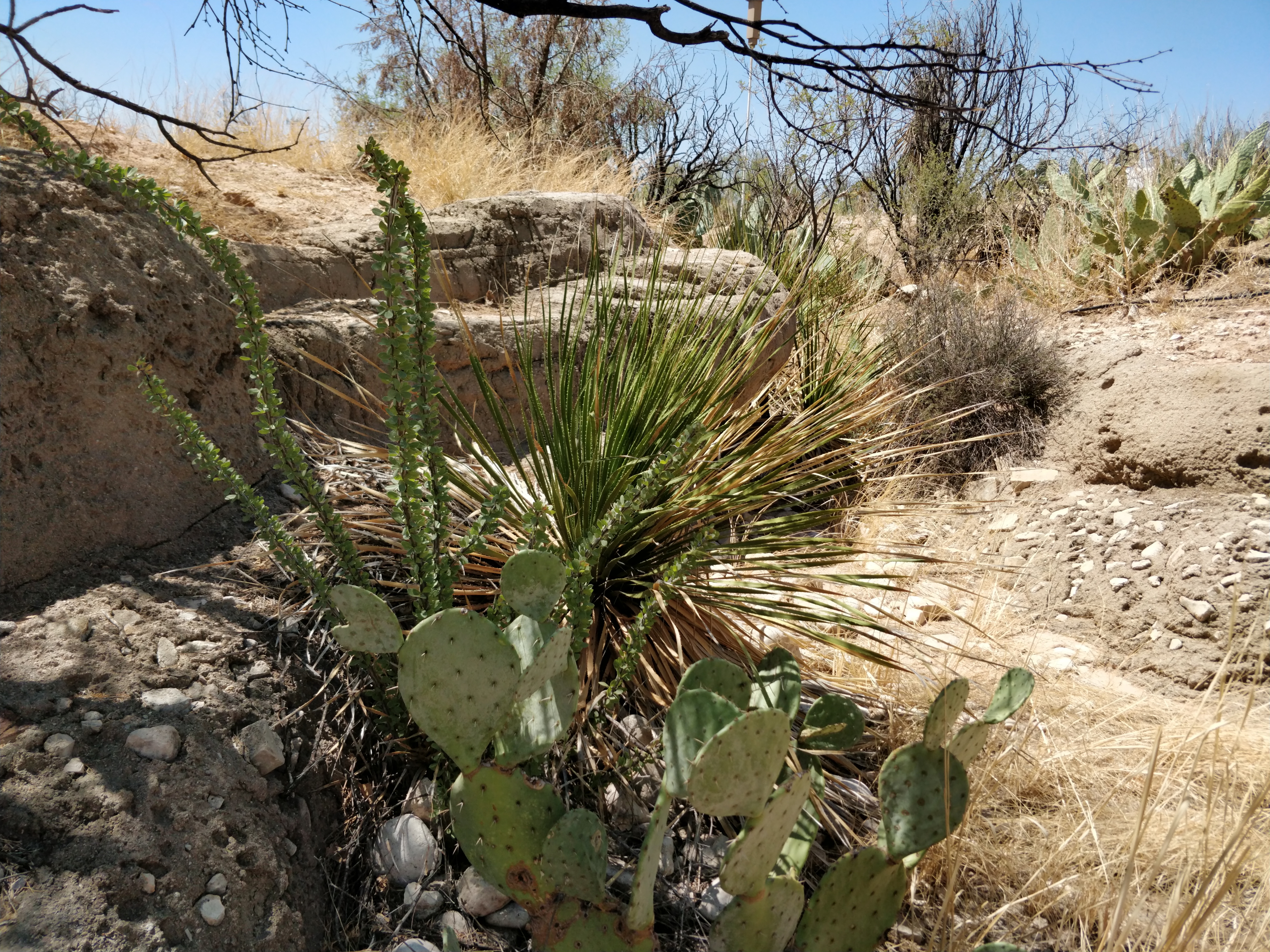
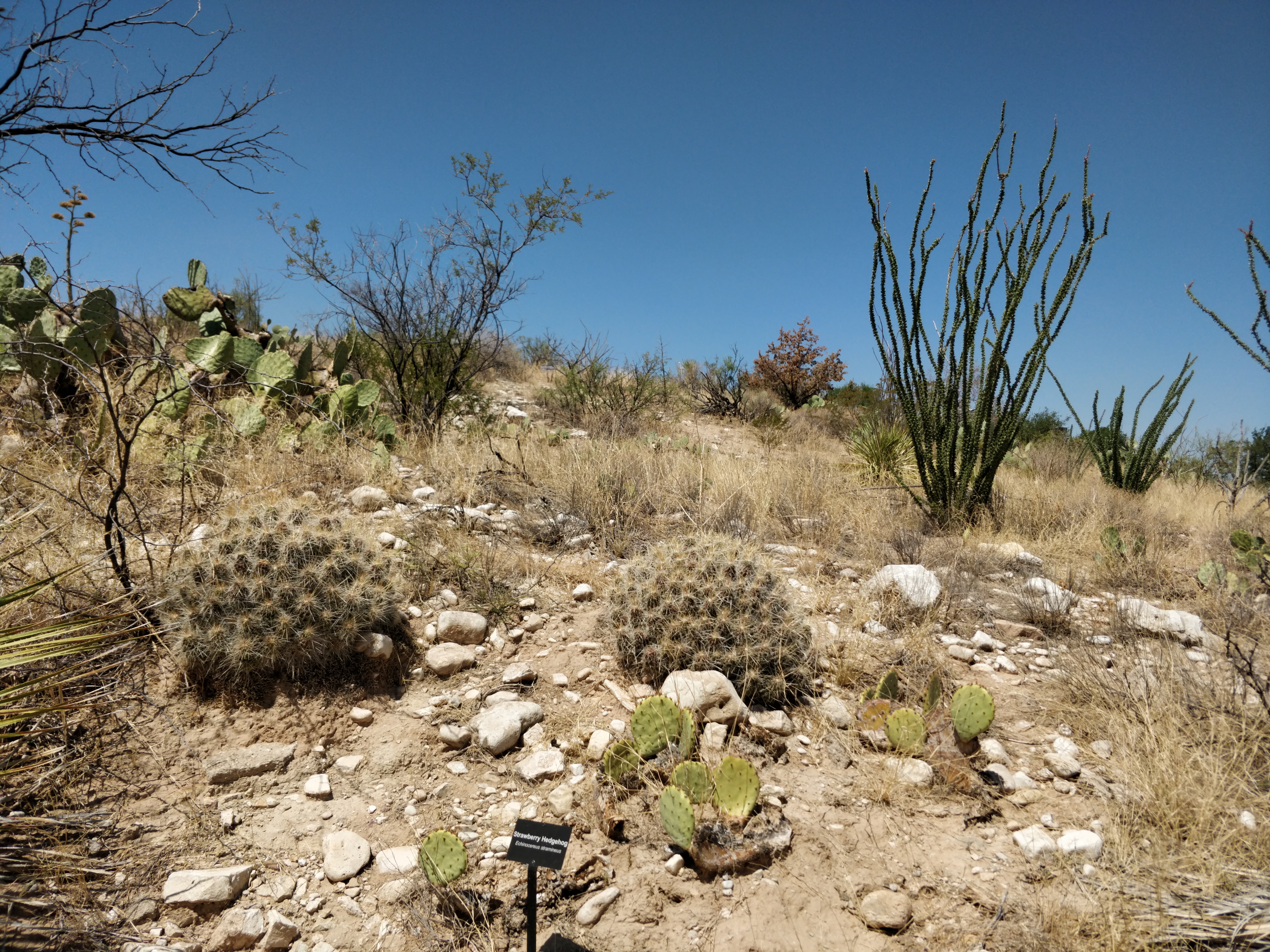
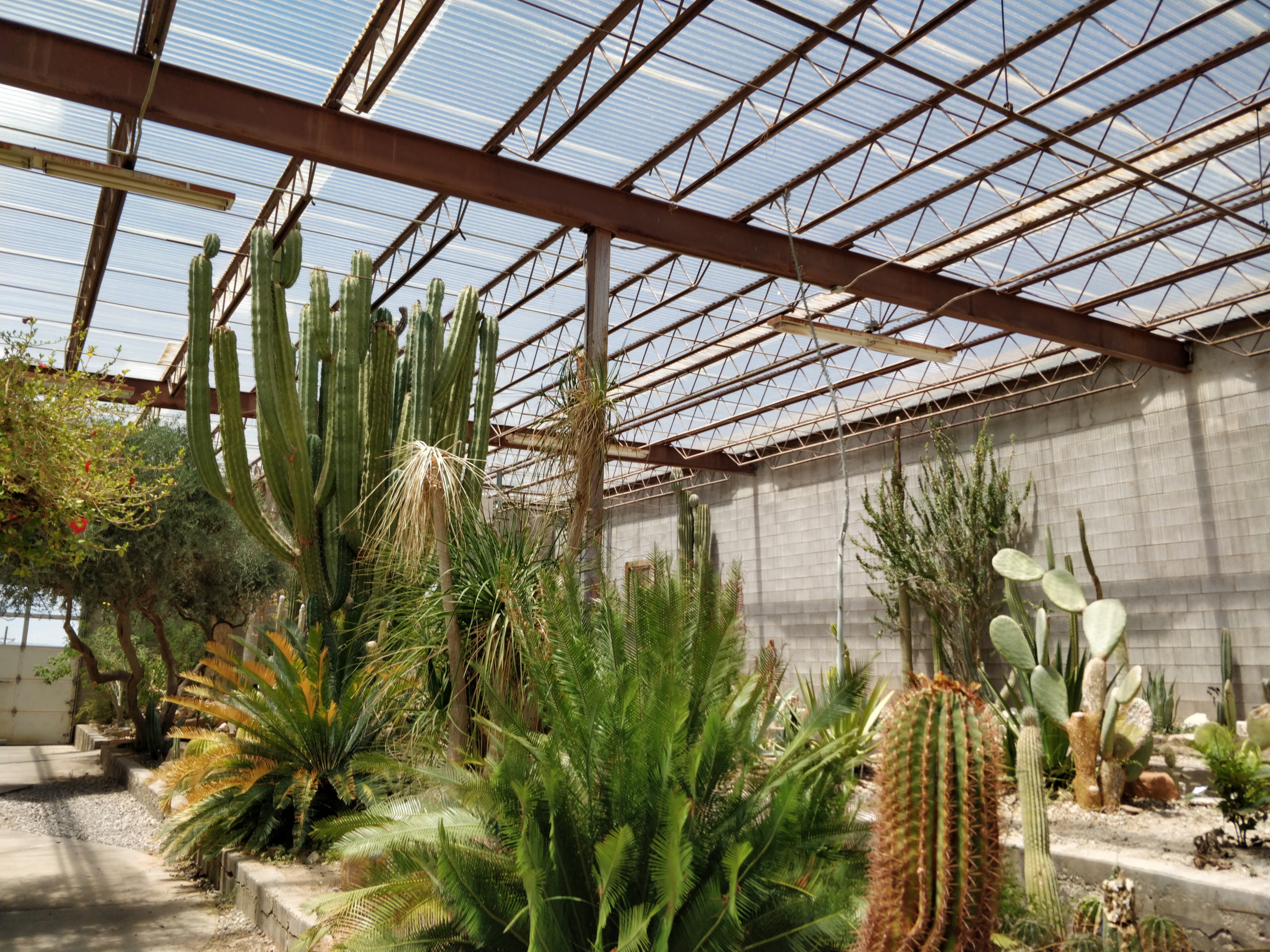
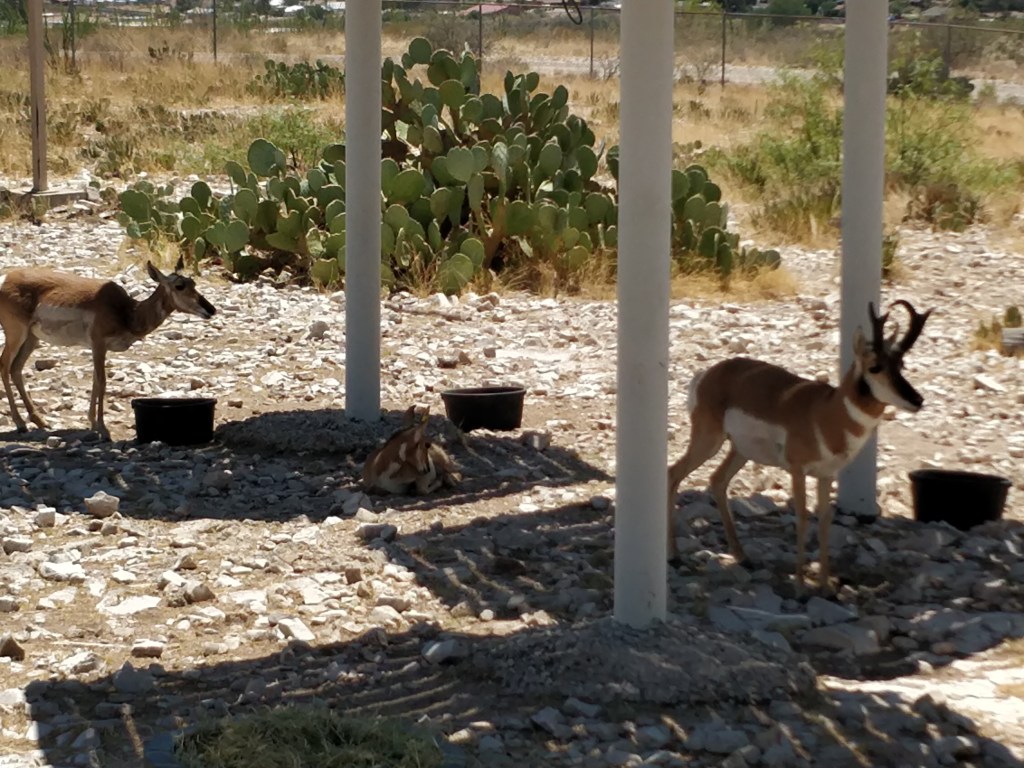
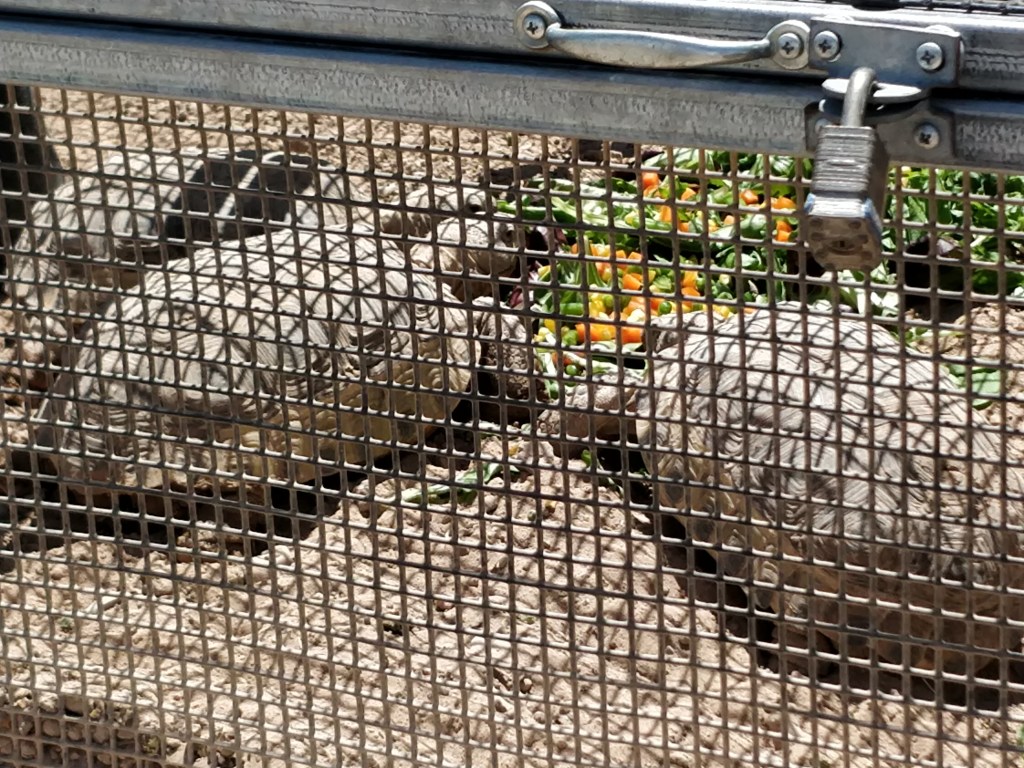
Located in Carlsbad, NM, this state park specializes in native plants and animals of the Chihuahuan desert. Trails to outdoor exhibits, gardens, buildings and a greenhouse lead the visitor through the park. Friendly and informative staff took time to answer our questions or point out interesting elements about a particular exhibit. We especially enjoyed observing the Bolson Tortoise hatchery. The park has one of the only programs in the country for raising the endangered species from egg to adult.
Guadalupe Mountains – back to Texas
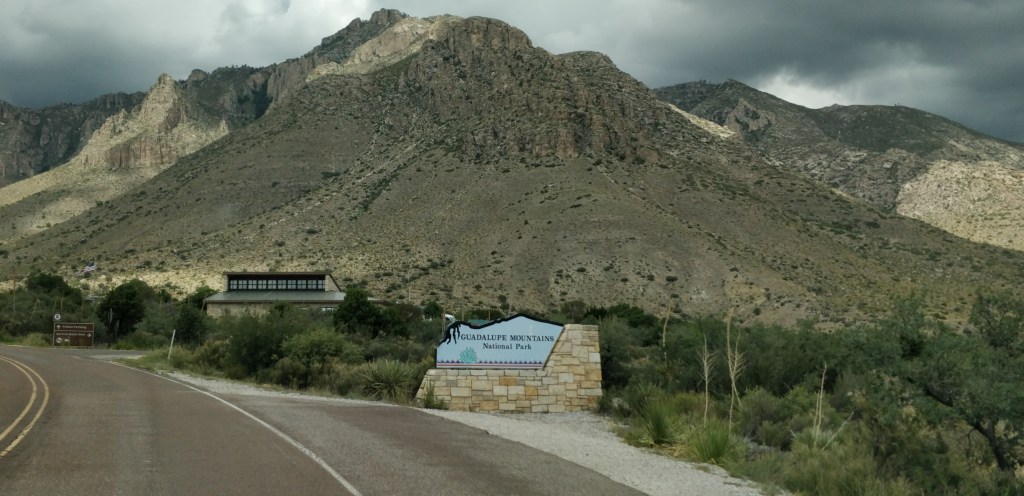
We used the rest of our time in Carlsbad to prepare for our dry camping stay in Guadalupe Mountains National Park. Dry camping simply means no hook-ups for water, electricity and sewer. We reserved three nights at the campground which was located next to several trailheads into the mountains.
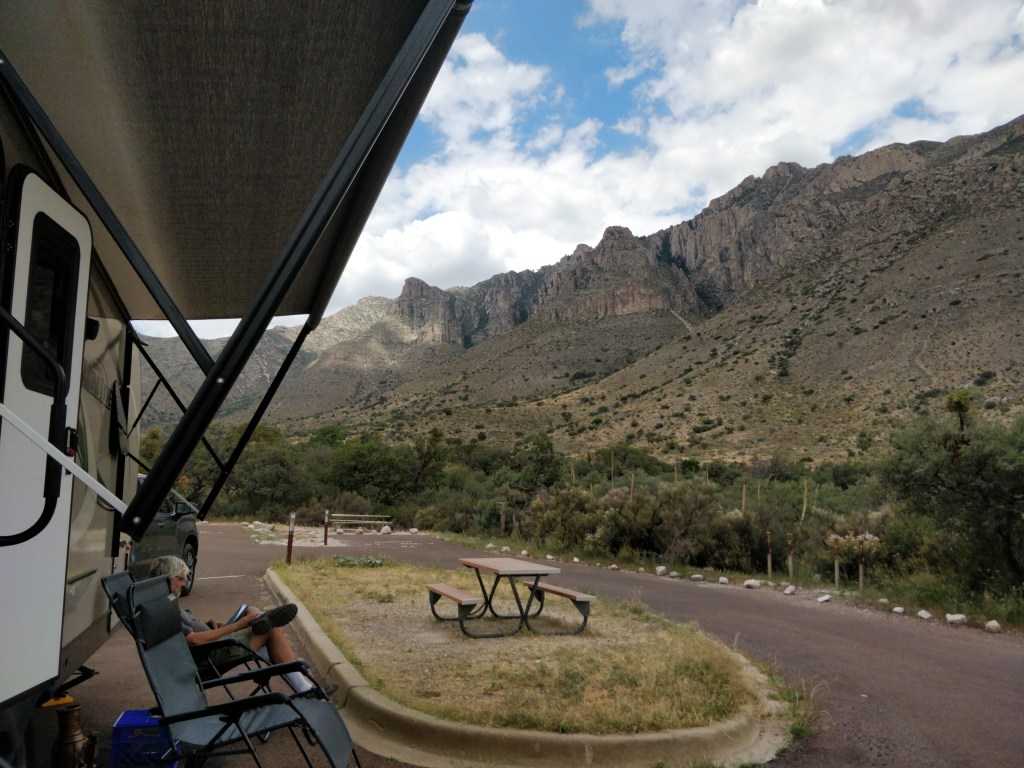
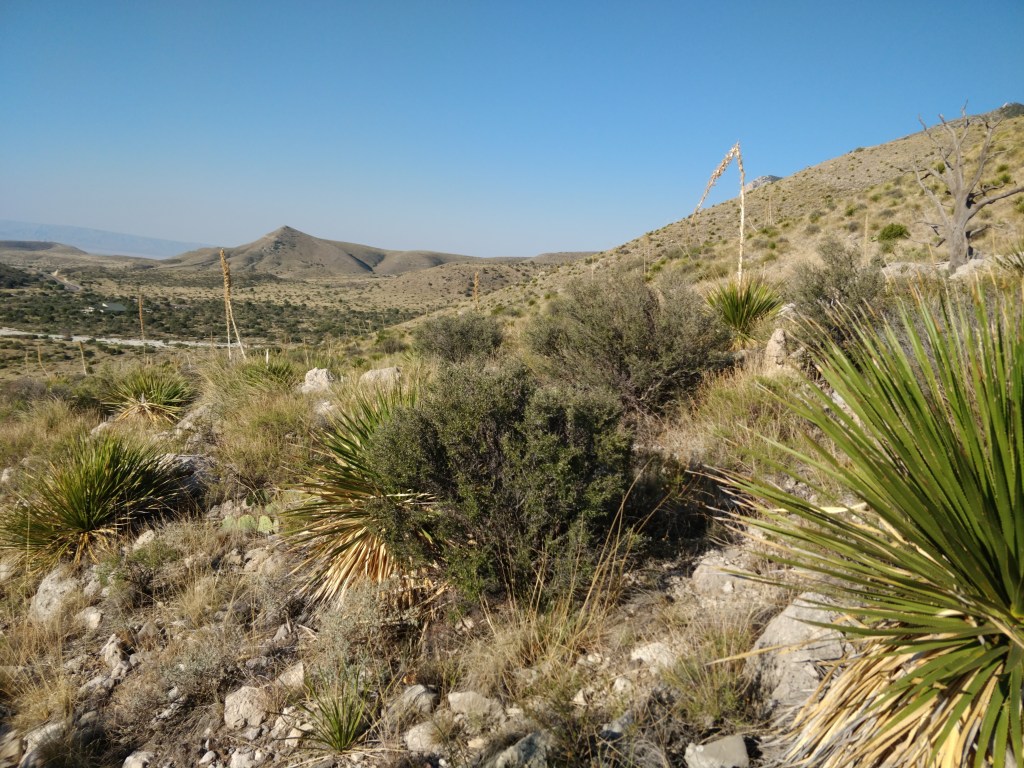
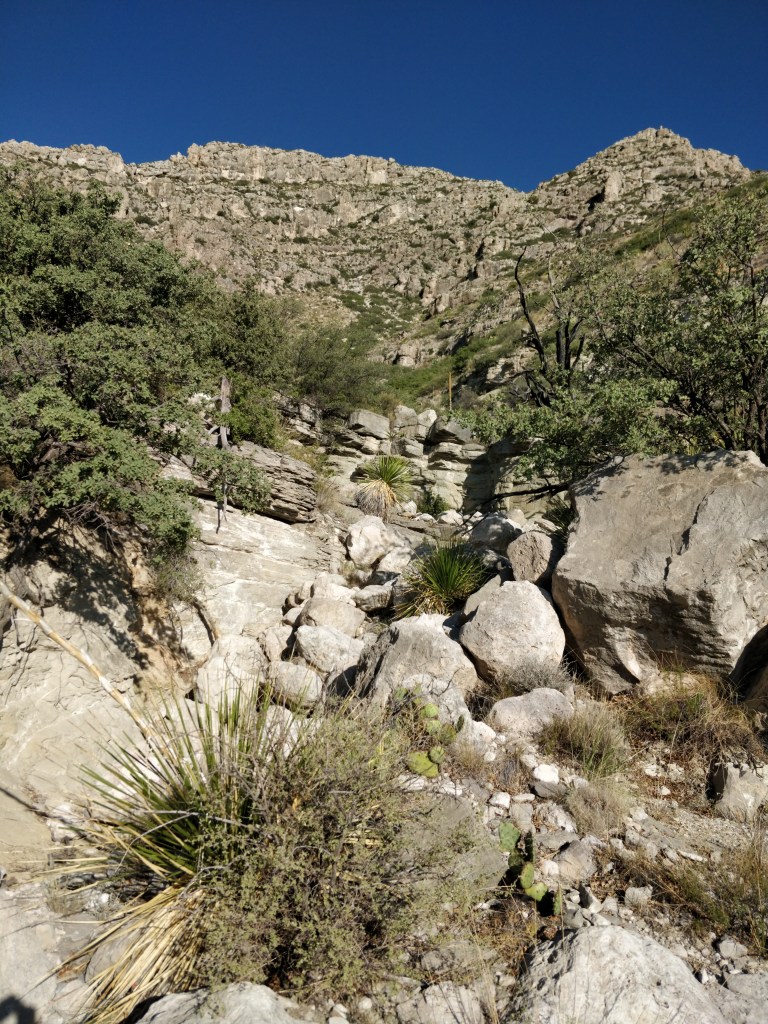
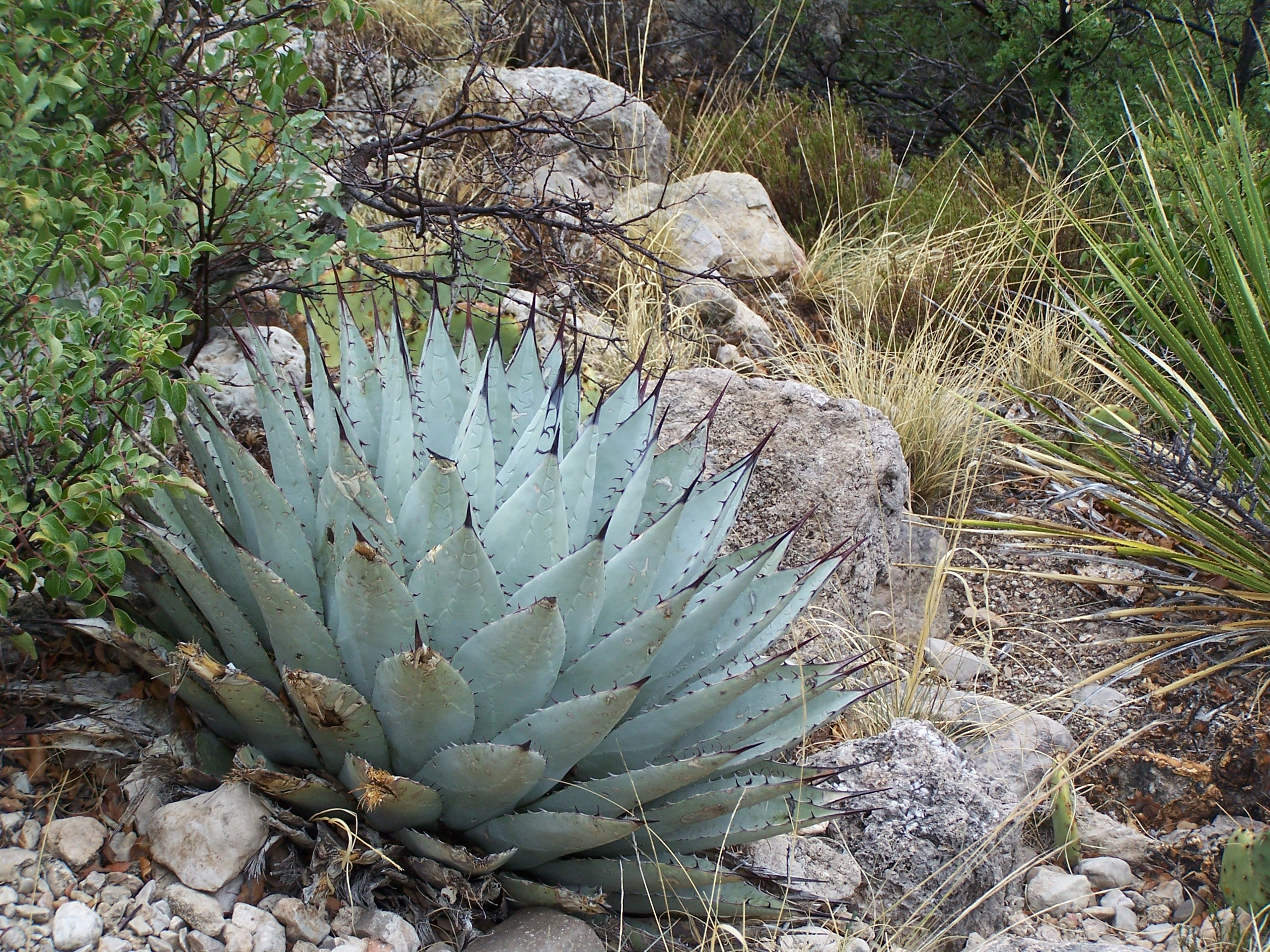
Surrounded by the Chihuahuan Desert, the rugged Guadalupe Mountains National Park is one of the most remote in the national park system. From canyons to peaks and from historical outposts to a secret grotto, our first foray into boondocking was richly rewarded.
The Guadalupe Mountains are actually the remnants of a marine fossil reef formed hundreds of millions of years ago when a tropical ocean covered portions of western Texas and eastern New Mexico. It is a very popular location for geologists from around the world to visit. At one end of the horseshoe shaped reef, El Capitan towers over the park and Pine Springs campground.
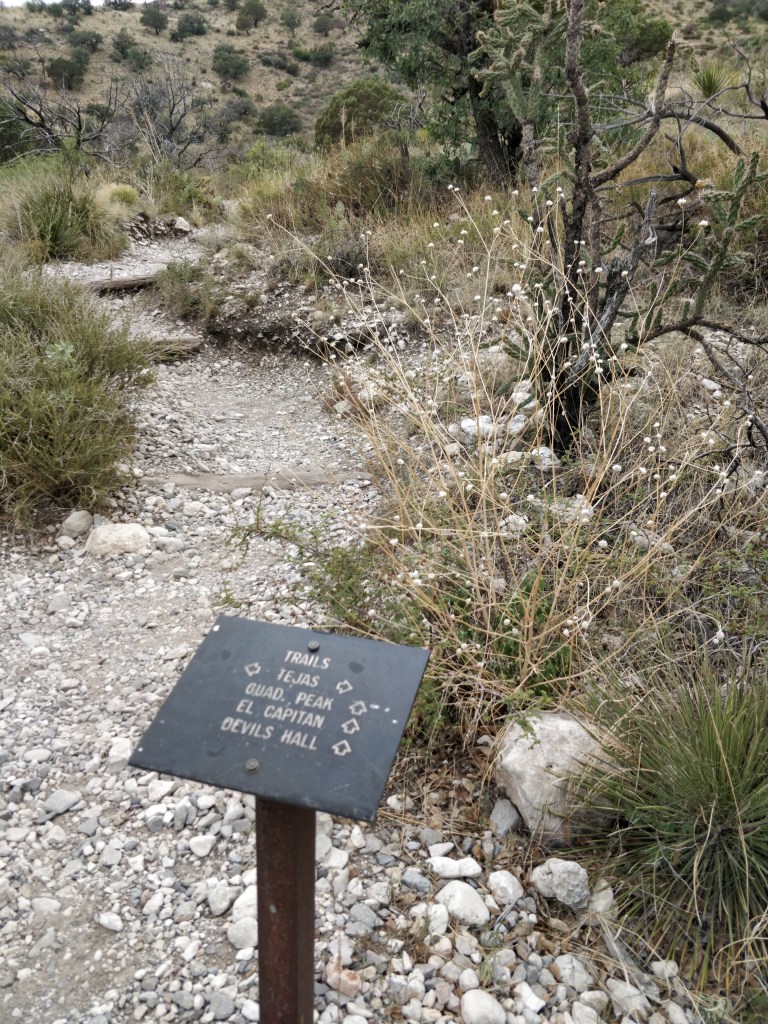
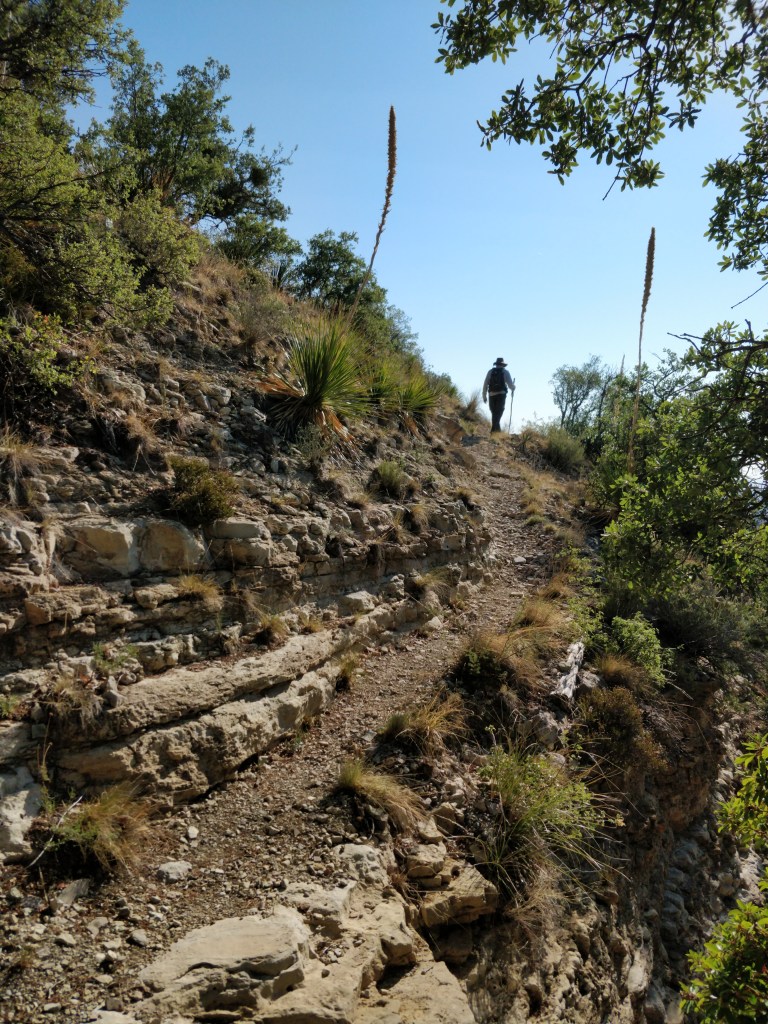
The Mescalero Apaches hunted and camped in this area for almost a thousand years. During the western expansion, the mountains provided a sanctuary from the soldiers and a base for attacks, but the Nde (the Apache name), were driven out by 1880.
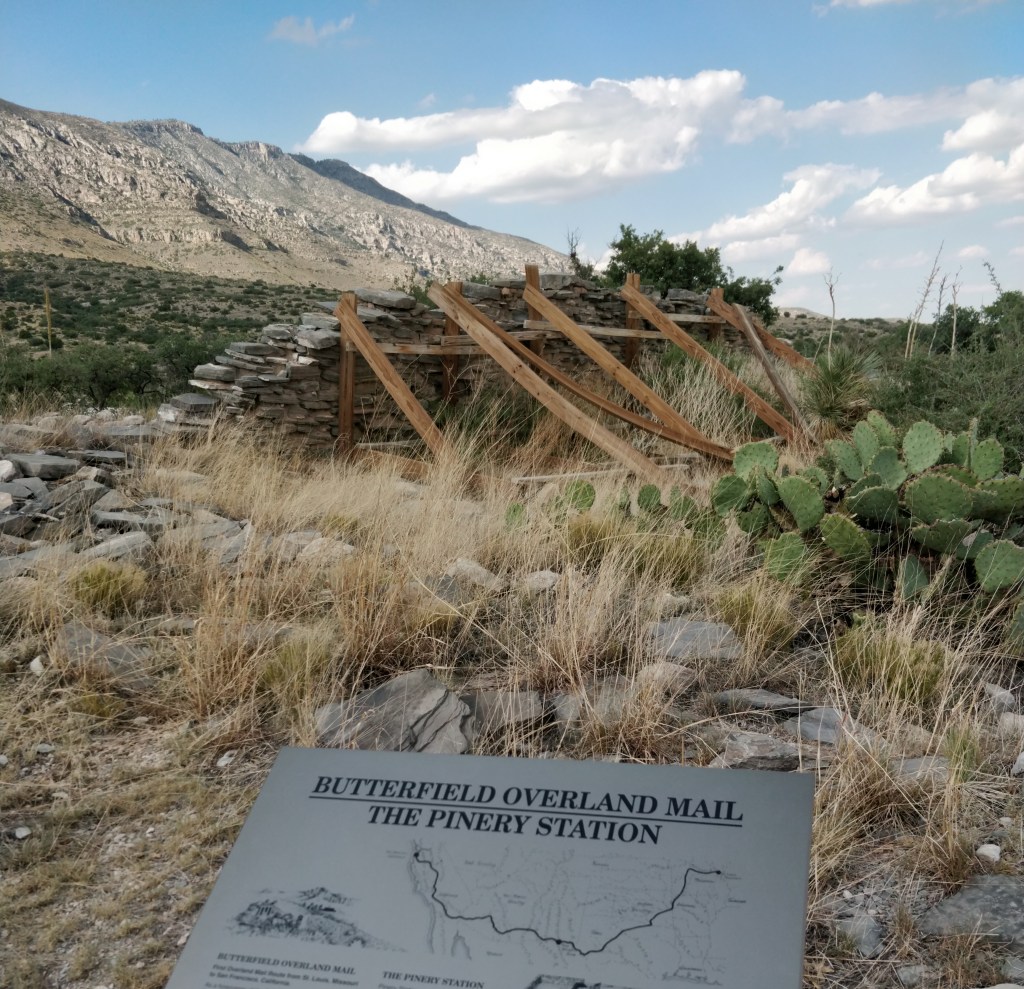
In the mid-1800’s, the Overland Mail Company provided the first transcontinental mail route through the Guadalupe Mountains. Passengers could buy a ticket for $200 to travel the 2800 miles from St. Louis, Missouri to San Francisco. The trip took 23 days, averaging 5 miles per hour, with only brief stops at the relay stations. The stagecoach drivers were legendary for their grit and courage as they overcame the harsh conditions and hostile tribes. The ruins of one of the 139 relay stations, the Pinery Stage Stand, is located in the National Park.
Smith and Manzanita Springs
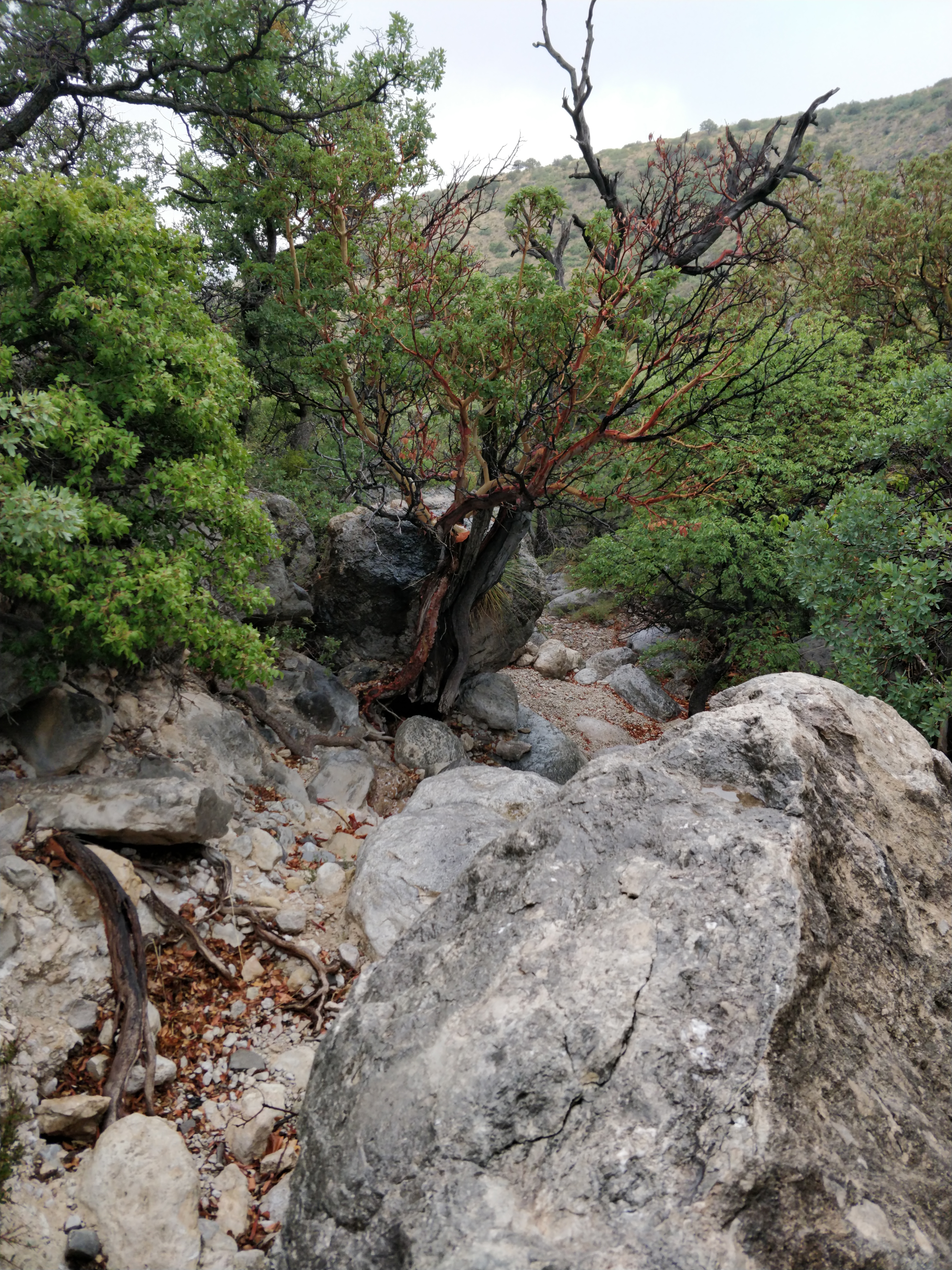
Deep in the Guadalupe mountains in the 280 million year old fossil reef, Smith Spring and Manzanita Spring are the sources for an oasis of plants, flowers, trees and crystal clear water. This area has provided refreshment over the years to the Mescalero Apaches, US Calvary, outlaws and banditos, and the ranchers of the nearby Frijole Ranch, in addition to the elk, coyote, mountain lions, and other wildlife. We were astounded by the beauty of the rock formations, pools, streams, and variety of plants and delicate flowers. It was hard to leave!
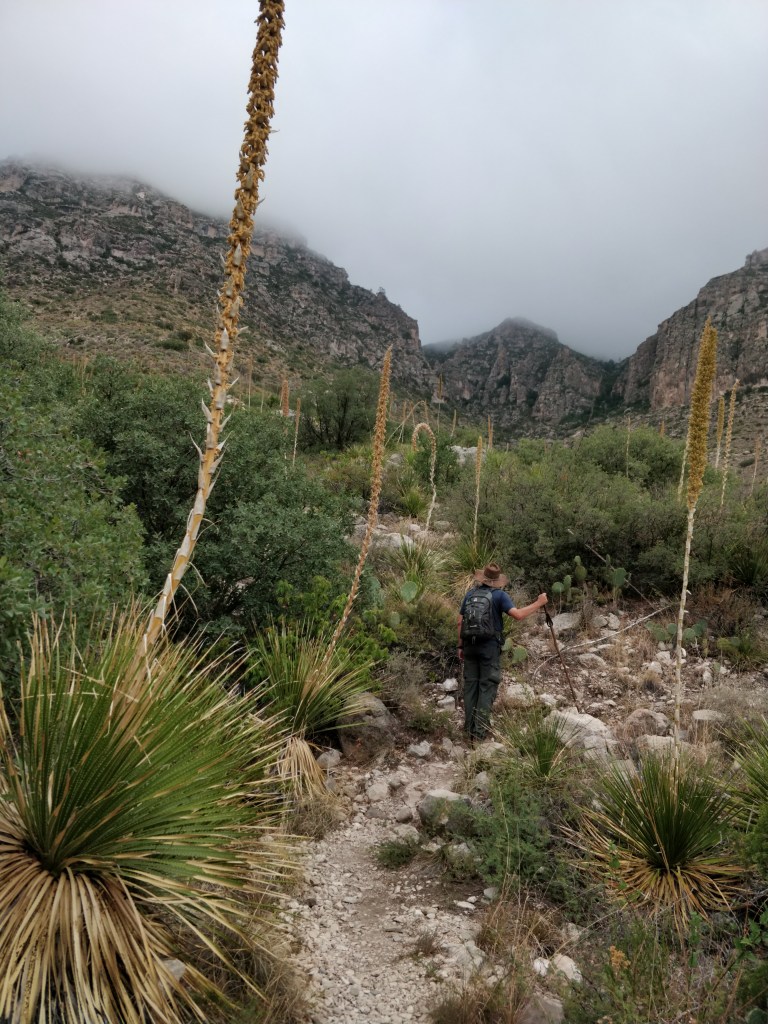
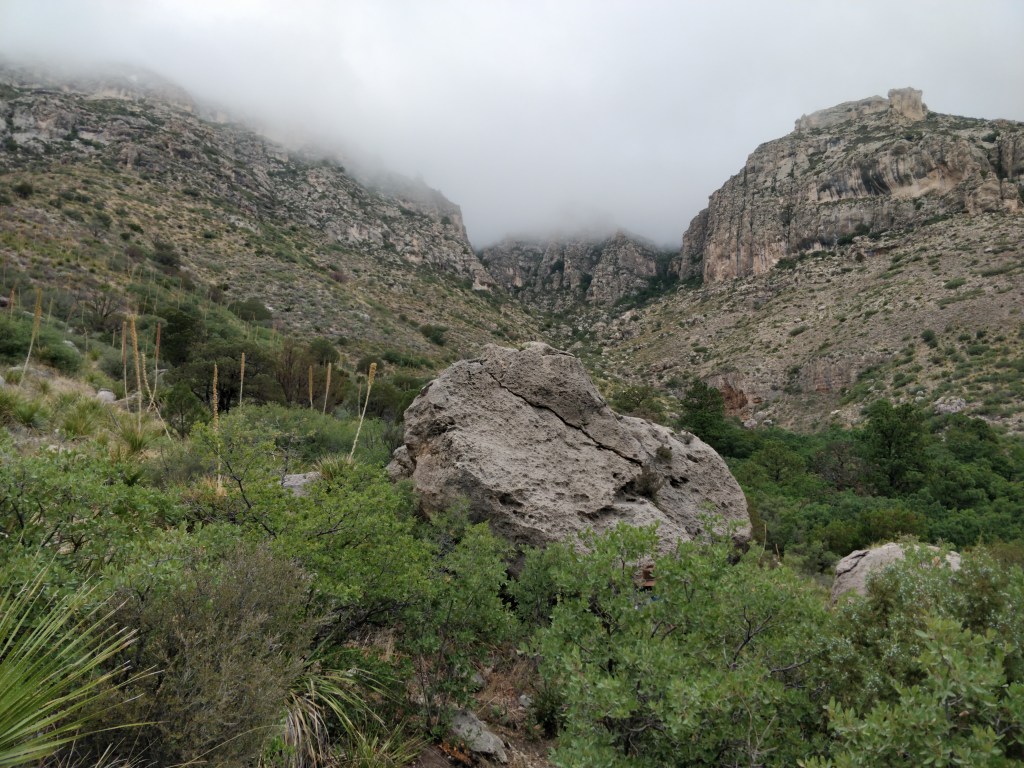
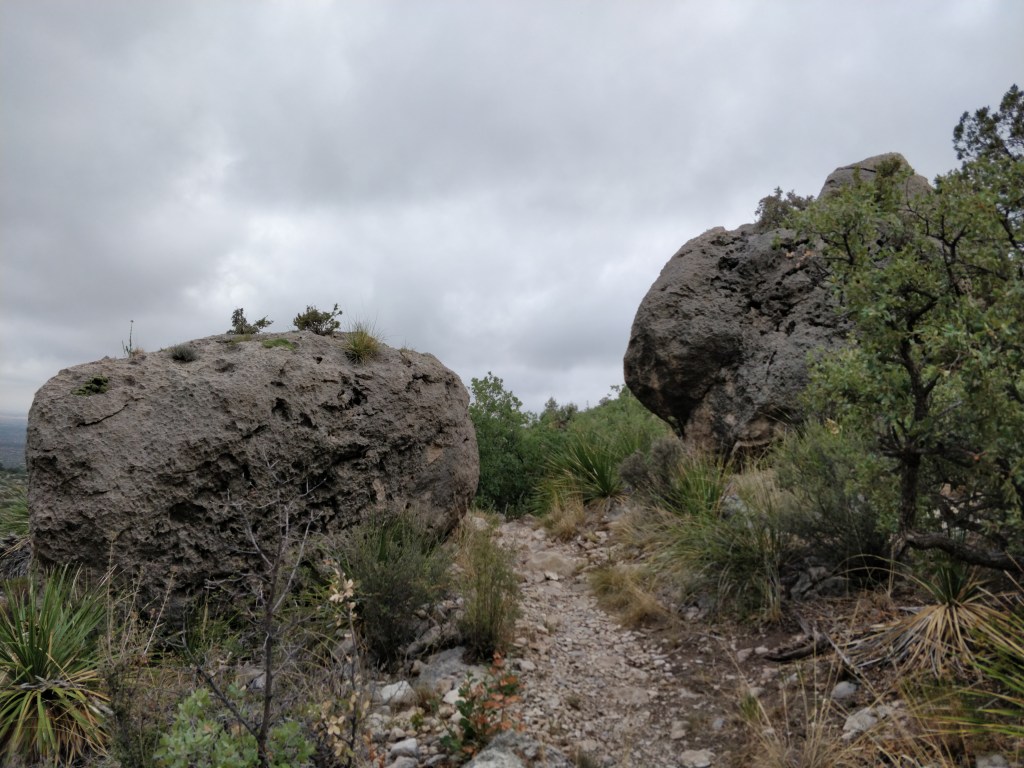
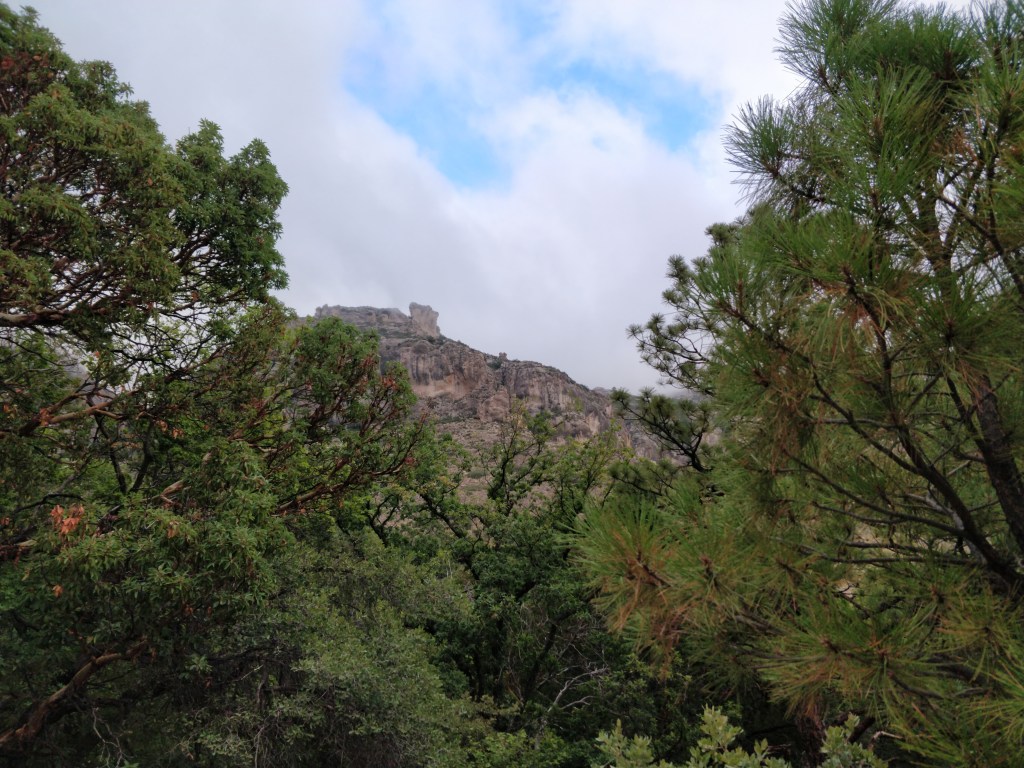
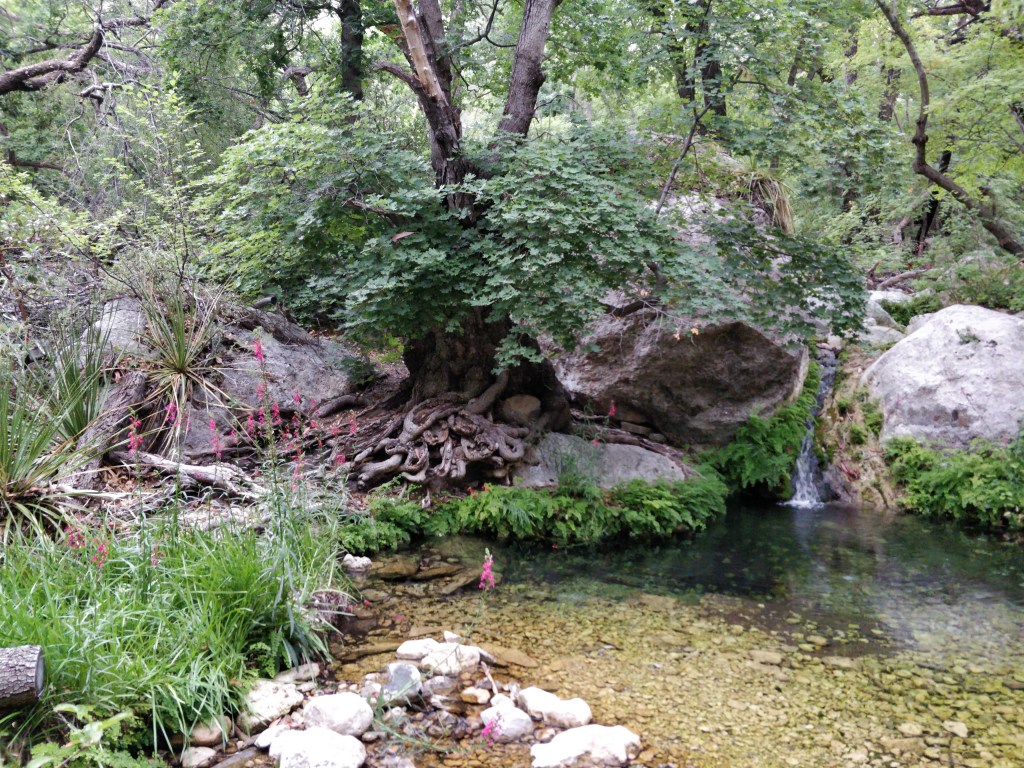
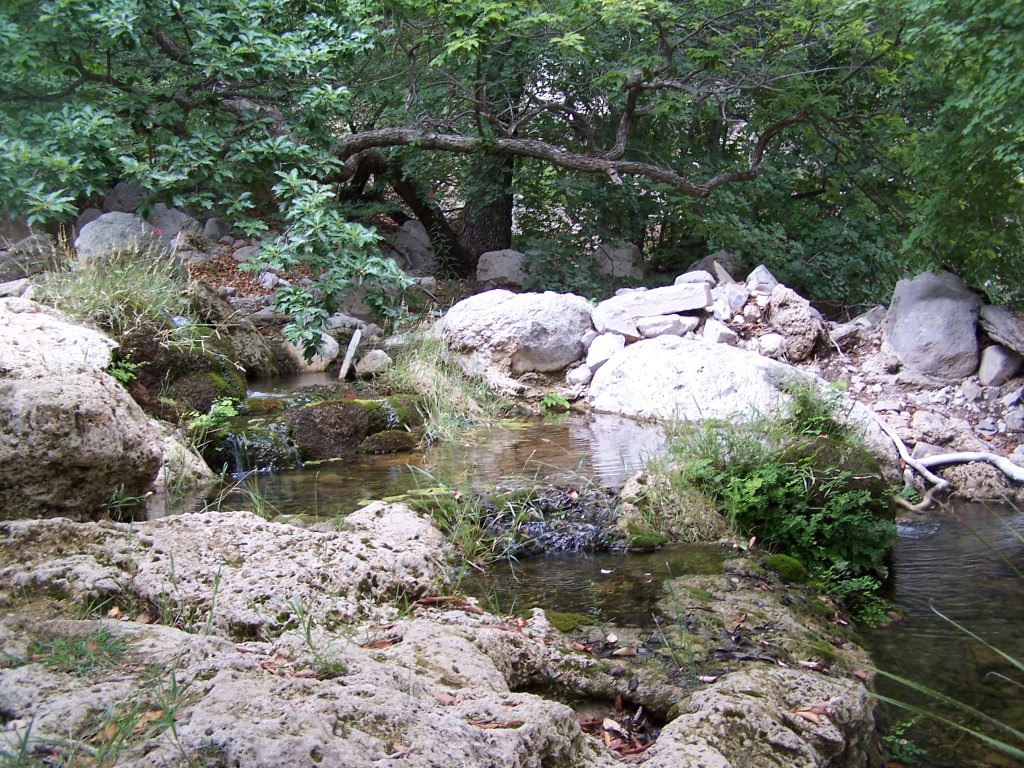
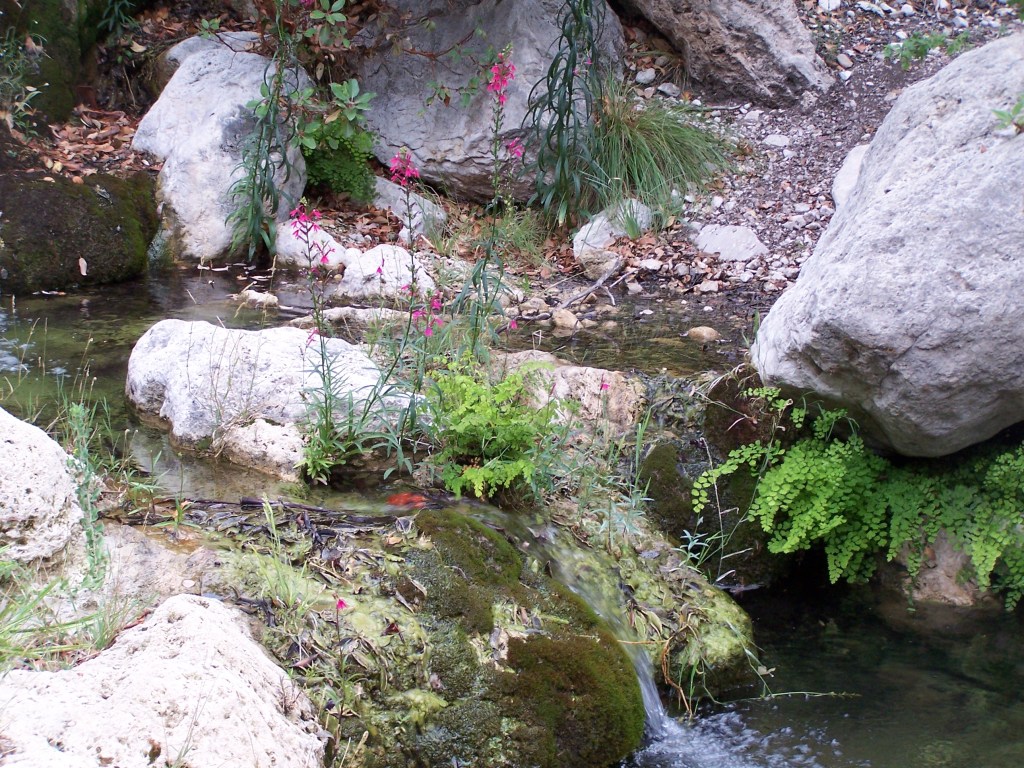
Hiking out of the mountains to Frijole Ranch, the clouds returned to cover the trail with a cool mist.
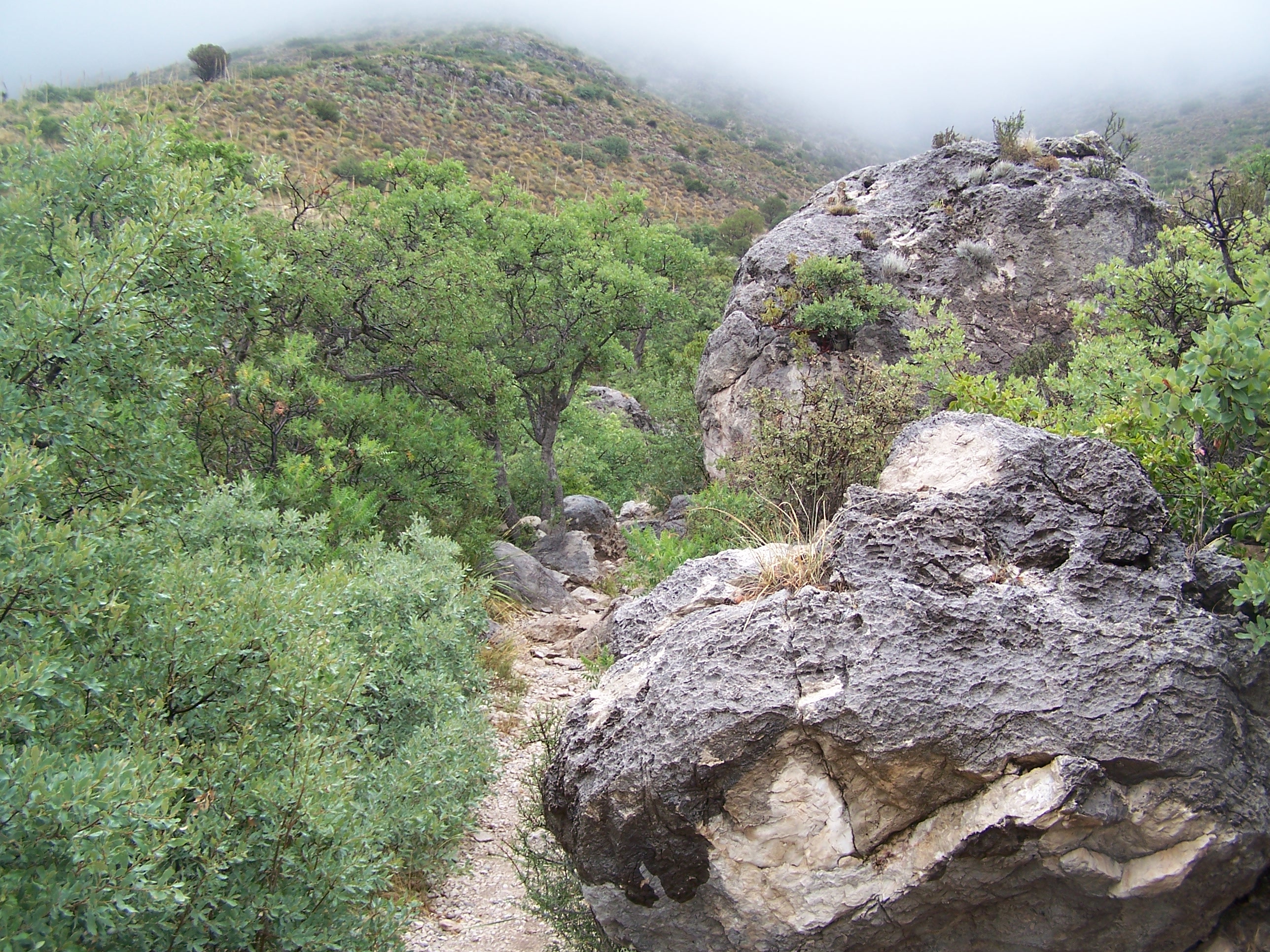
Frijole Ranch
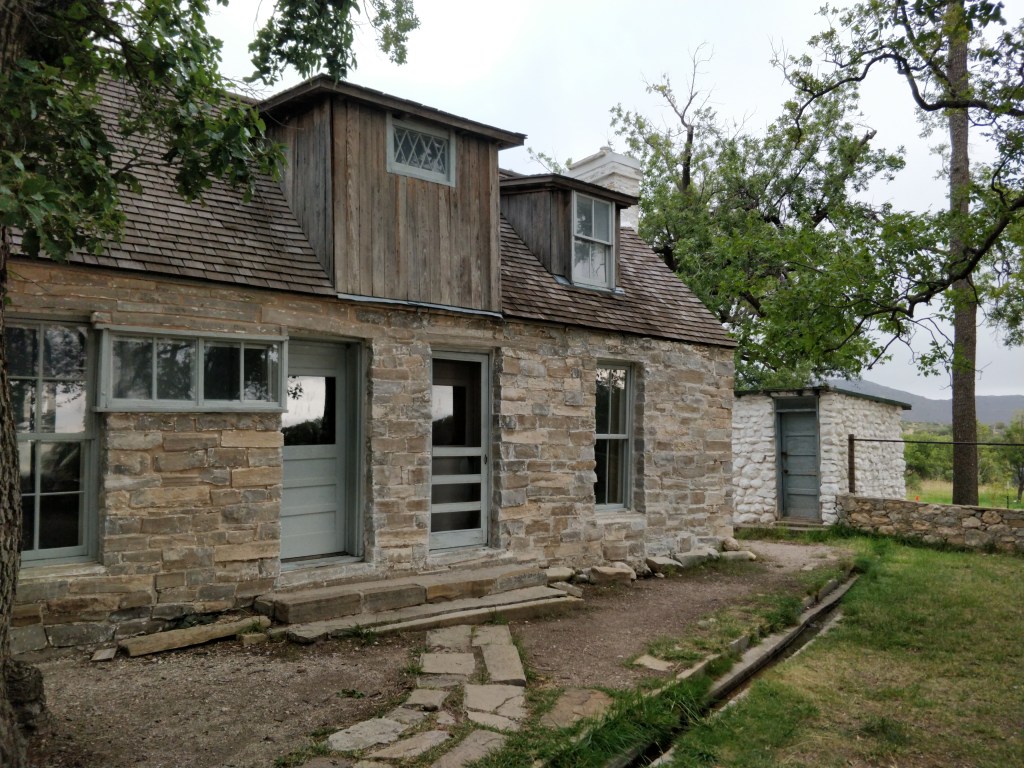
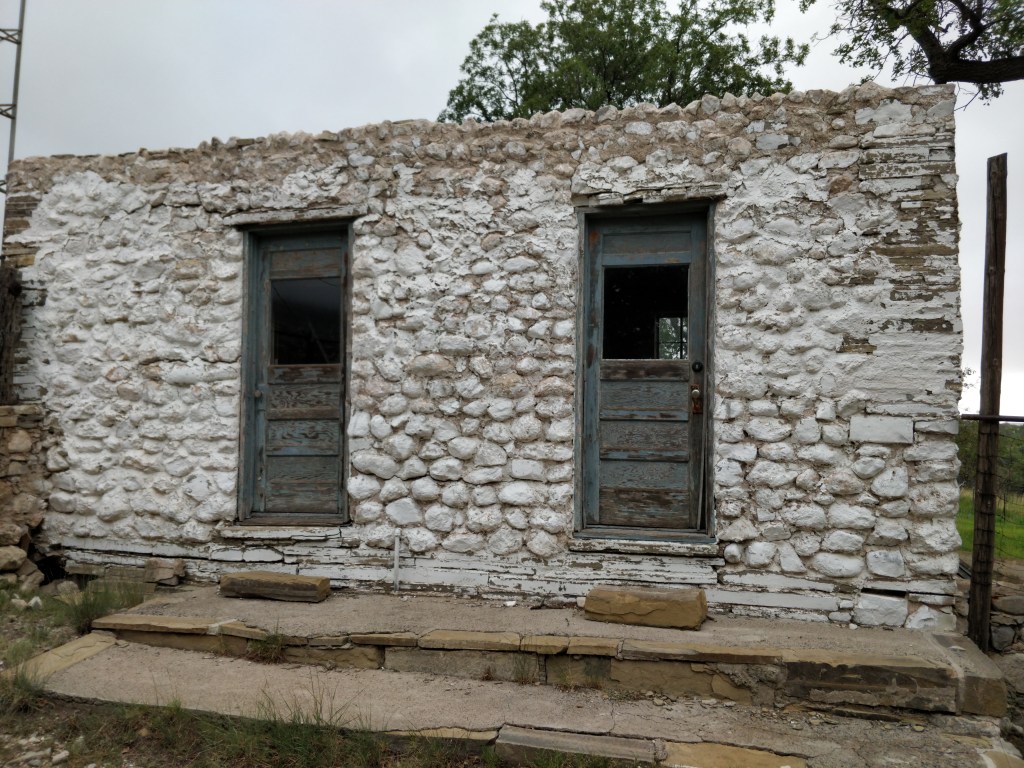
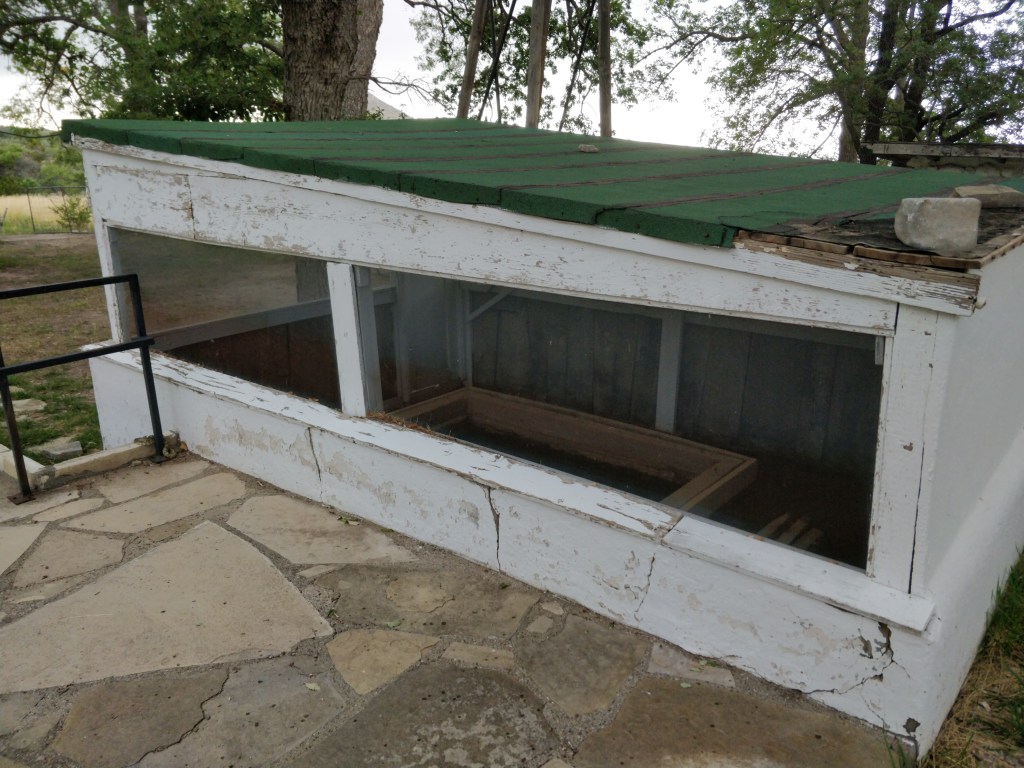
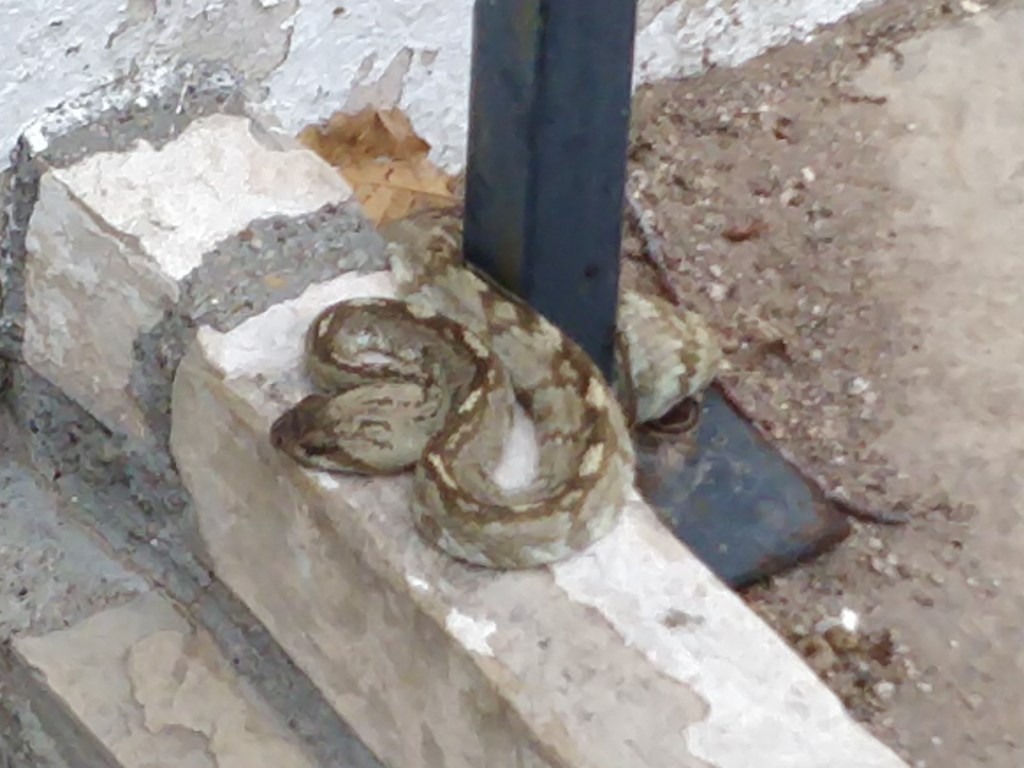
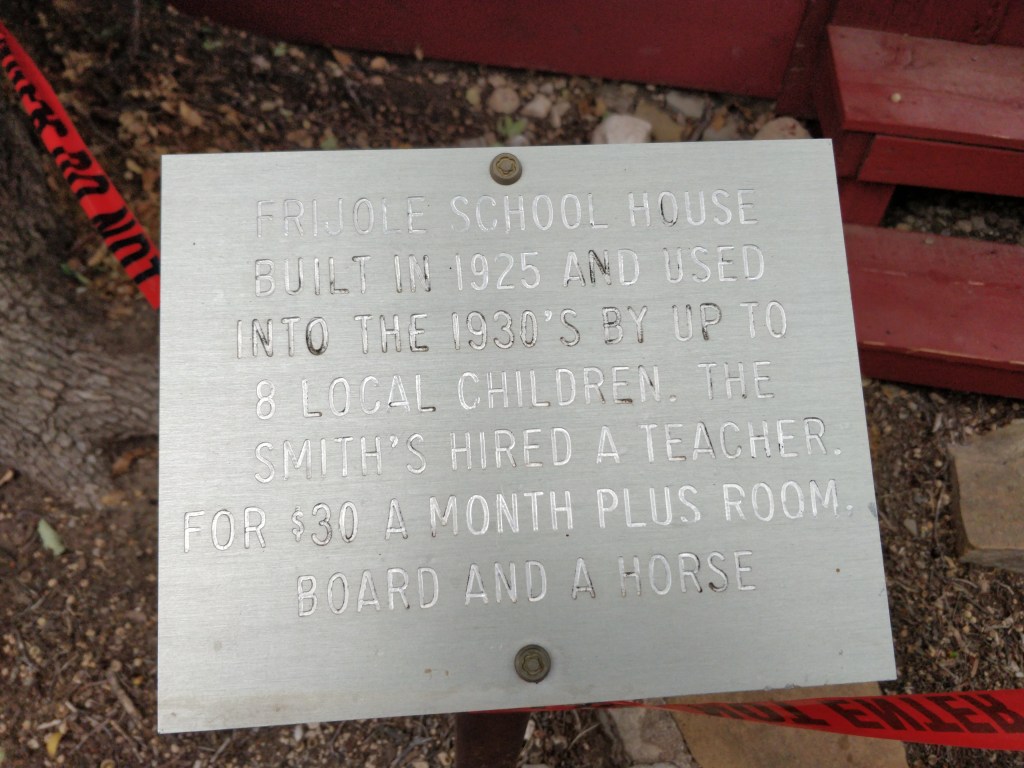
Established in the 1870’s, the Frijole Ranch is now managed by the Guadalupe Mountains National Park service. A testament to the pioneering ranchers’ innovative spirit in the harsh desert climate, the ranch incorporated several nearby springs, including runoff from Smith Spring, to cool and irrigate the property. Sheep and goats replaced cattle as the years progressed and even a school was built to educate the ranchers’ children. In the later years, the ranch was a gathering place for dances and town meetings.
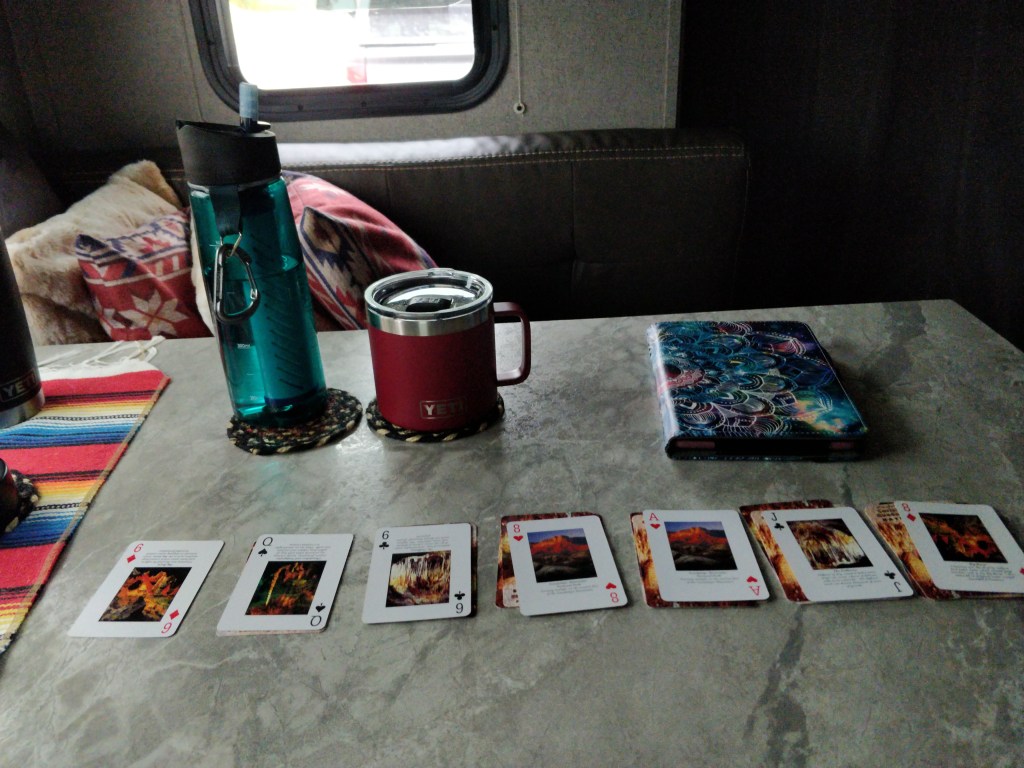
Back at Lil’ Sebastian…
The rain intensified throughout the rest of the day until it crescendoed into a magnificent thunder and lighting storm. Unfamiliar with the “monsoon” season, we were surprised to experience rain in the desert. This weather phenomena occurs July through September throughout the southwestern states and provides much needed water to the parched places.
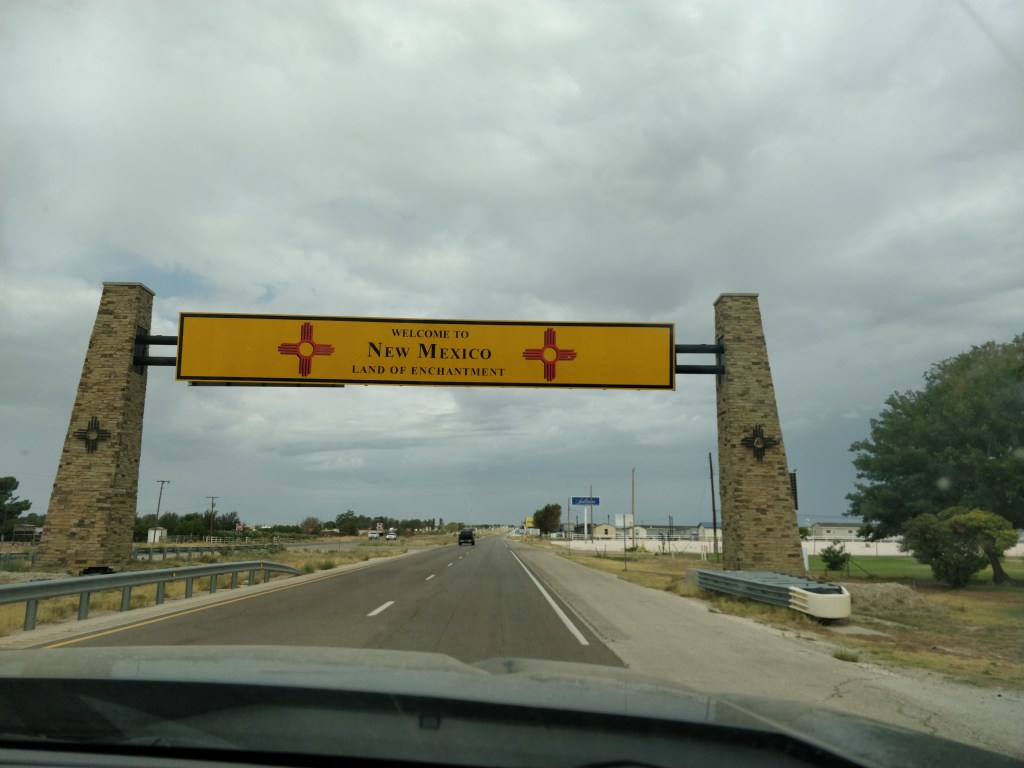
The next morning it was time to bid a final goodbye to Texas and head into the Land of Enchantment.
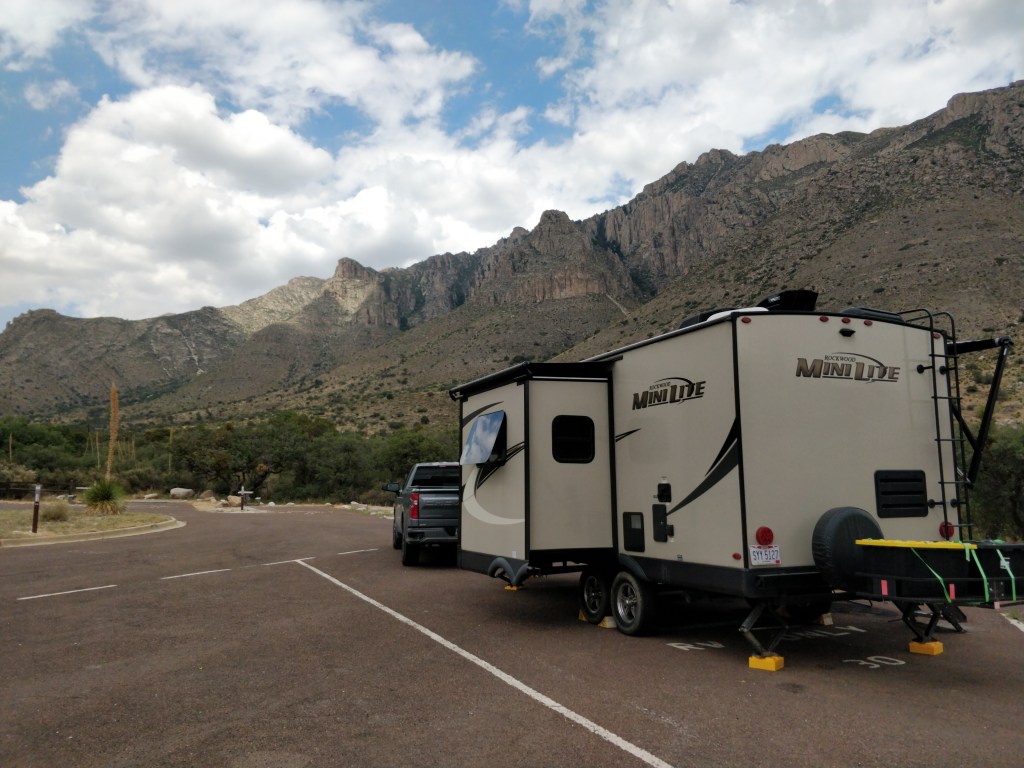
Campground Review: Pine Spring Campground
We stayed in the RV section of the Pine Spring Campground located near several trailheads as well as the Visitor Center at Guadalupe Mountains National Park. This is a dry camping surface lot with numbered parking spaces which are only available to reserve on-line. There is a separate section for day hiker parking which was full by morning. Potable water is available to fill water bottles only. Make sure to fill the RV fresh water tank before arriving at the campground. Restroom facilities had running water and flush toilets, but were not serviced or cleaned during our three day stay. A dish washing station is located outside the comfort station. There is no dump station. It is important to note that the max length of the sites listed on-line includes RV plus tow vehicle. Only a few could accommodate our truck and trailer together. There was no campground host on duty during our stay. The campground is basically a parking lot with a fantastic view of the mountains.
Thank you for visiting TheirRVtravels! We’re so glad to have you along for the ride!
Please take a moment to subscribe and you’ll receive a notice each time a new post is published.


Next up….New Mexico – the Land of Enchantment
 Their RV Travels